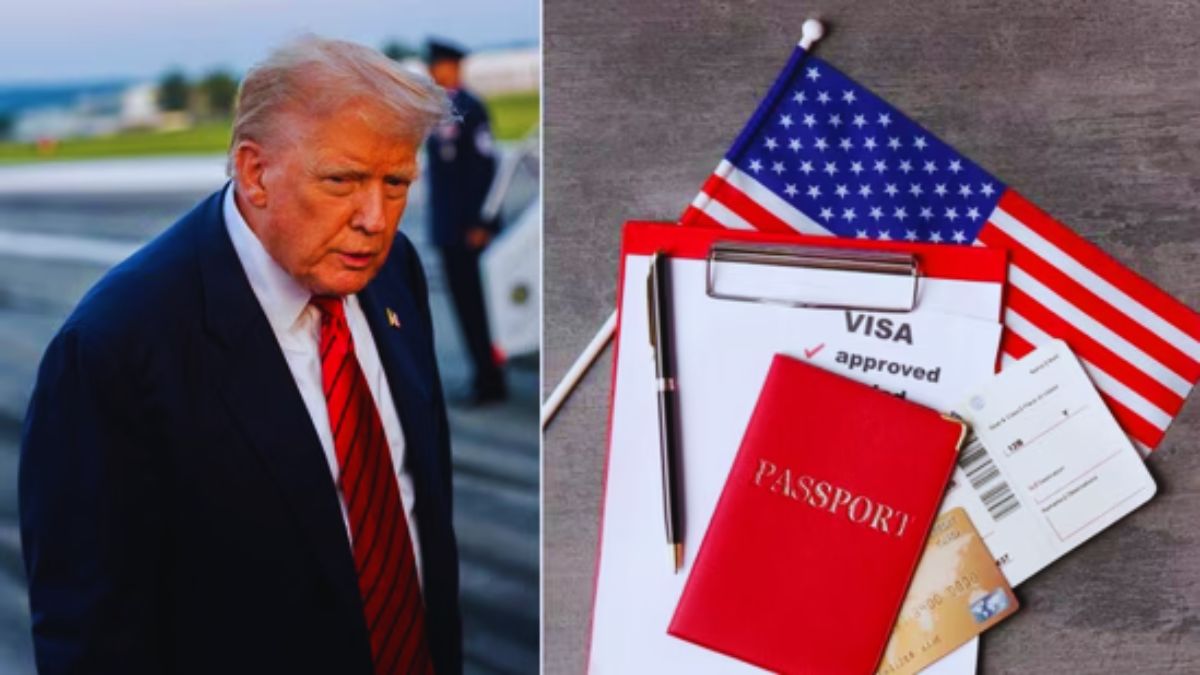
The United States Citizenship and Immigration Services (USCIS) is set to undergo a historic transformation as it expands its law enforcement authority under a new Department of Homeland Security (DHS) rule. The rule, signed off by DHS Secretary Kristi Noem, officially delegates certain federal enforcement powers to USCIS, allowing the agency to play a much more direct role in tackling immigration-related crimes, fraud, and threats to national security.
USCIS Gains Law Enforcement Authority
According to the DHS statement, USCIS ‘special agents’ will now be empowered to investigate immigration crimes, make arrests, execute search and arrest warrants, and carry firearms. These responsibilities, previously limited to agencies like Immigration and Customs Enforcement (ICE) and Homeland Security Investigations (HSI), will now extend to USCIS.
The new powers will enable USCIS to more effectively pursue its mission of protecting national security, preventing immigration fraud, and safeguarding public safety. By giving the agency direct enforcement capabilities, DHS expects USCIS to serve as a strong support system for ICE, HSI, and Enforcement and Removal Operations (ERO). This will allow those agencies to focus more heavily on their operations against transnational crime and the detention and removal of undocumented migrants.
USCIS Director Joseph B. Edlow emphasized the importance of this development, calling it a defining moment for the agency. He further described the move as historic, saying it will strengthen DHS’s ability to address immigration crimes, combat fraud, and enhance coordination with federal law enforcement partners, including the Joint Terrorism Task Force.
Recruitment and Training of Special Agents
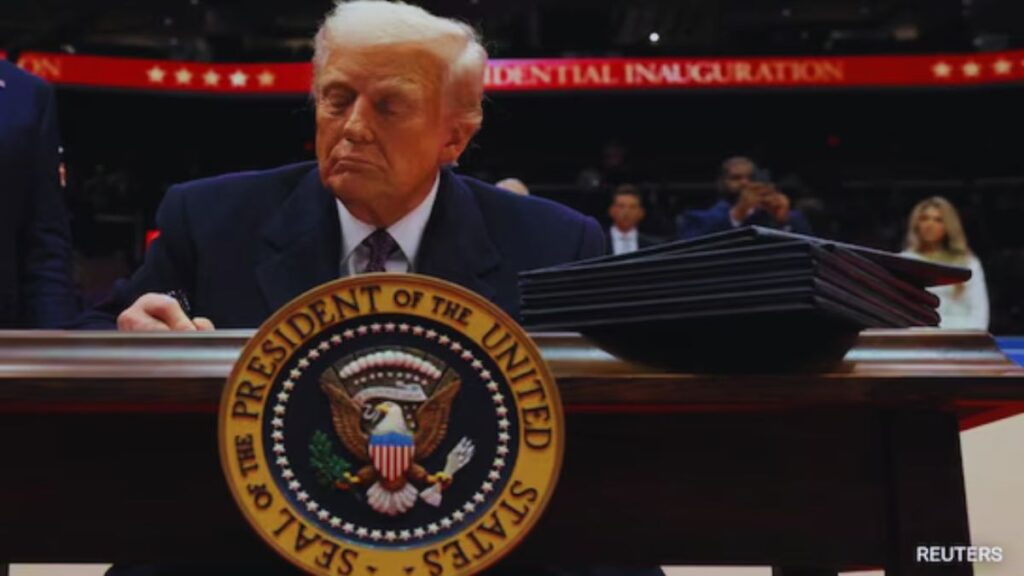
The USCIS confirmed that it will begin recruiting and training new special agents who will carry out these additional responsibilities. These agents will be trained to handle civil and criminal violations of immigration laws and may also be authorized to order expedited removals.
The final rule is scheduled to take effect 30 days from its publication, beginning September 4.
Crackdown on Anti-American Ideologies
This expansion of USCIS authority follows recent measures introduced by the Trump administration to tighten immigration controls. Just weeks ago, USCIS issued a policy directive requiring immigration officials to weigh applicants’ ideological positions in visa and naturalization cases.
The agency’s policy manual now identifies “anti-American activity” as a major negative factor in discretionary immigration decisions. According to USCIS, applicants who support anti-American ideologies, antisemitic terrorism, or totalitarian systems of government may face denial of immigration benefits.
While the announcement did not provide a precise definition of “anti-Americanism,” it cited federal law provisions that bar naturalization for individuals opposed to U.S. law or government, those who promote violent opposition to the administration, or supporters of communism and totalitarian regimes.
A Broader Immigration Crackdown
Since taking office, President Trump has steadily expanded enforcement actions against illegal immigration and tightened immigration vetting standards. The latest DHS rule granting USCIS expanded law enforcement authority represents another step in this broader agenda. As the rule takes effect in September, all eyes will be on USCIS as it transitions from a primarily administrative immigration agency into one with robust law enforcement powers.

Helene Elliott is the Lead Science & Space Reporter at News Raise. She reports on aerospace missions, astrophysics discoveries, quantum research, and environmental technology.