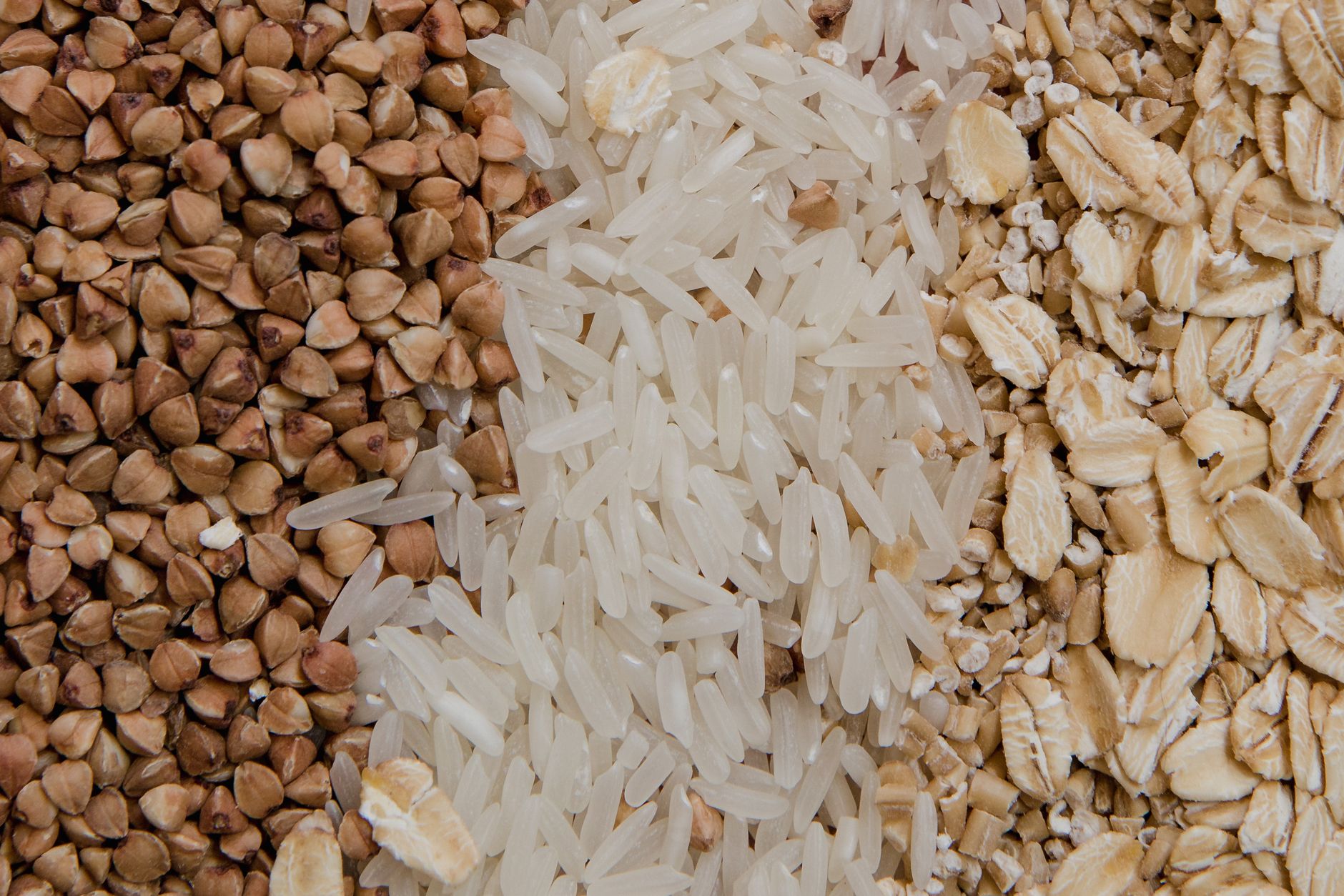
Eating whole grains has long been associated with lower risk of heart disease, high blood pressure, high cholesterol and type 2 diabetes. A fresh meta‑analysis published Tuesday in the European Heart Journal provides a closer look at how those grains work at a molecular level and quantifies the amount needed to see measurable effects.
Key findings from the analysis
The researchers examined dozens of studies and concluded that benefits begin at roughly 90 grams per day – about three standard servings. That amount can be met with two slices of whole‑wheat bread and a bowl of oatmeal. Consuming four to six servings each day, the authors say, yields even stronger results.
Participants who ate three to six servings of whole grains for periods ranging from two weeks to two years showed modest improvements across about a dozen health markers. Notable changes included lower total cholesterol, reduced low‑density lipoprotein (LDL) cholesterol, modest drops in blood pressure, and slight reductions in body weight and waist circumference. While each individual change was small, the combined effect supports the protective role of whole grains observed in larger population studies.
Dagfinn Aune, a co‑author of the meta‑analysis and a research fellow in epidemiology and biostatistics at Imperial College London’s School of Public Health, described the findings as indicating a “likely causal effect” that could translate into a reduced risk of cardiovascular disease.
Expert commentary on practical impact
Nutrition professor Alice Lichtenstein of the Friedman School of Nutrition Science and Policy at Tufts University cautioned that a single dietary swap is unlikely to prevent heart disease on its own. “If you eat a cinnamon bun made of whole grain, as opposed to a cinnamon bun made with refined grain, I’m not sure you’re going to see a benefit,” she told CNN. Lichtenstein also warned that simply adding more carbohydrates to reach a whole‑grain target could lead to unwanted weight gain.
Lichtenstein, who was not involved in the new meta‑analysis but leads the American Heart Association’s dietary guidelines, emphasized that the AHA recommends whole‑grain foods without specifying an exact daily amount. “There’s no one amount that’s clearly most effective or that is right for every person’s body, genetics and lifestyle,” she said, noting the organization’s focus on overall dietary patterns rather than a single “magic‑bullet” number.
How to meet whole‑grain recommendations
Federal Dietary Guidelines for Americans suggest two to four servings of whole grains per day, yet most U.S. adults fall short of that target. A serving can be a single slice of whole‑wheat bread or half a cup of cooked oats, brown rice or quinoa. Lichtenstein recommends a pragmatic approach: replace refined‑grain items with whole‑grain versions as pantry staples run low.
She also reminded shoppers to read ingredient lists carefully. Products labeled “multigrain” or “made with whole grain” may still be primarily refined flour. “The first ingredient should be a whole grain,” Lichtenstein advised, adding that items failing this test should stay on the shelf.
Beyond grains, the latest dietary guidelines stress a varied intake of vegetables and fruits while limiting saturated fat, added sugars, salt, ultra‑processed foods and alcohol. For those seeking a concrete starting point, swapping three daily servings of refined grains for whole‑grain equivalents aligns with both the new research and existing public‑health recommendations.
While whole grains alone are not a cure‑all, the growing body of evidence suggests that incorporating three to six servings each day can contribute to modest improvements in cardiovascular and metabolic health, supporting broader efforts to reduce chronic disease risk.

Steve Lopez is a Senior Editorial Columnist and Health & Public Policy reporter for News Raise. Steve focuses on healthcare advancements, medical technologies, and public health policies.