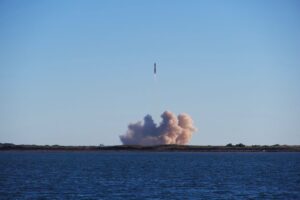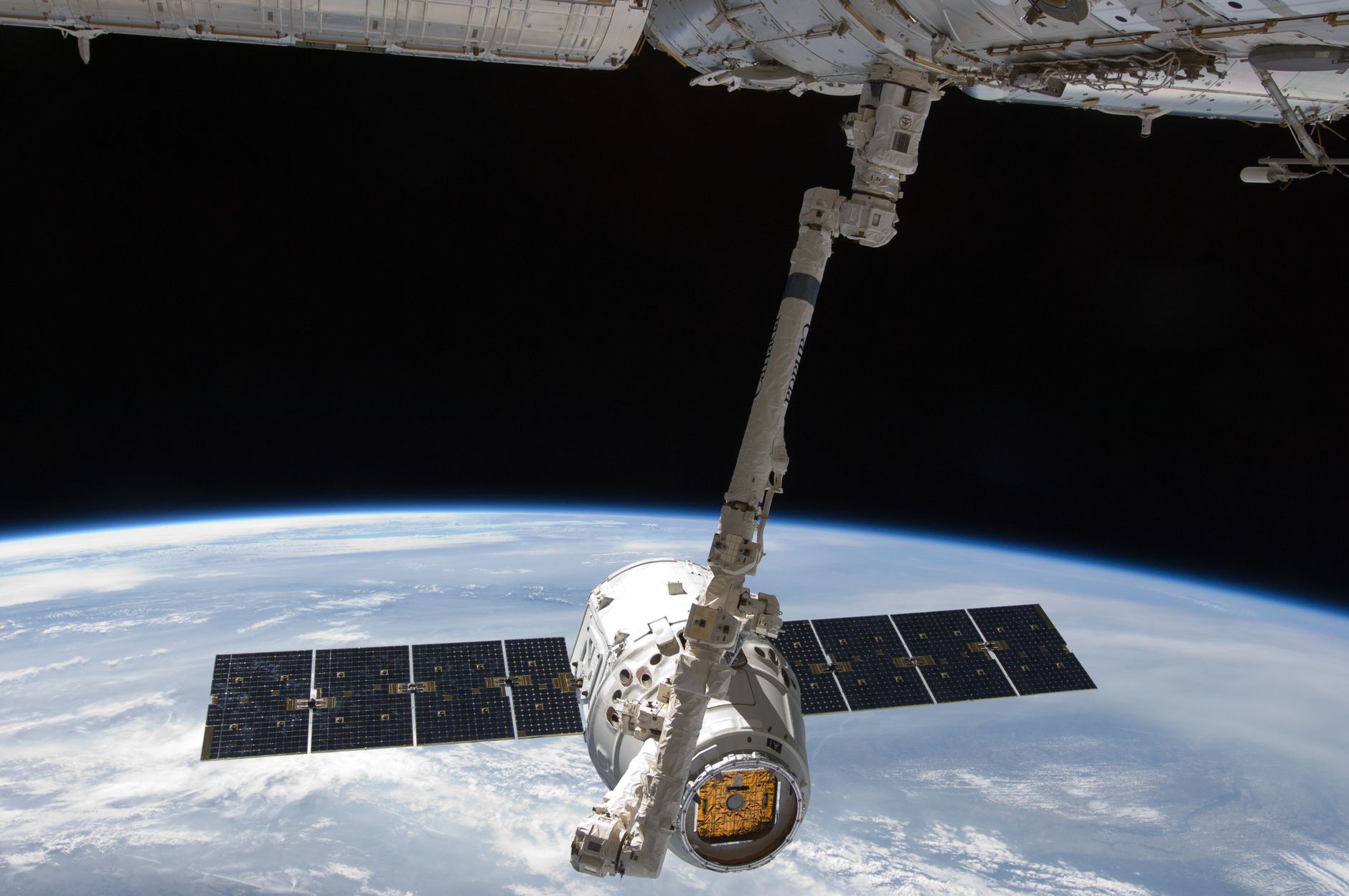
SpaceX launched the Crew‑13 mission from Cape Canaveral on Thursday at 11:10 a.m. ET (15:10 GMT), delivering four astronauts to the International Space Station in a record‑breaking seven‑hour‑fifty‑five‑minute flight. The Dragon capsule, nicknamed “Grace,” docked with the station after the fastest U.S. orbital transit ever recorded, eclipsing the more than 30‑hour journey of the previous American‑launched crew.
Record‑breaking flight details
The launch followed a three‑week postponement needed to repair a leaking fuel system on the Dragon vehicle. Thick cloud cover threatened the countdown, but the weather cleared sufficiently to allow a safe liftoff. Once in orbit, the spacecraft traveled at roughly 17,500 mph (28,100 km/h) as it approached the ISS, gliding into a pressurized vestibule where the crew entered the laboratory.
NASA television broadcast the docking, showing the capsule’s gentle approach to the stationary station. The rapid transit set a new benchmark for United States‑based spaceflight, surpassing the 30‑plus hour travel time of the last crew launched from American soil.
Crew composition and historic milestones
The mission was commanded by astronaut Jessica Watkins, who became the first Black woman to lead a crew to orbit. Watkins, a geologist who previously contributed to the Mars Curiosity rover program, is on her second ISS stay after a lengthy mission in 2022. Her fellow crew members included U.S. astronaut Luke Delaney, a retired Marine; Canadian astronaut Joshua Kutryk, a colonel in the Royal Canadian Air Force; and Russian astronaut Sergey Teteryatnikov, a former submariner.
All four are newcomers to space, and they will replace the four astronauts who have been aboard the station since February. The six‑month expedition will see Kutryk’s wife, Heather, give birth to their third child in late November, making Kutryk the fourth man to become a father while in orbit. NASA manager Dana Weigel said the agency would keep him connected to his family, and the Canadian Space Agency pledged additional support.
In a live interview, Watkins described the arrival as “truly a special place” and reflected on the irony of a short journey following a long preparation period. She also thanked the team for “an amazing ride.” The crew’s mission patch, designated Crew‑13, pays homage to Apollo 13, and the astronauts traveled to the launch pad in black Teslas bearing the slogan “Lucky 13.” They also carried a crocheted golden dragon named Lucky with a four‑leaf clover, a personal talisman they joked added extra luck.
Broader launch activity and context
Three hours after the Crew‑13 liftoff, SpaceX launched a Falcon 9 from California carrying more than 100 mini‑satellites. Later that night, another Falcon lift‑off from Florida placed a classified national‑reconnaissance payload into orbit. These missions occurred during the same week that SpaceX’s Starship vehicle achieved its first orbital flight, underscoring an especially active period for the company.
NASA’s history of supporting families in space was highlighted by references to past events, such as the 2004 radio link that connected astronaut Mike Fincke with his wife’s delivery room, and the 2009 call‑in by future Artemis III commander Randy Bresnik to his wife’s hospital. The Crew‑13 mission adds a new chapter to that legacy, combining a speed record with a landmark first for representation in space leadership.

Norman Pearlstine is the Executive Editor and Co-Founder at News Raise. With over two decades of experience across financial journalism, corporate governance, and market analysis, Norman leads the editorial direction and ensures strict adherence to journalistic accuracy and ethics.