A new population‑genetics study published in the British Journal of Psychiatry suggests that roughly one‑quarter of people with severe depression exhibit a distinct subtype driven by disruptions to the body’s internal clock. Researchers examined 11,380 individuals of European ancestry diagnosed with major depressive disorder and identified 2,604 participants who met at least three of six proposed criteria for what the authors term “circadian depression.”
Study design and core findings
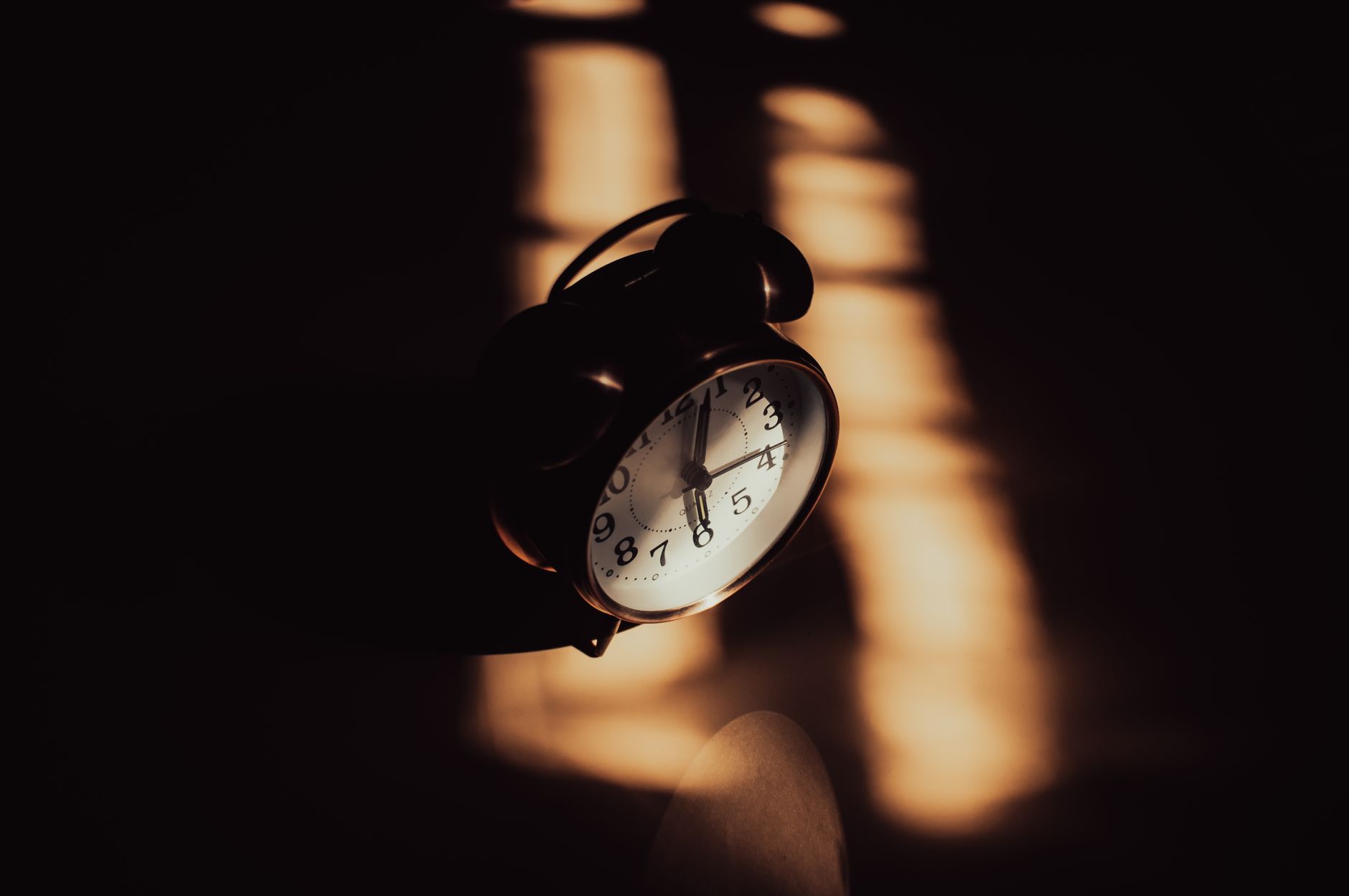
The investigation defined circadian depression through a combination of symptoms that reflect misaligned sleep–wake patterns. The six criteria included excessive daytime sleepiness, difficulty waking in the morning, a preference for staying up late, pronounced seasonality (mood changes linked to daylight length), delayed sleep onset, and “social jet lag,” which describes a mismatch between a person’s biological clock and their social schedule. Meeting three or more of these indicators classified a participant as having the circadian subtype.
Individuals identified with circadian depression tended to report more severe depressive symptoms that began at a younger age compared with those whose depression did not fit the pattern. The subgroup was also more likely to be female and showed a reduced response to conventional antidepressant medications. The authors note that up to 68% of patients with depression do not experience symptom improvement after standard pharmacological treatment, underscoring the potential relevance of these findings.
Genetic and metabolic associations
Beyond symptom profiling, the study uncovered genetic links that differentiate circadian depression from other forms of mood disorder. Participants with the circadian pattern displayed higher polygenic risk scores for attention‑deficit/hyperactivity disorder (ADHD) as well as for broader mood conditions such as anxiety and major depressive disorder. Co‑author Emiliana Tonini, a circadian researcher at the University of Sydney, suggested that these genetic overlaps may make individuals more susceptible to mood disturbances triggered by disruptions in their sleep‑wake cycle, such as after daylight‑saving time changes or the arrival of a newborn.
Metabolic factors also emerged as significant. The research team reported an increased risk of systemic inflammation and disturbed metabolism among those classified with circadian depression. Jacob Crouse, also a circadian researcher at the University of Sydney, explained that metabolic dysfunction could influence mood, energy levels, and sleep quality, creating a feedback loop that exacerbates depressive symptoms.
Clinical implications and next steps
While the findings add a layer of nuance to the understanding of depression, the researchers caution that the evidence remains preliminary. “It’s a really useful contribution to the science of understanding depression,” said clinical psychiatrist Colleen Loo of the University of New South Wales. She emphasized that further studies are required before circadian depression can be formally recognized as a distinct diagnostic category or before treatment guidelines are altered.
Nonetheless, the authors hope that recognizing a circadian component could guide clinicians toward more targeted interventions. For example, therapies that aim to realign the body’s internal clock—such as light therapy, chronotherapy, or lifestyle adjustments to regularize sleep patterns—might prove more effective for this subgroup than standard antidepressants alone.
The study underscores the heterogeneity of major depressive disorder and highlights the need for personalized approaches that consider underlying biological mechanisms. As research continues to unravel the interplay between genetics, metabolism, and circadian biology, clinicians may eventually have a broader toolkit for addressing the subset of patients whose depression is closely tied to their body clock.

Steve Lopez is a Senior Editorial Columnist and Health & Public Policy reporter for News Raise. Steve focuses on healthcare advancements, medical technologies, and public health policies.