The rising tensions between India and Pakistan have now become a major cause of concern for international media too. This terror strike saga, which commenced ever since the Pahalgam terror attacks were conducted by Pakistan extremist militants on April 22, has been rapidly escalating with each hour. The Pahalgam attack witnessed the loss of 26 innocent civilians and left the entire nation fuming with rage to avenge the unexpected wrath caused by terrorists belonging to Jaish-e-Mohammed and Lashkar-e-Taiba organizations.
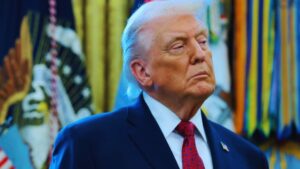
To seek revenge, Indian defence forces carried out Operation Sindoor on May 7, in the wee hours of morning and gave a befitting response to Pakistan’s militants by destroying nine of their terrorist launch pads in Pakistan and Pakistan-Occupied Kashmir (POK) regions, thereby emerging victorious. But as expected, the retaliations from the opposing side began soon after and with more than 48 hours gone by, the armed forces of both countries have been engaged in heavy shelling activity, with continuous artillery and missile firing to curb the rising escalations. As part of its response, India intercepted the incoming drones and missiles and brought down the Airborne Warning and Control System (AWACS) aircraft. As far as the international diplomatic relations for both countries are built, Russia, Isreal and Italy have extended their support to India, Turkey and China have favoured Pakistan in this terror strike so far. The US government, led by President Donald Trump had on May 7 congratulated the Indian Prime Minister, Narendra Modi for the successful operation carried out by Indian’s powerful forces, and had extended his support to his good friend, if the situation arises where things propel further and US intervention is imperative. Trump had earlier weighed in on the crisis, expressed his genuine concern over the hostilities and offered to mediate if needed.
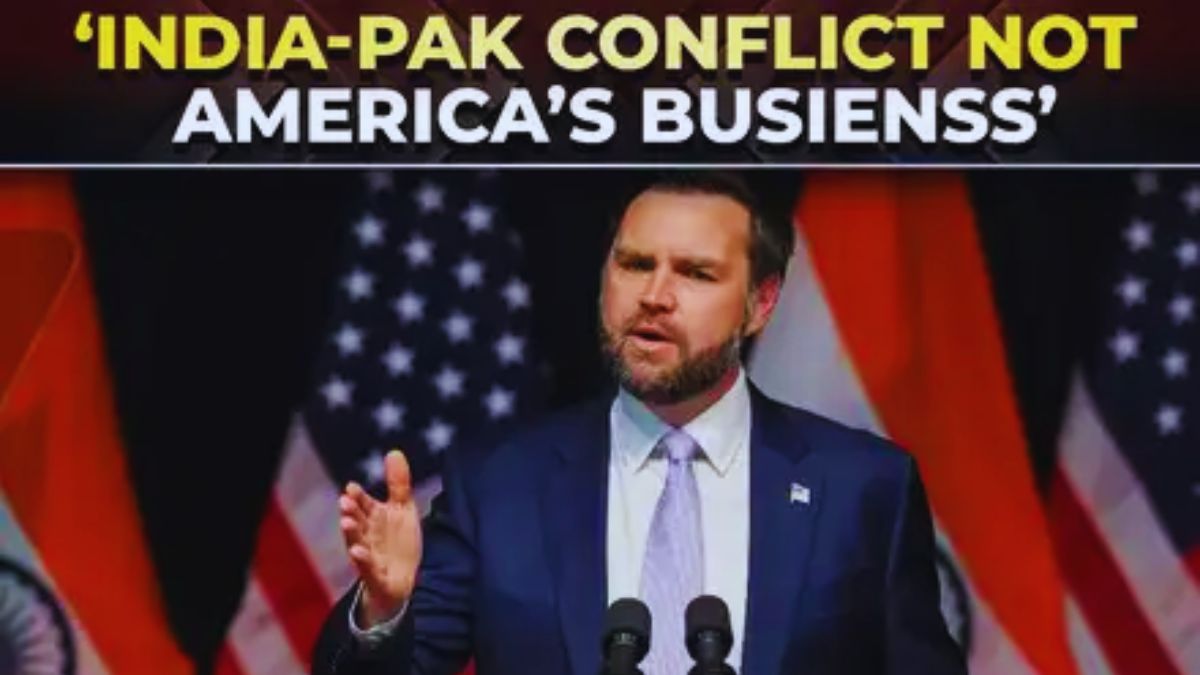
However, by May 8, tables seemed to have turned completely. The US Vice President JD Vance on Thursday ruled out any direct American intervention, stating that the ongoing conflict is “none of America’s business“. In an interview with Fox News, Vance stressed that while the United States would encourage de-escalation through diplomacy, it would not get involved militarily. “What we can do is try to encourage these folks to de-escalate a little bit. But we’re not going to get involved in the middle of a war that’s fundamentally none of our business and has nothing to do with America’s ability to control it,” the Vice President said. Acknowledging the limits of US influence, Vance added, “America can’t tell the Indians to lay down their arms. We can’t tell the Pakistanis to lay down their arms. So, we’re going to continue to pursue this thing through diplomatic channels“. In addition, he expressed concern on the potential for the ongoing conflict to expand and tension to mount increasingly. Soon after Operation Sindoor was launched, some foreign countries issued travel advisories warning their citizens about flight disruptions in India and possible escalation of the situation. The US’ advisory asked its citizens to avoid any plausible travel to the state of Jammu & Kashmir.
As per the latest reports, US Secretary of State, Marco Rubio spoke to India’s Union Foreign Minister S. Jaishankar over a diplomatic call shortly after Pakistan’s overnight drone and missile attacks in Jammu. Rubio expressed and pledged US support for a direct dialogue between the two nations at loggerheads and advocated for a genuine effort to improve communication. The Indian government has so far temporarily shut down approximately 25 airports in the northern and western regions of the country, in order to safeguard the citizens and control the firing activities to avoid any loss of infrastructure, property or person under any circumstances.

Helene Elliott is the Lead Science & Space Reporter at News Raise. She reports on aerospace missions, astrophysics discoveries, quantum research, and environmental technology.