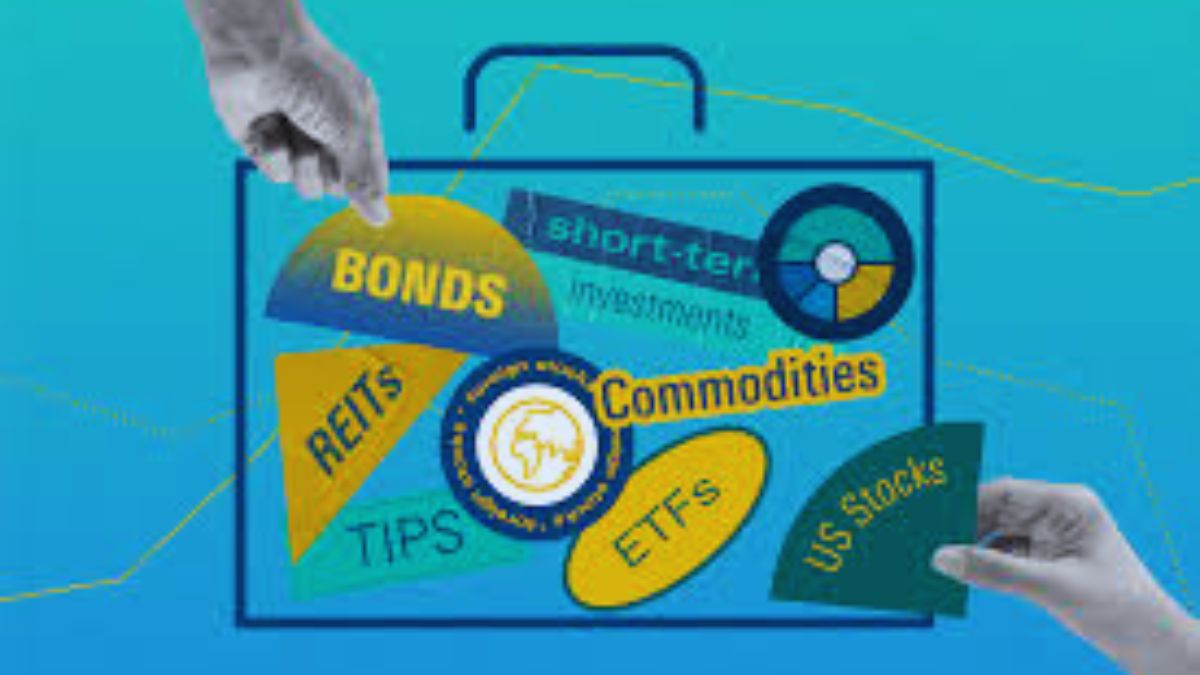
In the unpredictable world of investing, diversification is like wearing a seatbelt. It’s your insurance against the bumps and turns of the market. Just as a seatbelt protects you from unexpected shocks, diversification spreads your investments across different asset classes, reducing your risk and potentially boosting your returns.
Simply put, diversification means “keeping your options open. By distributing your investments among various asset types, industries, and regions, you can lessen the impact of any single investment’s underperformance. This strategy helps balance risk and reward, making your portfolio more resilient to market ups and downs. In this article, we’ll guide you through how to create a diversified investment portfolio that can help you achieve your financial goals with confidence.
“Diversification Strategies”- that will help you to Spread Your Bets:
Diversification is a fundamental investment principle that involves spreading your investments across different asset classes to manage risk and potentially improve returns. Consider the following crucial strategies:

- Mix Up Your Assets
- Stocks: Invest in a mix of sectors (technology, healthcare, finance) and market capitalizations (large-cap, mid-cap, small-cap).
- Bonds: Include government, corporate, and municipal bonds with varying durations and credit qualities.
- Real Estate: Invest directly in property or through Real Estate Investment Trusts (REITs) to add real estate exposure.
- Commodities: Allocate to assets like gold, silver, or oil to hedge against inflation and market volatility.
- Cash and Cash Equivalents: Keep some funds in money market accounts or short-term securities for liquidity and safety.
- Go Global
- Domestic Investments: Invest in companies and assets within your home country.
- International Investments: Include foreign stocks, bonds, and real estate to capture growth in global markets and reduce dependence on any single economy.
- Explore Different Sectors
- Sector Variety: Avoid overexposure to any one industry by investing in diverse sectors such as technology, healthcare, consumer goods, and energy.
- Blend Market Sizes
- Large-Cap Stocks: Include established, well-known companies with large market capitalizations.
- Mid-Cap Stocks: Invest in growing companies with medium-sized market capitalizations.
- Small-Cap Stocks: Consider smaller, potentially high-growth companies with smaller market capitalizations.
- Combine Investment Styles
- Growth vs. Value: Mix growth stocks (expected to grow earnings faster) with value stocks (trading below their intrinsic value) to balance potential returns and risk.
- Use Different Investment Tools
- Individual Securities: Directly invest in stocks, bonds, or real estate.
- Mutual Funds and ETFs: Use funds that pool resources from multiple investors to gain exposure to a wide range of assets.
- Alternative Investments: Explore options like hedge funds, private equity, or venture capital for additional diversification.
- Balance Your Timing
- Short-Term Investments: Include assets that mature or are liquid within a few years.
- Long-Term Investments: Allocate to assets with longer time horizons for potential growth, such as equities or real estate.
- Adjust for Risk
- High-Risk Assets: Allocate a portion to high-risk, high-reward investments.
- Low-Risk Assets: Balance with safer investments like bonds or cash equivalents to reduce overall portfolio risk.
- Revisit and Revise
- Regular Reviews: Periodically assess and adjust your portfolio to maintain your desired asset allocation and risk level.
Can You Have Too Much of a Good Thing?
Diversification is crucial for managing investment risk by spreading your assets across different areas. However, overdiversification can lead to reduced returns and increased complexity. When you hold too many similar investments, their performance can become too correlated, and you might miss out on potential gains. To avoid this, focus on a balanced mix of core assets, use broad-based funds, and regularly review your portfolio. The goal is to achieve effective risk management without overextending, ensuring your investments work together to maximize growth and minimize unnecessary complications.
Tips for Building a Diversified Portfolio:
- Start Small: Begin with a small amount and gradually increase your investments over time.
- Seek Professional Advice: For individualized advice, think about speaking with a financial counsellor.
- Rebalance Regularly: Periodically review your portfolio and adjust your asset allocation as needed.
- Remain Up to Date: Stay informed about current events in the market and the economy.
Remember: Diversification doesn’t guarantee profits or eliminate risk. It’s essential to conduct thorough research and consider your individual circumstances before making investment decisions.






Be First to Comment