Looks like the terror strikes between India and Pakistan show no sign of reduction as yet, as both nations continue their on-ground tussle on Day 4 since Operation Sindoor was launched by India’s defence forces. In an attempt to counter the damage caused in selective Pakistan and PoK regions, the Pak army has now launched Operation Bunyan-al-Marsoos in the early hours of May 10, Saturday.
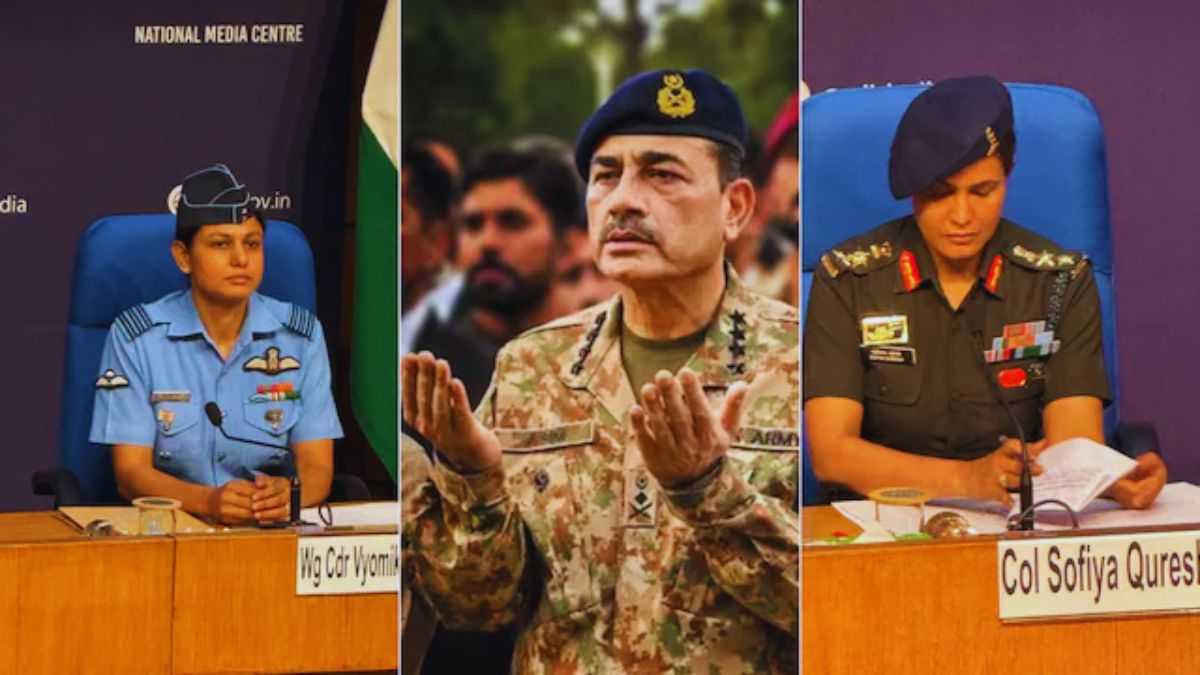
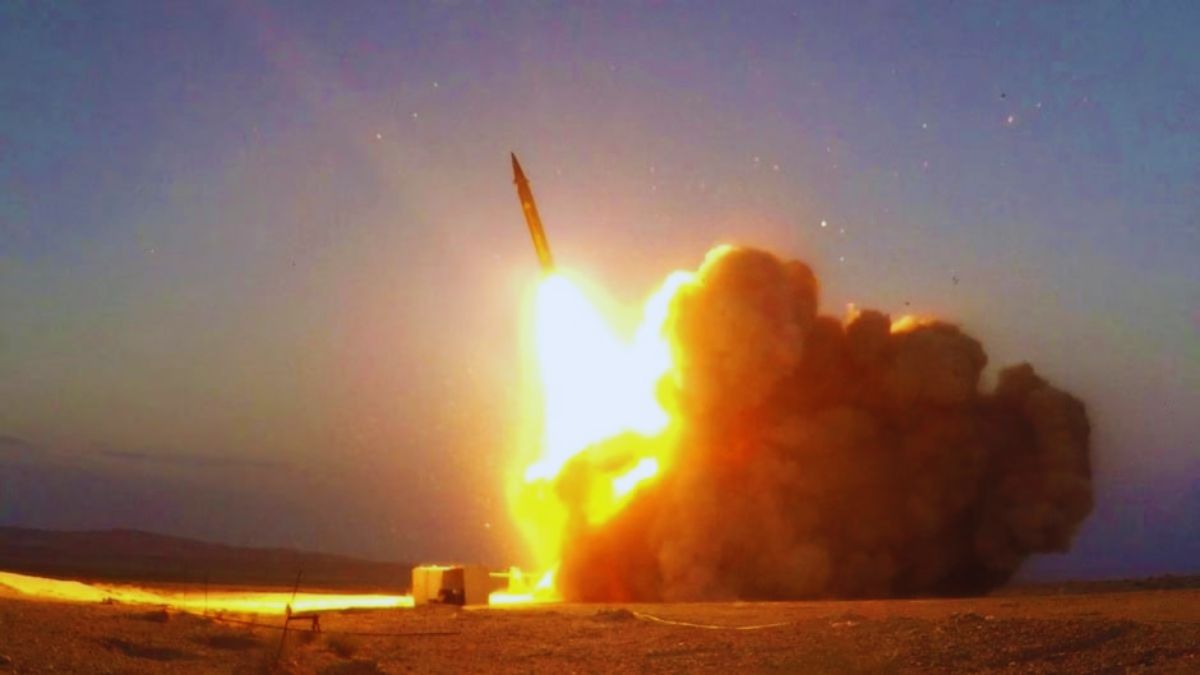
To give some context, this rather unpopular phrase ‘Bunyan-al-Marsoos’ has been picked from a verse in the holy Quran, which equates to ‘a firm and compact structure’. The neighbouring country on Saturday launched pre-dawn strike with drones and missiles, including a Fattah-1 missile on multiple Indian military installations. Most of these drone and missile targets were intercepted and victoriously negated, as per the confirmation given by the Ministry of External Affairs in their official press meet, presided by India’s Foreign Secretary Vikram Misri and the Commanding Officers of Operation Sindoor, Wing Commander Vyomika Singh and Colonel Sophia Qureshi. Pakistan’s uncalled and revengeful actions allegedly a part of its newly launched operation against India, Bunyan al-Marsoos. This strong escalation comes hours after India attacked three specific air bases in Pakistan on the intervening night of Friday-Saturday, Nur Khan in Rawalpindi, Murid in Chakwal and Rafiqui in the Jhang region. The nation’s defence forces were compelled to undertake stringent response measures in light of the preceding strikes carried out by Pakistan using close to 400 drones in as many as 26 different locations belonging to several Indian states – Jammu and Kashmir, Punjab, Rajasthan and Gujarat. These intensified tensions from Pakistan’s army began with retaliatory attacks after accusing India of hitting three of its military locations with missiles fired from fighter jets. However, the latest update from the Ministry of Defence stated that Pak army had carried out attacks on hospital and school infrastructure in the J&K regions of Srinagar, Udhampur and Awantipura – an act quite cowardly and hypocritical on their part, two days after accusing the Indian forces of targeting and killing innocent civilians on their land.
The name of Operation Bunyan al-Marsoos has been picked from a verse in the Quran. An Al Jazeera report stated that ‘Bunyan Marsoos’ is an Arabic phrase, which literally translates to “a structure made of lead”, signifying metaphorically the expression and meaning Pakistan’s army is trying to convey through their carefully deliberated terror strikes. This chosen phrase aims to represent Pakistan as an impregnable wall or structure fighting for a cause. The usage of Quranic verses could possibly lend the attacks a religious connotation, to lure in more Islamic followers and present itself as a victim in the entire situation. Amidst the rising tensions between two nations, Pakistan has been suffering heavy losses in its national treasury and struggling with an apparent economic crisis. In order to control the damaging state of affairs, it sought assistance from the IMF (International Monetary Fund) and in an exclusive high-level board meeting carried out on May 9, their request has been approved. The executive board approved a $1 billion cash tranche for the country locked in a conflict with India over the April 22 Pahalgam terror attack. The latest sanction comes after India had asked the IMF to review its previous and pending loans accorded to Pakistan, citing its continued support to fuel cross-border terrorism. The Union government registered its protest at the board of IMF to review the Extended Fund Facility (EFF) lending programme of USD 1 billion and the fresh Resilience and Sustainability Facility (RSF) lending programme of USD 1.3 billion approved for Pakistan.
Meanwhile, as the northern states of the country are grappling with unstable and volatile situations, the people have shown immense solidarity and resilience by extending their gratitude and appreciation for the courage being displayed by the defence forces in ensuring the protection of its motherland. One to lead by example, the Chandigarh Union Territory administration on May 9 issued a guideline urging the youth population to come forward and volunteer for civil defence enrolment and help foster a culture of readiness and resilience. A large number of citizens came forward to extend their support for emergency preparedness and stand tall with the armed forces in unprecedented times like these.
As the situation is evolving, several nations have urged both countries to de-escalate and resolve the tensions through amicable and diplomatic means, using dialogue and talks as the modus operandi instead of carrying out terror strikes as the solution. While India has pledged its commitment to de-escalate if Pakistan agrees for the same, the actual resolution that will be adopted is to be seen in the coming days.





Be First to Comment