
Looks like 2025 is the year of unprecedented discovery, instability and chaos around the globe. The Israel-Iran conflict is a classic example of it.
The global oil prices jumped on Monday to their highest since January as the United States’ weekend move to join Israel in attacking Iran’s nuclear facilities stoked supply concerns. Brent crude futures were up by $1.52 or 1.97% to $ 78.53 a barrel. The rise in prices came after U.S. President Donald Trump said he had “obliterated” Iran’s main nuclear sites in strikes over the weekend, joining an Israeli assault in an escalation of conflict in the Middle East as Tehran vowed to defend itself.
Iran is OPEC’s (Organization of the Petroleum Exporting Countries) third-largest crude oil producer. Market participants expect further price gains amid mounting fears that an Iranian retaliation may include a closure of the Strait of Hormuz, through which roughly a fifth of global crude supply flows. Amidst the increasing geopolitical tension, the situation serves as the ideal opportunity for Brent crude prices, which serves as global benchmark, to elevate higher and potentially spiral towards $100 per barrel in the coming days.
The Iranian parliament has as per latest reports approved a measure to close the Strait of Hormuz. Iran has in the past threatened to close it but has never followed through. With the tensions between two raging Middle Eastern regions rising, the risks of damage to oil infrastructure have multiplied.
Goldman Sachs in their latest report published on June 22 have stated that Brent could briefly peak at $110 per barrel if oil flows through the critical waterway were reduced to half and remained so for the upcoming months. Ever since the conflict began on June 13, Brent has risen to almost 13% in its pricing.
Several countries including Japan, South Korea and China have called out for de-escalation on this terror conflict, raising concerns over the potential impact of the strikes on each of the country’s trade.
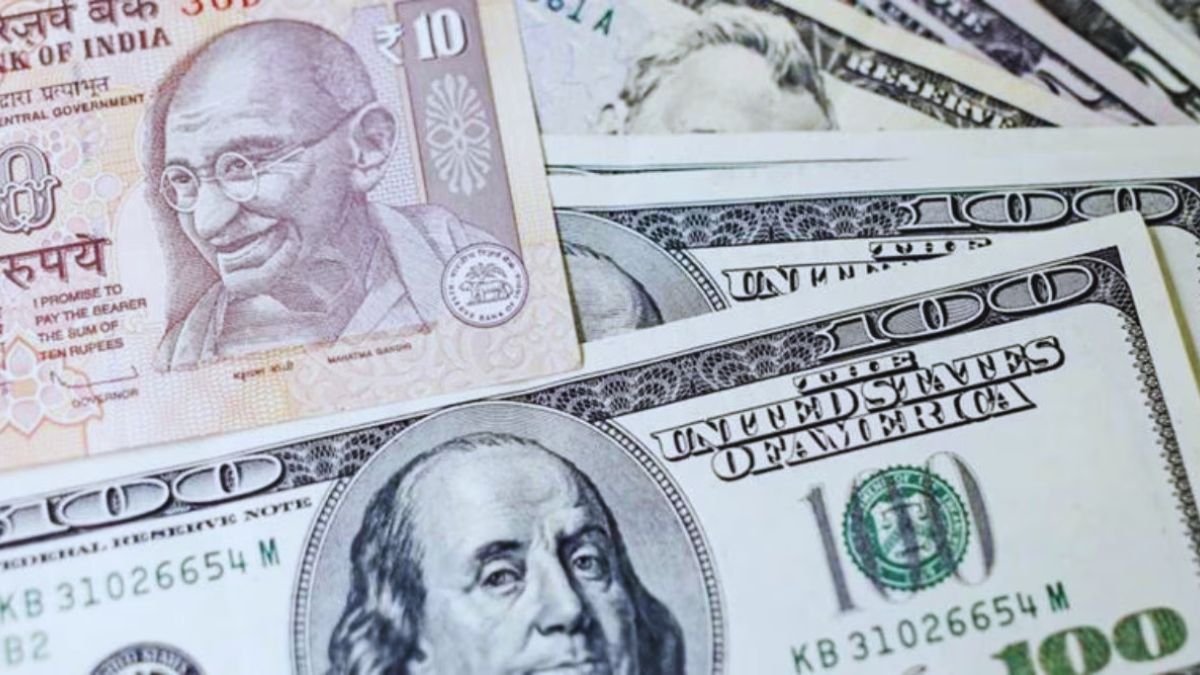
If that’s not all, the US Dollar has strengthened considerably against most other G-10 and Asian currencies in the morning session after the U.S. strikes on Iran’s nuclear sites over the weekend. As a net energy exporter and the leading economy of the world, The US Dollar’s value has surpassed 86.83 mark in Indian rupees, one of the highest conversion figures in recent history.
The dollar strengthened on Monday as investors sought to shield against mounting geopolitical risks following the US strikes on Iran. The US currency gained against the euro and most major foreign-exchange peers in Asia trading. India’s currency will suffer further if the situation worsens, impacting the economy and trade significantly.
It all depends on how the conflict develops, as things are under continual change and development by the hour.

Helene Elliott is the Lead Science & Space Reporter at News Raise. She reports on aerospace missions, astrophysics discoveries, quantum research, and environmental technology.