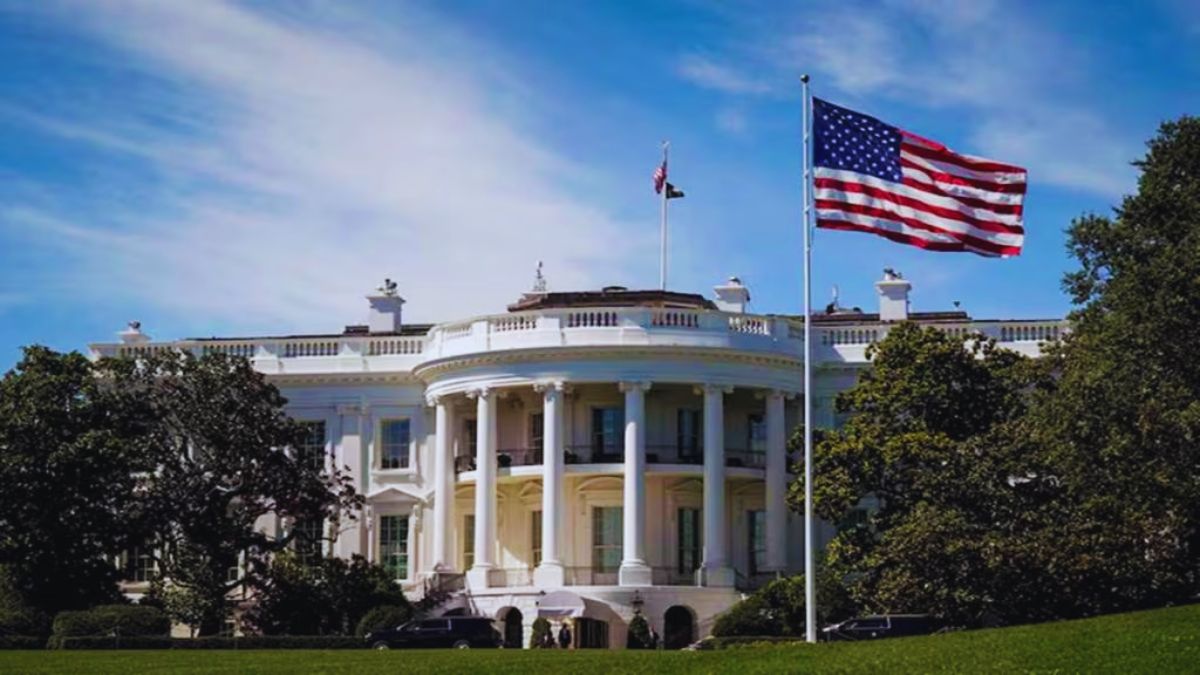
The US government shutdown has entered its second day after the Senate failed to advance a Republican-backed plan to temporarily extend federal funding. The proposal, which had already cleared the House of Representatives, did not secure the 60 votes needed to move forward. Despite support from three Democrats who crossed party lines, the measure still fell short — marking the fourth failed attempt to end the funding crisis.
The funding measure aimed to reopen the government temporarily, while longer-term negotiations continued. However, Senate Democrats largely opposed the plan, calling it another short-term fix that fails to address key issues such as healthcare and Medic-aid funding. Republicans, on the other hand, argued that passing the bill would allow government operations to resume while discussions on broader spending priorities continued.
US President Donald Trump, who has been vocal about the standoff, called the shutdown a “Democrat-forced closure.” Taking to his social media platform Truth Social, Trump urged Republicans to “use this opportunity to clear out dead wood, waste, and fraud,” claiming billions could be saved through cuts.
Trump Targets ‘Democrat Agencies’ for Cuts
Trump also announced plans to meet with Russ Vought, known for his association with Project 2025, to identify which federal agencies, particularly those that he described as “Democrat-controlled” could face reductions or closures. “We will determine which agencies, most of which are a political scam, should be cut, and whether those cuts will be temporary or permanent,” Trump stated.
He went on to call the shutdown an unprecedented opportunity to streamline the government, adding, “The Radical Left Democrats are not stupid people, so maybe this is their way of wanting to, quietly and quickly, make some changes.”
Economic and Political Impact
White House Press Secretary Karoline Leavitt warned that this shutdown could be more damaging than previous ones, suggesting that “mass layoffs are imminent.” Unlike earlier shutdowns that primarily resulted in temporary furloughs, the administration is reportedly preparing for deeper financial cuts, particularly in infrastructure programs located in Democratic strongholds.
What’s Next?
As the standoff continues, hundreds of thousands of federal workers are feeling the pinch — some are working without pay, while others remain furloughed. The Senate is expected to reconvene on Friday to discuss possible next steps, though no new proposals have been confirmed.
At the core of the disagreement remains healthcare funding. Republicans accuse Democrats of pushing for free healthcare for undocumented immigrants — a claim Democrats strongly deny. Meanwhile, Democrats insist that their priorities, including preserving health insurance subsidies and reversing cuts to Medicaid, must be addressed before any short-term funding deal is approved.
With both parties refusing to back down, there’s growing concern that the shutdown could stretch on longer, deepening uncertainty for federal employees and the US economy.

Helene Elliott is the Lead Science & Space Reporter at News Raise. She reports on aerospace missions, astrophysics discoveries, quantum research, and environmental technology.