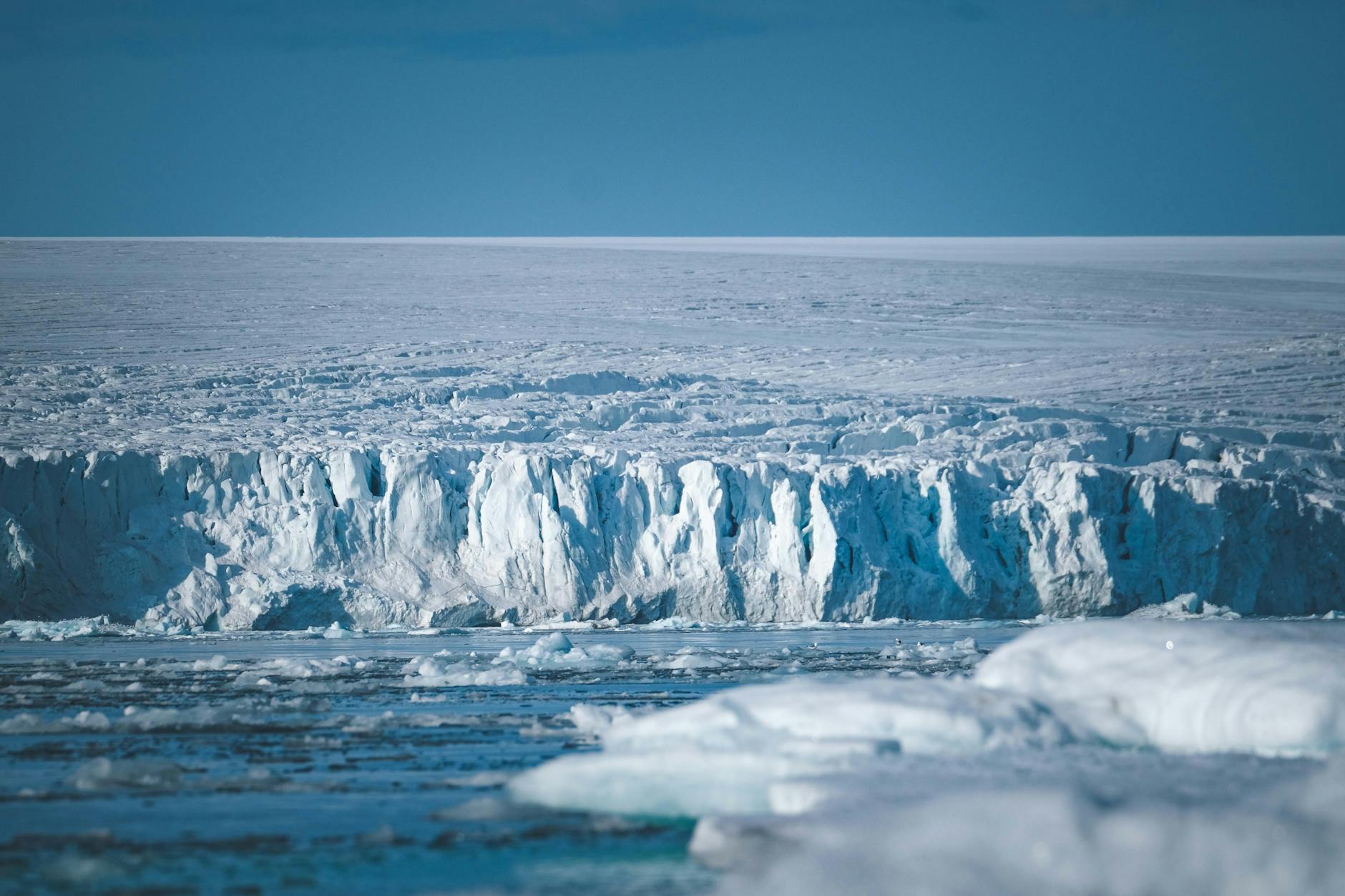
An extensive, fan-shaped geological structure has been discovered hidden beneath the vast ice sheet of East Antarctica. This immense feature, characterized by its unique form, offers new insights into the geological processes that have shaped the continent over geological timescales.
Formation and Characteristics
The subglacial structure is described as a basin province, formed by a process known as rotational extension. This geological mechanism involves the stretching and thinning of the Earth’s crust as it rotates, leading to the formation of large depressions or basins. The fan shape suggests a specific type of tectonic activity, potentially related to the ancient breakup of supercontinents or other large-scale crustal movements in the region.
While the exact age and precise formation mechanisms are subjects of ongoing research, the discovery highlights the dynamic geological history of Antarctica, much of which remains concealed beneath its thick ice cover. The sheer scale of the structure indicates significant geological events occurred in East Antarctica long before the current ice sheets formed.
Implications for Antarctic Research
The identification of such large-scale subglacial features is crucial for understanding the underlying bedrock topography and its influence on ice sheet dynamics. The shape and depth of these basins can affect how ice flows across the continent, potentially influencing glacial melt rates and the stability of the ice sheet in the face of climate change.
Geoscientists utilize various geophysical methods, such as radar and seismic surveys, to peer beneath the ice. These techniques allow them to map the subglacial landscape, revealing mountains, valleys, and basins that have been hidden for millions of years. The discovery of this fan-shaped structure adds another significant piece to the complex puzzle of Antarctica’s hidden geography.
Further studies are expected to focus on refining the mapping of this structure and investigating its relationship with other known geological features in East Antarctica. Understanding these deep subsurface formations is vital not only for geological science but also for predicting how Antarctica’s ice might respond to future environmental changes.

Norman Pearlstine is the Executive Editor and Co-Founder at News Raise. With over two decades of experience across financial journalism, corporate governance, and market analysis, Norman leads the editorial direction and ensures strict adherence to journalistic accuracy and ethics.