NASA’s upcoming SkyFall mission will dispatch a trio of miniature rotorcraft to the Red Planet, each fitted with a flexible antenna that looks like a small cape. The antennae serve as ground‑penetrating radar, enabling the helicopters to look up to five metres below the Martian surface in search of shallow water ice.
Radar‑equipped mini‑helicopters
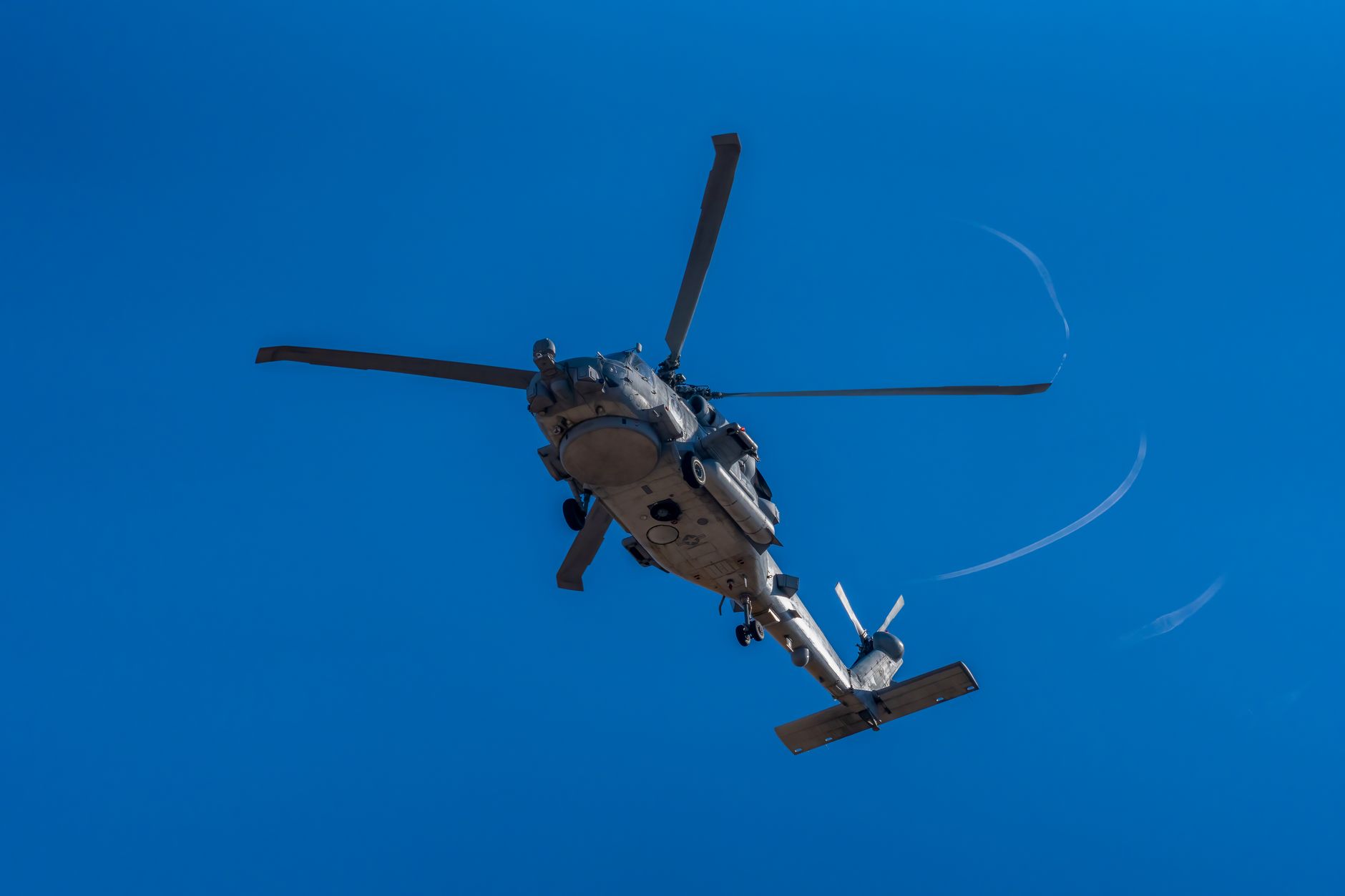
The three SkyFall drones are built on the same basic design as the Ingenuity helicopter that rode to Mars on the Perseverance rover. While Ingenuity, which weighed about 1.8 kg (4 lb) on Earth, demonstrated that powered flight is possible in the thin Martian atmosphere, SkyFall’s craft are intended to do more. Their primary mission is to fly low and slow enough to capture radar reflections from the top few feet of regolith, a zone that orbital radar cannot resolve.
According to Adrian Tang, the lead instrument scientist for the radar at JPL, detecting shallow subsurface ice remotely requires proximity to the ground. By maintaining a low flight path, a SkyFall helicopter can generate radar images that reveal the fine layering where dry soil transitions to ice, allowing scientists to map the extent of these deposits.
Engineering the flexible antenna
The radar system relies on a Vivaldi‑type antenna, a design first introduced in 1978. Each antenna has been miniaturized to fit the small airframe, yet it remains about one‑and‑half times longer than the helicopter’s landing legs, which are 15 cm (6 in) tall. During touchdown, the antenna must bend away from the ground or a rock, then spring back into position for the next flight.
Christine Gebara, the mechanical lead for the radar at JPL, explained that the antenna’s ability to flex repeatedly without permanent deformation is crucial, as the mission expects dozens of flights. To achieve this durability, the team wrapped the antenna in layers of polyester and Vectran—a strong, flexible fabric previously used in the airbags that cushioned the Spirit and Opportunity rovers in 2004. Additional reinforcement comes from flexible fiberglass tape springs and a lightweight internal structure. The complete assembly weighs only 142 g (5 oz).
Testing for Mars
Before the helicopters ever leave Earth, they underwent rigorous trials in JPL’s Environmental Test Laboratory, which simulates extraterrestrial conditions. Engineers repeatedly flexed the antenna, subjected the craft to extreme temperature swings, and verified that radar transmission and reception remained functional throughout.
The antenna survived 200 simulated landings—more than twice the number anticipated for the actual mission—while continuing to operate as designed. Tang called the outcome a “major milestone,” noting that the hardware performed exactly as expected, though further work remains before it is fully flight‑qualified.
NASA aims to launch SkyFall in 2028 aboard the Space Reactor‑1 Freedom, the agency’s first nuclear fission‑powered interplanetary spacecraft. If successful, the mission will provide the first close‑range radar data of Mars’s shallow subsurface, informing future crewed missions about the location and accessibility of water ice for drinking, oxygen production, and fuel generation.

Helene Elliott is the Lead Science & Space Reporter at News Raise. She reports on aerospace missions, astrophysics discoveries, quantum research, and environmental technology.