
Researchers mapped gene activity in over 6.3 million prefrontal cortex cells from 1,500 donors, revealing developmental phases and disease‑related changes that could guide Alzheimer’s research.

Posts published by “Helene Elliott”
Helene Elliott is the Lead Science & Space Reporter at News Raise. She reports on aerospace missions, astrophysics discoveries, quantum research, and environmental technology.

TikTok will pay Alabama at least $100 million and add time‑limits, age‑verification and other safeguards for teenage users, avoiding a trial that could have exposed its safety practices.
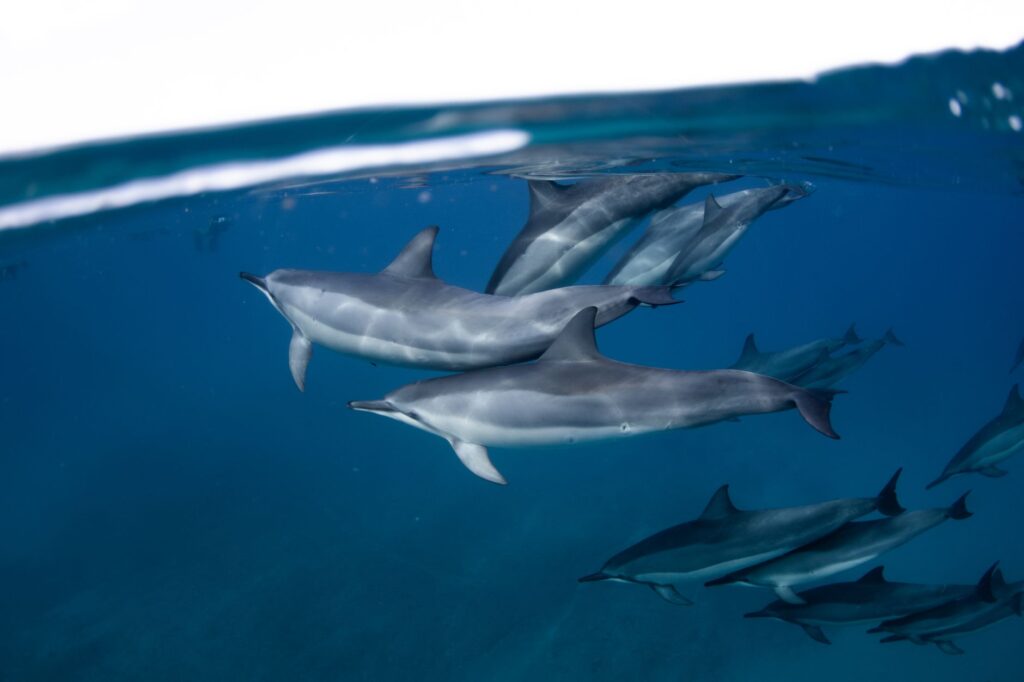
Researchers observed a dolphin named Bubbles repeatedly forcing trevally to regurgitate prey, marking the first recorded case of this kleptoparasitic behavior in a marine mammal.
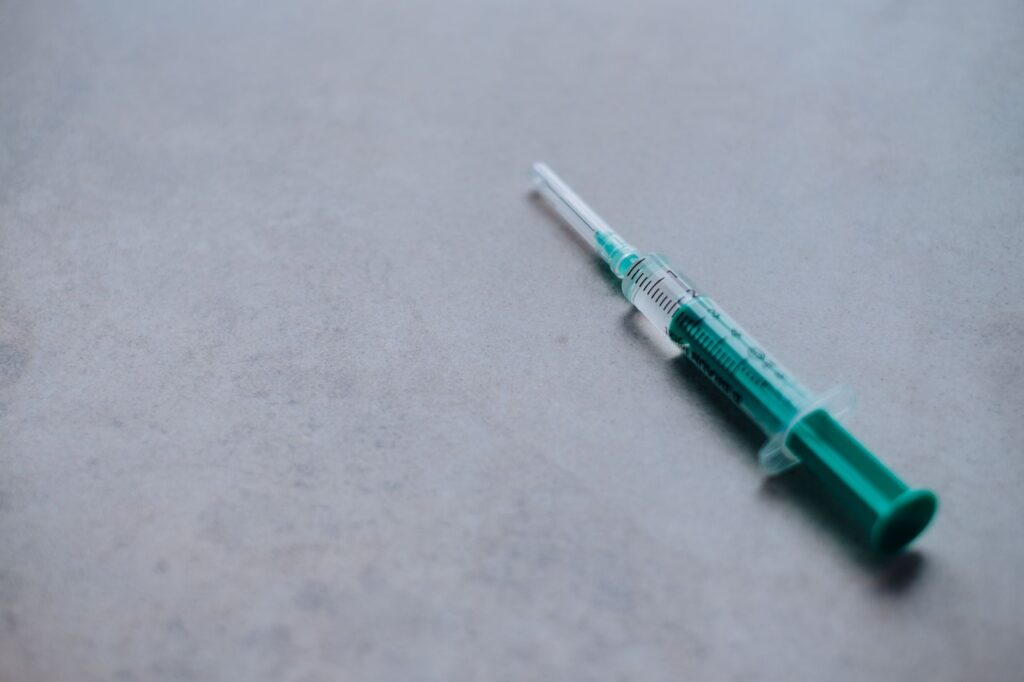
Doctors in Ohio’s Miami Valley are urging people of all ages, especially seniors and immunocompromised adults, to get vaccinated before the flu season peaks in November.
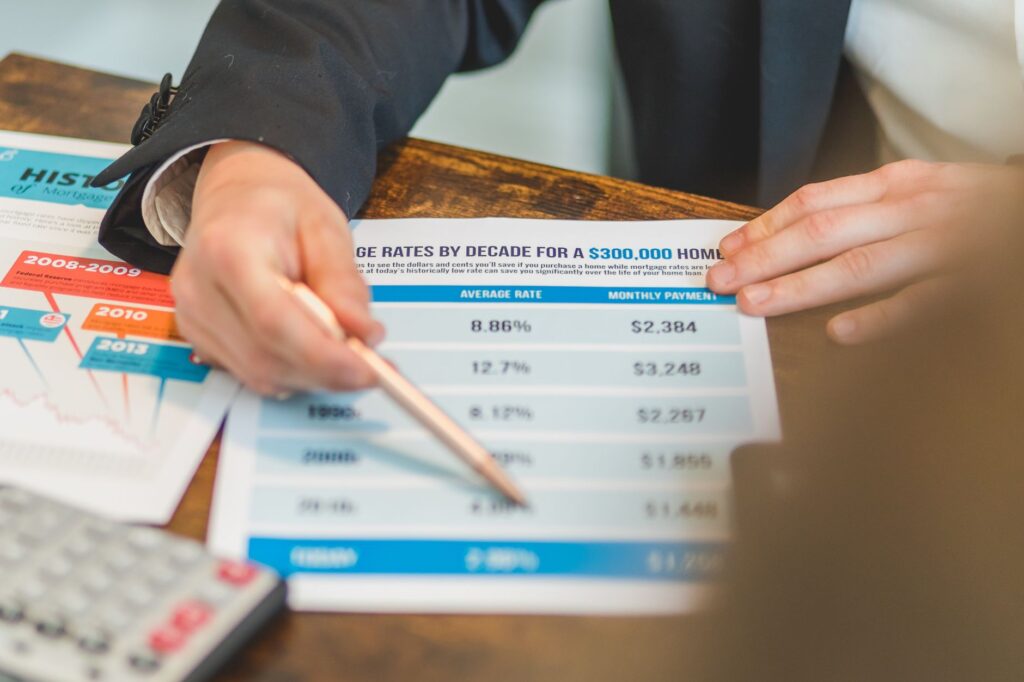
Freddie Mac reports US 30‑year mortgage rates have risen above 7% for the first time since January 2025, intensifying pressure on an already sluggish housing market.
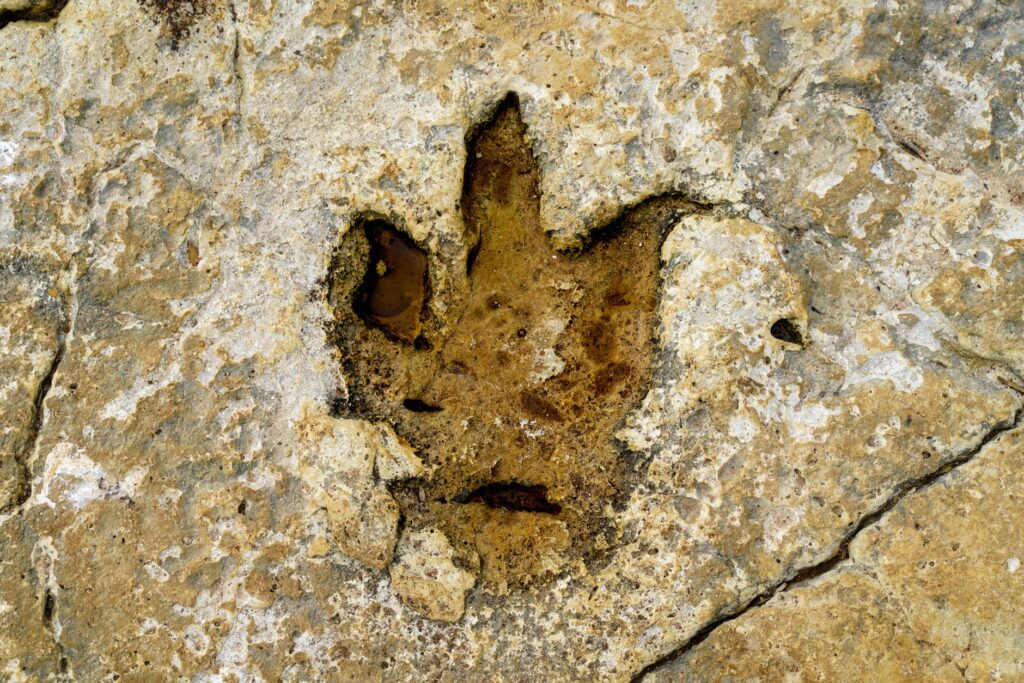
A Colorado high‑school teacher uncovered the first confirmed Tyrannosaurus rex trackway in the Hell Creek Formation, offering new insight into the predator's gait and speed.
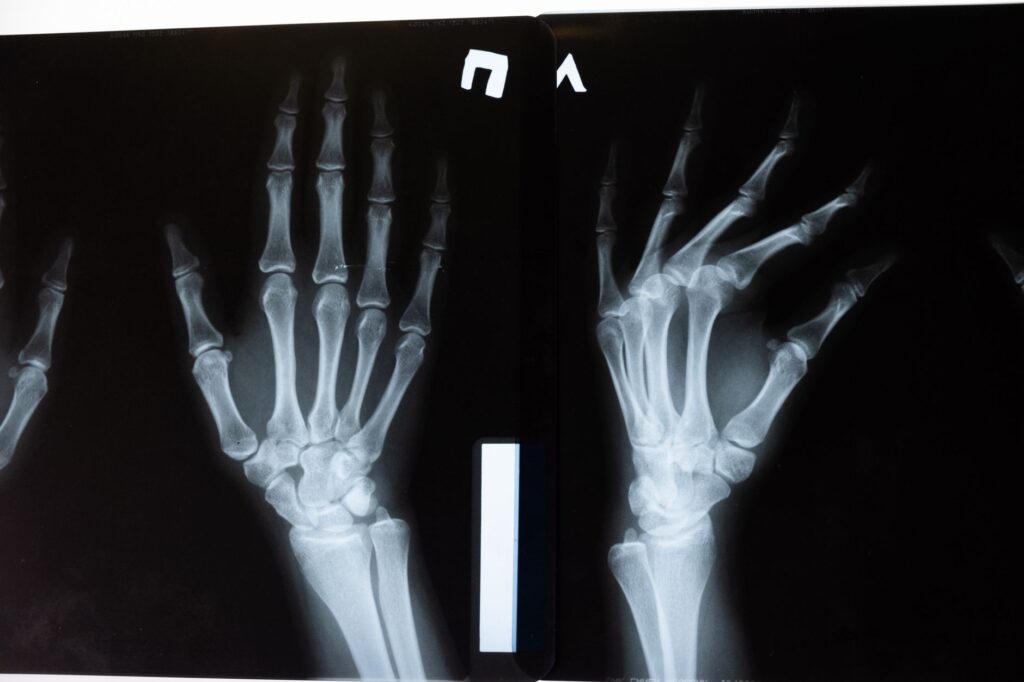
Experts urge women to begin bone density testing at menopause, combine strength training with key micronutrients, and consider hormone therapy to curb osteoporosis risk.

U.S. stock futures were flat Thursday after Treasury yields surged to their highest levels in nearly two decades, prompting a broader market sell‑off and heightened expectations of another Fed rate hike.
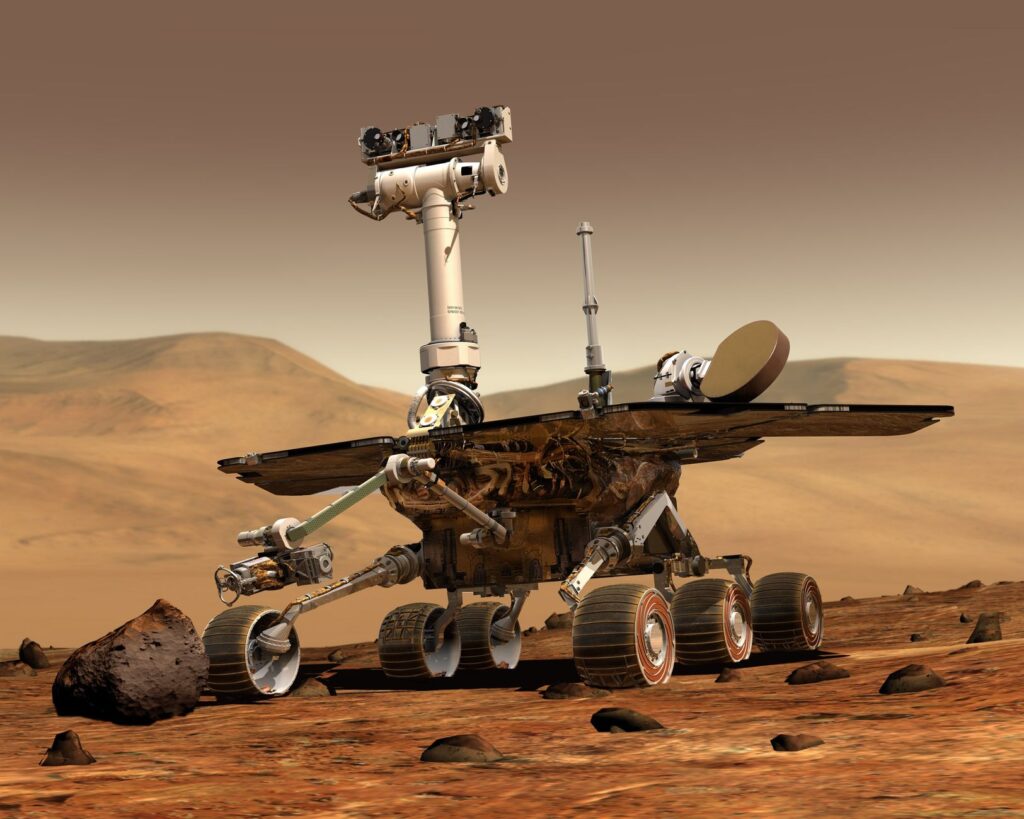
NASA's Perseverance rover uncovered igneous rocks that interacted with water multiple times in Jezero Crater, reshaping ideas about Mars' ancient climate and habitability.

Physicians outline the expected timing of flu, RSV and COVID-19 this fall and winter and stress vaccination and basic hygiene as the best defenses.