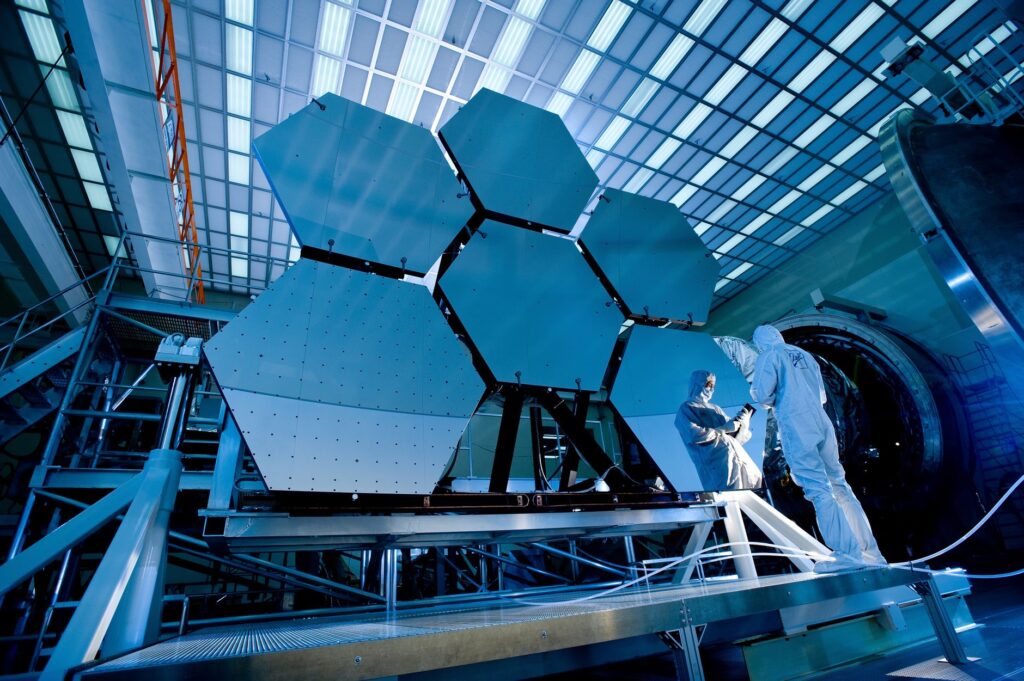
NASA says the Roman Space Telescope’s propellant will support at least 22 years of science, doubling the agency’s original lifetime estimate.
Posts tagged as “Astronomy”
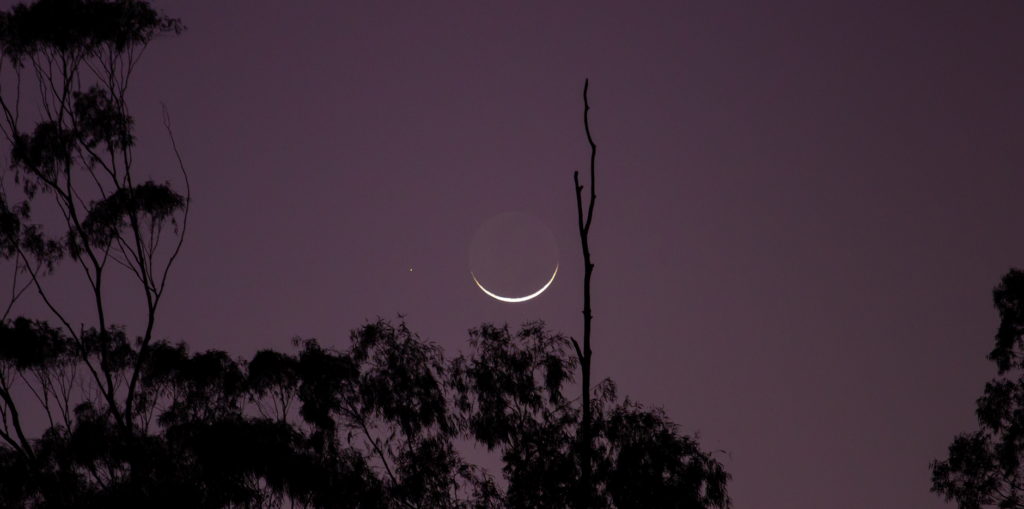
After sunset on Monday, a thin crescent moon will point the way to a brilliant Venus in the western sky, offering a striking view for skywatchers.
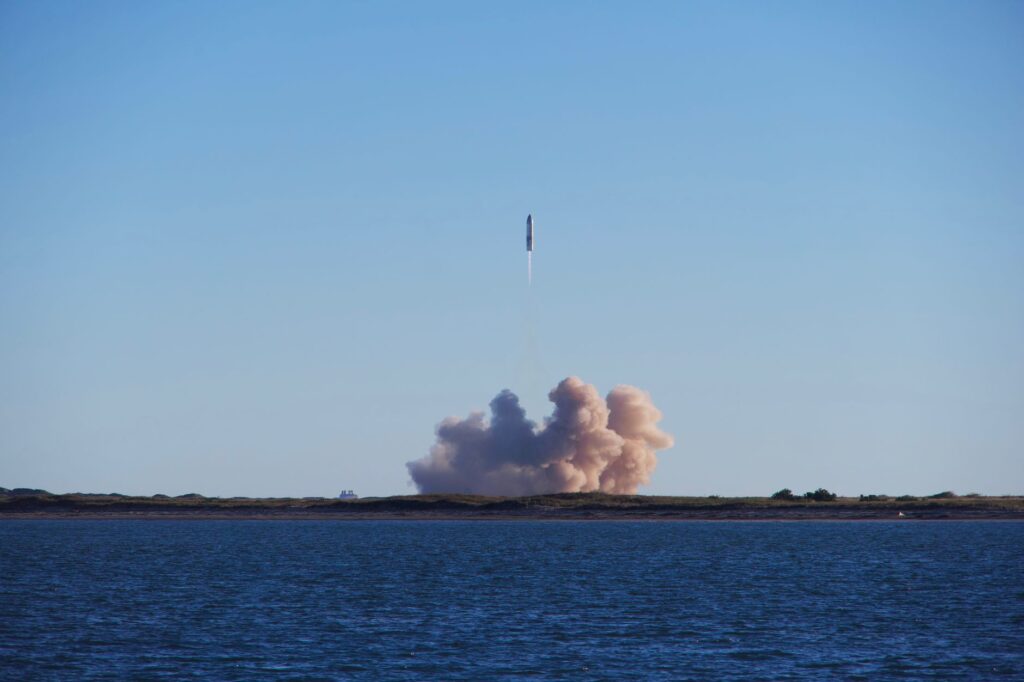
NASA lifted off the $4.3 b Roman Space Telescope on a Falcon Heavy, beginning a three‑month trek to Lagrange Point 2 to map billions of stars, probe dark energy and hunt thousands of new exoplanets.
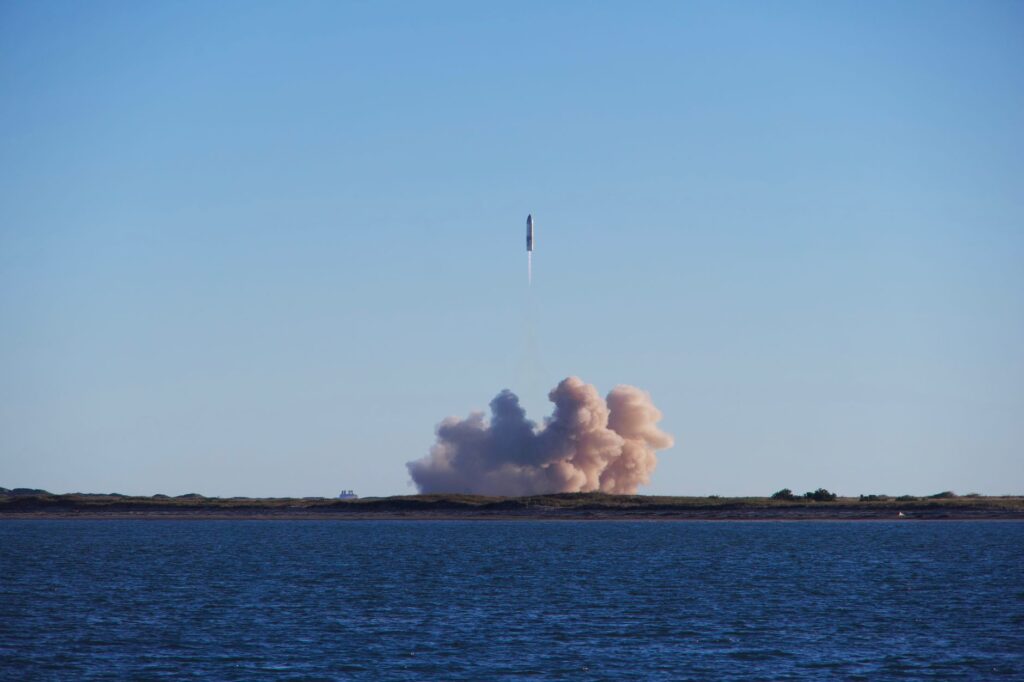
NASA’s next‑generation Nancy Grace Roman telescope lifted off from Florida, promising panoramic surveys that could uncover up to 100,000 new exoplanets and deepen our understanding of dark energy.
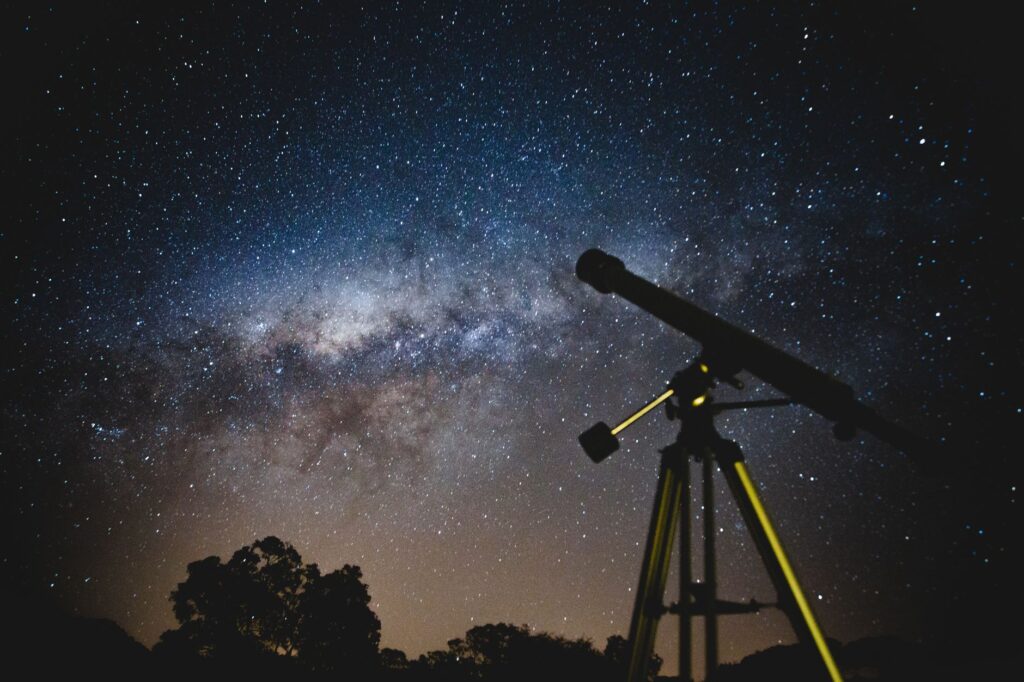
A day‑by‑day rundown of September’s best celestial sights, from Andromeda and Venus to a blinking nebula and striking lunar events.
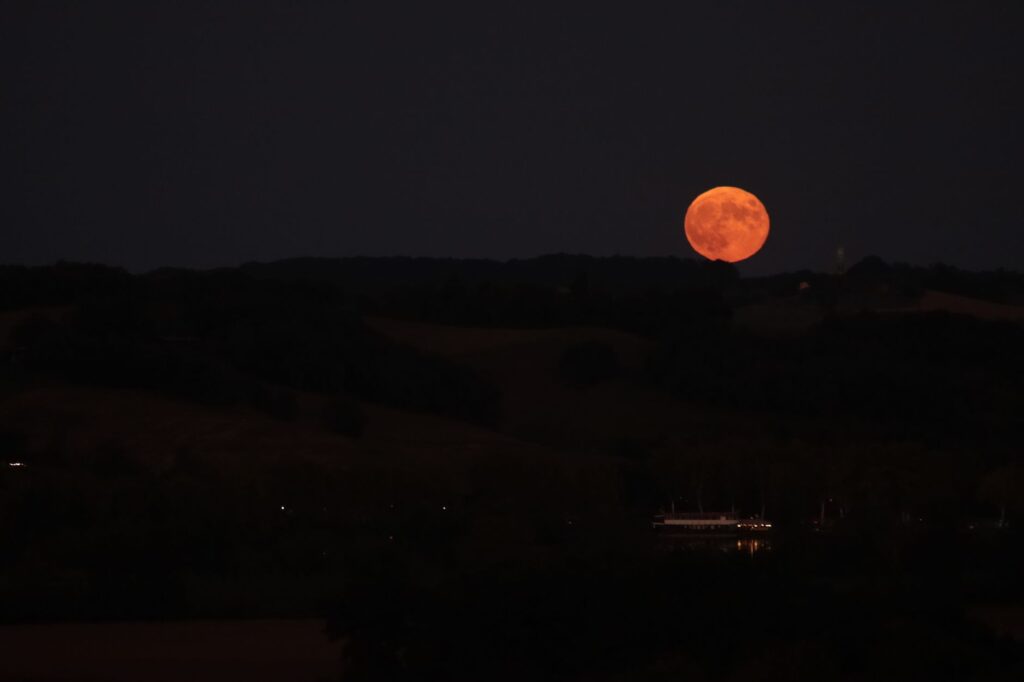
The September 2026 full moon peaks at 12:49 p.m. EDT on the 26th, offering a classic Harvest Moon view, cultural celebrations and nearby planets for stargazers.
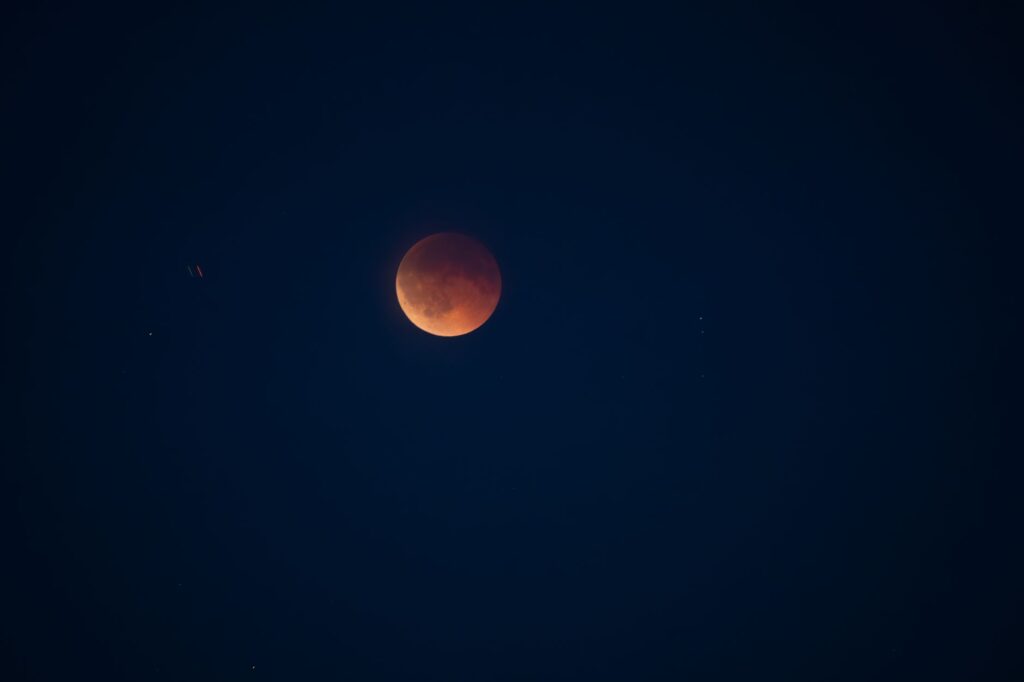
A near‑total lunar eclipse will darken the Moon for most of North and South America on Thursday, with peak coverage of 96.2% at 12:12 a.m. ET.
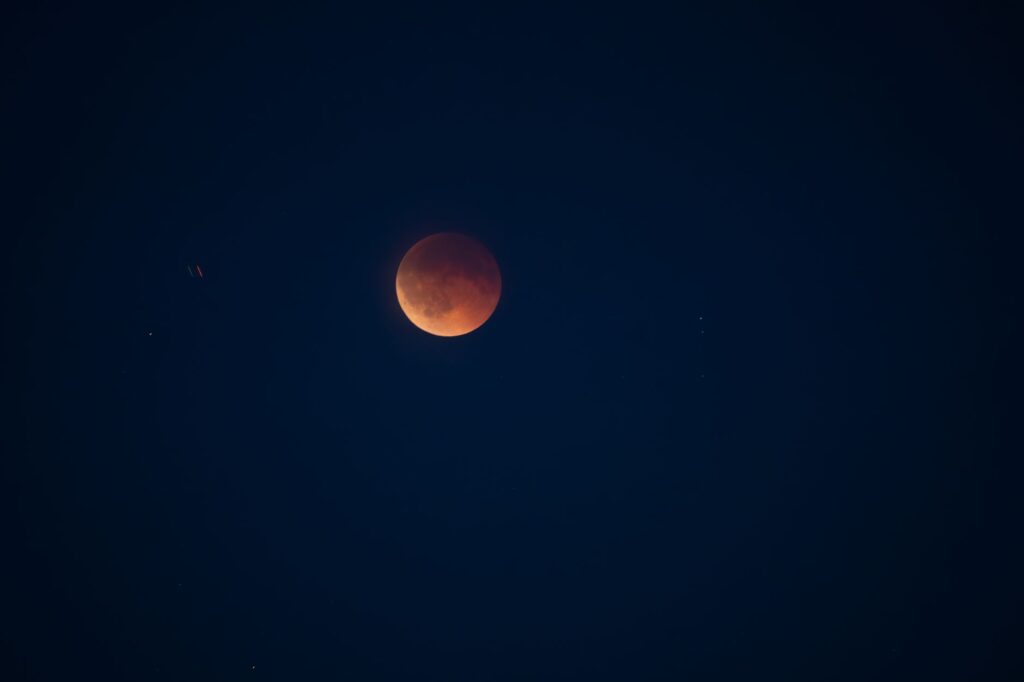
A deep partial lunar eclipse on Aug. 27‑28 covered 96.2% of the Moon, offering an “almost blood moon” view for observers across the globe.
Astronomers and health experts say Reflect Orbital’s experimental mirror satellite could blind observers and alter the natural night environment.
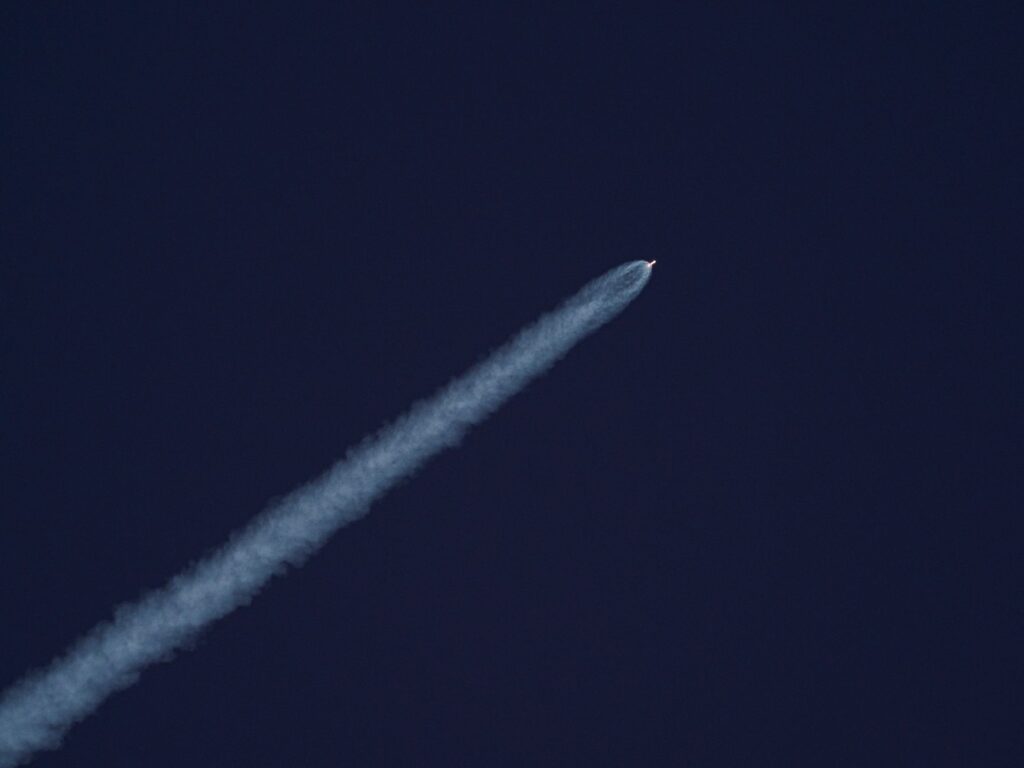
A Starlink launch this evening could produce a luminous “space jellyfish” as sunlight reflects off the rocket’s exhaust, while experts note local sky brightness may affect visibility.