
Astronomers have identified the most distant fast radio burst ever recorded, originating when the universe was three billion years old and traveling 10 billion light‑years to Earth.
Posts tagged as “James Webb Space Telescope”
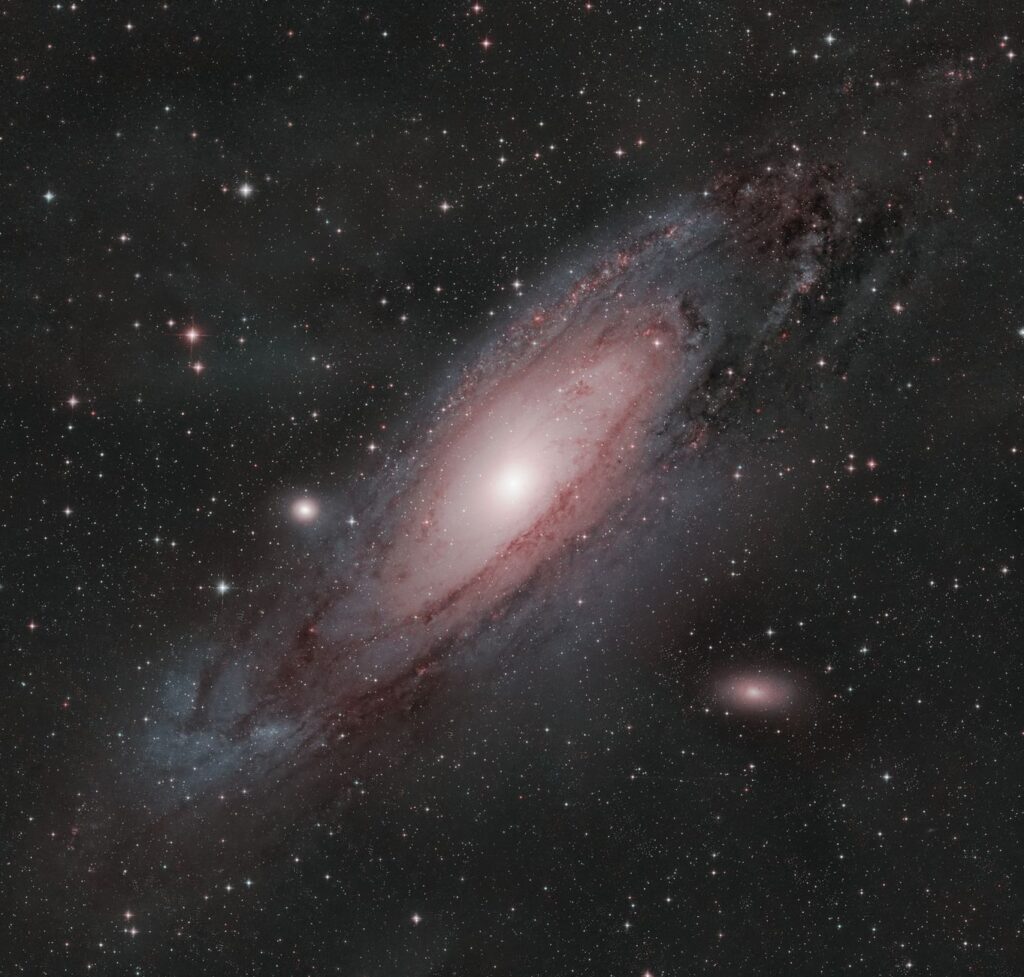
James Webb Space Telescope observations have located the galaxy that produced the most distant fast radio burst ever recorded, shedding new light on the phenomenon’s origins.
A millisecond radio burst from 10.6 billion years ago has been traced to a tiny, young galaxy, offering new insight into early fast radio bursts and the universe’s magnetic landscape.
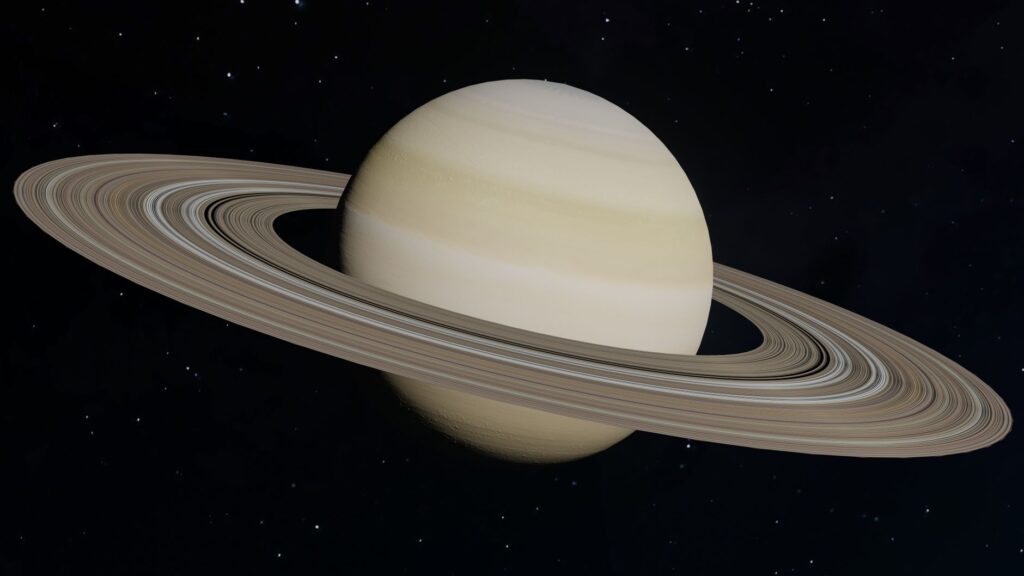
JWST observations reveal that Chariklo’s inner ring has become more opaque while its outer ring has faded, suggesting rapid changes in the distant centaur’s ring system.

New images from the James Webb Space Telescope are revealing previously unseen details of the nearby Centaurus A galaxy, prompting new questions for astronomers about its structure and central black hole.

NASA's James Webb Space Telescope, celebrating its fourth anniversary of public image releases, has revealed a new, detailed view of the active galaxy Centaurus A.

NASA's James Webb Space Telescope has captured an unprecedented view of the starburst galaxy Messier 82, revealing millions of individual stars and intricate details previously obscured by dust.

NASA's James Webb Space Telescope has provided new insights into the ancient origins of interstellar comet 3I/ATLAS, revealing chemical compositions significantly different from those found in our solar system.

The James Webb Space Telescope has revealed OMC-2, a dense star-forming region in the Orion constellation, showcasing multiple stages of stellar creation simultaneously through its infrared capabilities.
Researchers using the James Webb Space Telescope have discovered unexpected clouds composed of salt in the atmosphere of GJ504b, a planetary-mass companion known as the 'Pink Planet'.