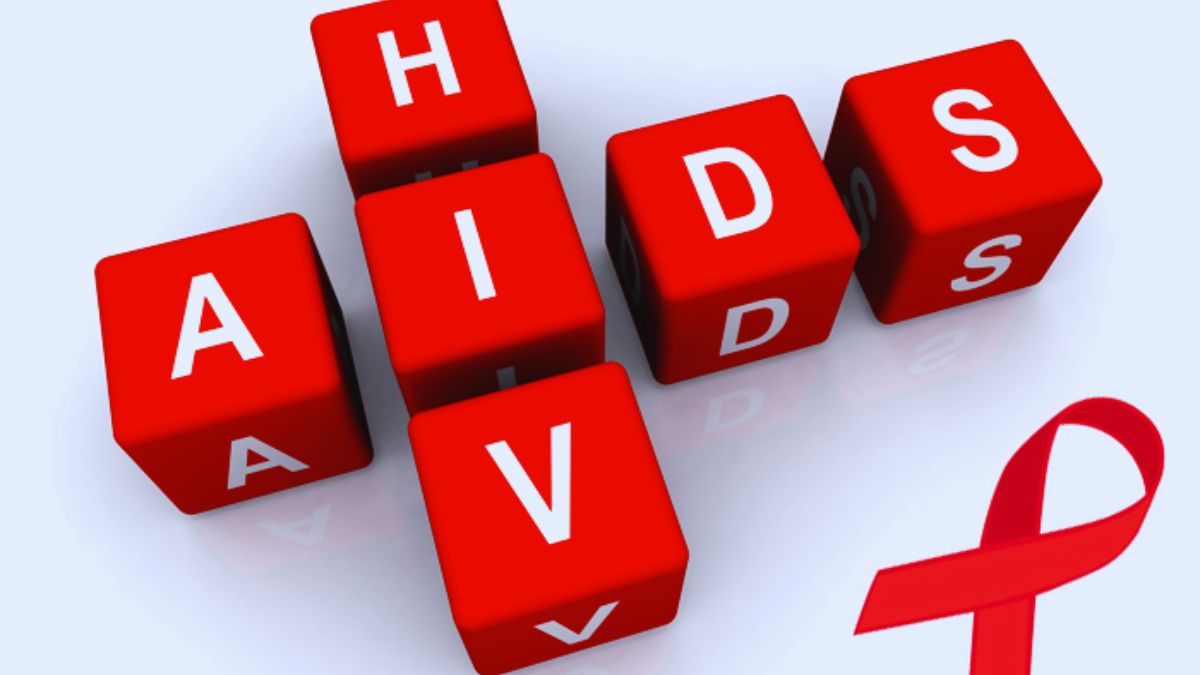
UN officials warn that if the funding isn’t replaced, it could lead to more than 4 million AIDS-related deaths and 6 million more HIV infections by 2029.
A recent UNAIDS report, which was released recently revealed that the sudden withdrawal of US government’s investment into AIDS programs has caused a ‘systemic shock’. The United Nations Organization (UNO) officials have warned that if the funding isn’t replaced, it could lead to more than 4 million AIDS-related deaths and 6 million more HIV infections by 2029. This could also lead to other major donors to scale back their support, and completely reverse decades of progress against AIDS.
The eye-opening report stated that the funding losses have already begun to dismantle the existing supply chains, closure of health facilities, left thousands of health clinics without staff, set back prevention programs, disrupted HIV testing efforts and forced many community organizations to reduce or halt their HIV activities. These sudden deceleration activities have led to major concerns amongst the patient community and the health experts who rely on the state’s funding in treating AIDS victims.
UN officials also fear that this could lead other major donors to scale back their support, which can degrade decades of progress against AIDS worldwide, and that the strong multilateral ties are in jeopardy because of the ongoing tensions, geopolitical shifts and climate change.
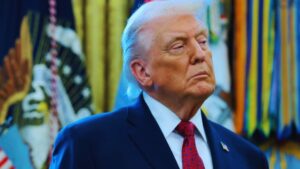
The $4 billion amount that the United States had pledged for the global HIV response for 2025 disappeared the moment US President Donald Trump took charge and ordered that all foreign aid be suspended. The Emergency Plan for AIDS Relief, or PEPFAR, was launched in 2003 by US President George Bush, the biggest-ever commitment by any country focused on eradicating a single disease.
UNAIDS had termed the program a lifeline for countries with high HIV rates and said that it supported testing for 84.1 million people, treatment for 20.6 million, among other initiatives. As of now, this funding is under review by the Trump administration, though Secretary of State Marco Rubio has issued a waiver to continue the life-saving treatment.
While some poorer countries were now moving to fund more of their own HIV programs, it would be impossible to fill the gap left by the US, since it has been one of the largest supporters and fund organizers to control the spread of this deadly disease. The US paid for most HIV surveillance in African countries, including hospital, patient and electronic records, all of which has now abruptly ceased, with no certainty on its future. This comes in the wake of a twice-yearly injectable that many victims hope would end HIV. Studies published last year showed that the drug from pharmaceutical maker Gilead was 100% effective in preventing the virus.
Last month, the US Food and Drug Administration approved a drug, called Yeztugo, a move that should have been a threshold moment for stopping the AIDS epidemic, and if available for the common public in the US and Sub-Saharan Africa, it could prove to be a miracle remedy for eliminating the harmful HIV consequences.

Helene Elliott is the Lead Science & Space Reporter at News Raise. She reports on aerospace missions, astrophysics discoveries, quantum research, and environmental technology.