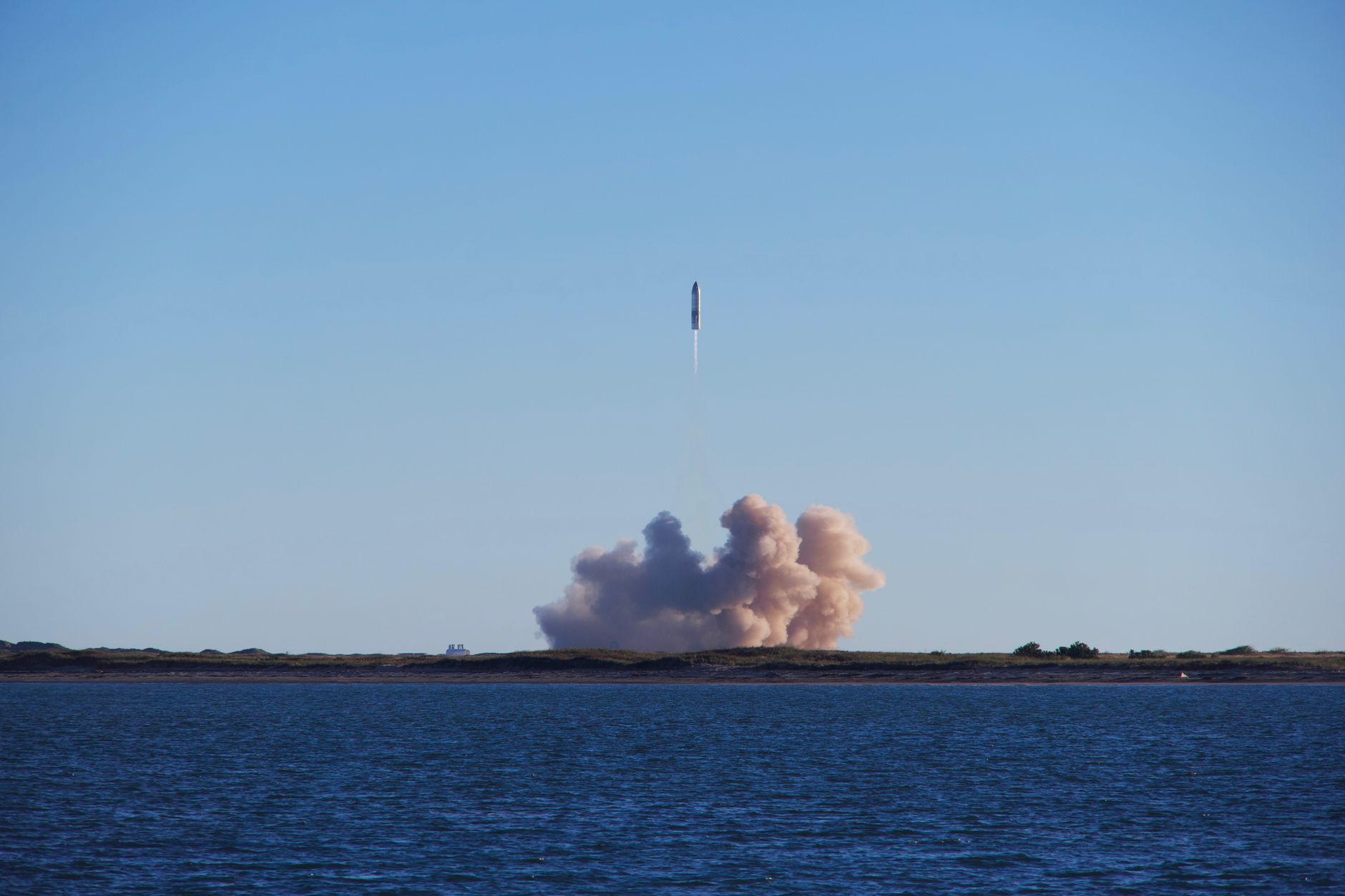
A planned rescue mission for NASA’s Swift Observatory has been temporarily delayed due to a software problem encountered just before launch. The mission, intended to prevent the telescope from crashing back to Earth by October, faced a setback when Northrop Grumman’s rocket-launching plane experienced an issue over the Marshall Islands.
Launch Aborted Due to Software Issue
The rocket-launching plane, carrying a Pegasus rocket, had already taken off from the Pacific’s Marshall Islands on Thursday, following a week of weather-related delays. However, a software glitch led to an abort of the launch sequence, leaving the Pegasus rocket attached to the plane, according to NASA. The problem has since been resolved, and a new launch attempt was scheduled for Friday.
Mission to Save Swift Observatory
The Pegasus rocket is equipped with a three-armed robotic spacecraft developed by Katalyst Space Technologies. This spacecraft is designed to capture the Swift Observatory, which is at risk of re-entering Earth’s atmosphere by October if the mission is unsuccessful. NASA previously halted Swift’s scientific operations earlier this year to conserve its orbit for as long as possible. Since its launch in 2004, the Swift Observatory has been instrumental in detecting thousands of gamma-ray bursts and exploding stars, often alerting other telescopes for follow-up observations.
The space agency contracted Katalyst Space last September for the $30 million salvage operation, driven by the desire to continue Swift’s astronomical observations. No new launch date has been announced following the initial delay.

Norman Pearlstine is the Chief Editor of News Raise and focuses on Business news. His responsibility is to oversee the editorial content including business, commodities, personal investments and the stock market.