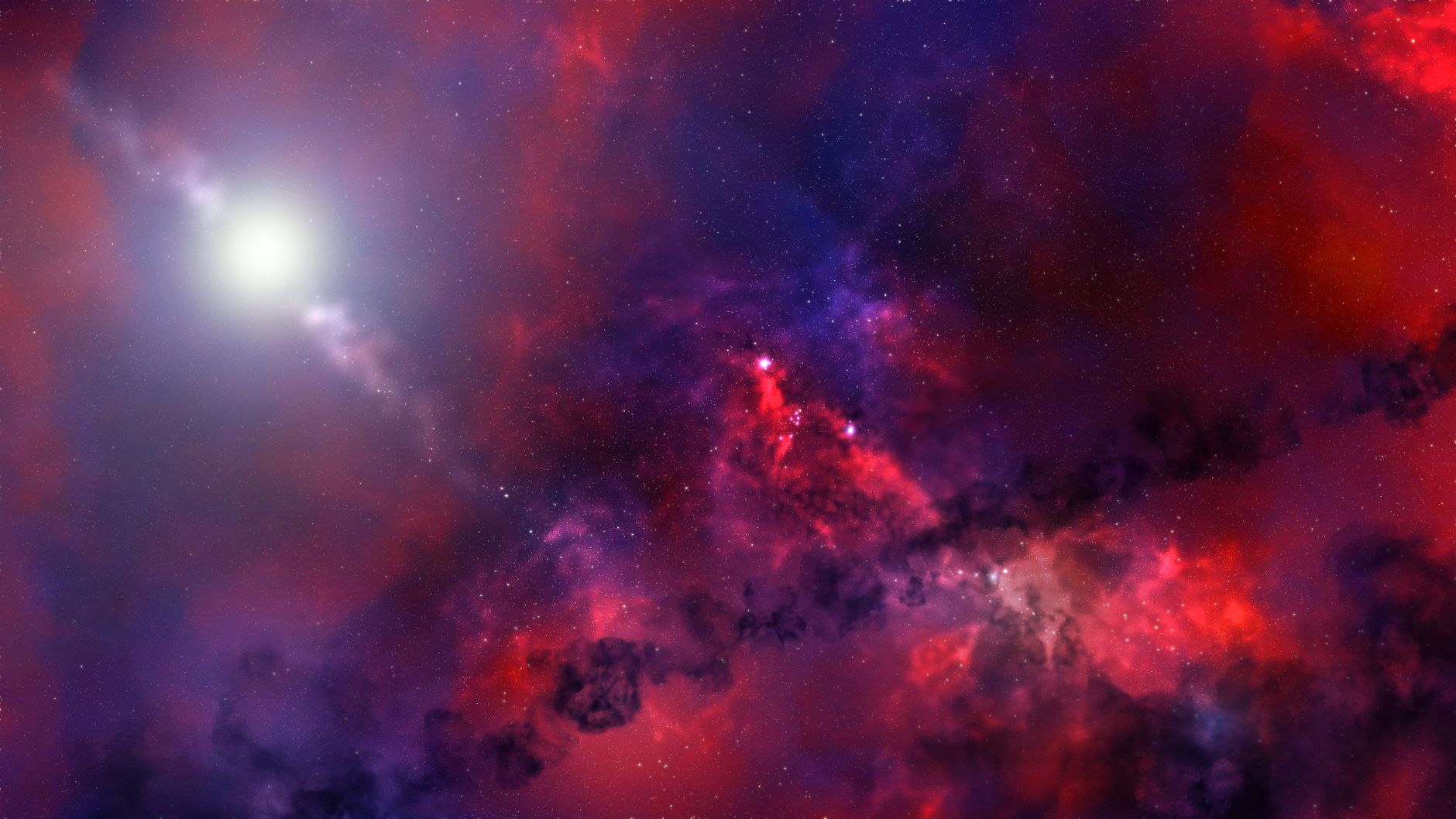
New images captured by the James Webb Space Telescope (JWST) have unveiled previously hidden details about the nearby galaxy Centaurus A, leaving astronomers with numerous questions about its structure and star formations.
Cutting Through Cosmic Dust
Centaurus A, also known as NGC 5128, is located 11 million light-years from Earth and has been studied since its discovery in 1826. However, a dense band of cosmic dust surrounding its central region has historically obscured detailed observation, a challenge even for the Hubble Space Telescope.
The JWST’s Mid-Infrared Instrument (MIRI) is capable of penetrating these hazy gases, providing European Space Agency (ESA) astronomers with a clearer view of the galaxy’s inner workings. This capability has been described as enabling a prime example of “galactic archaeology.” By combining MIRI data with images from the Near-Infrared Camera (NIRCam), astronomers have observed a distinctive, warped parallelogram-shaped band of light across the galaxy’s center, speckled with stars. Wisps of material appear to extend outward from this band, resembling clouds.
Investigating Galactic Processes
ESA astronomers hypothesize that this central formation may be the result of a galactic collision with another galaxy billions of years ago. The JWST’s spectroscopy instruments were also employed to investigate the influence of the supermassive black hole at Centaurus A’s core on the galaxy as a whole.
While researchers are confident that the black hole can both trigger new star formation by compressing gas and limit it by expelling material, the precise mechanisms and their complex interactions remain subjects of ongoing study. Despite these lingering questions, the new data has allowed astronomers to trace dust, resolve millions of individual stars, and observe the motion of gases with unprecedented clarity. These observations are transforming Centaurus A into what ESA astronomers call a “vivid record of cosmic history.”

Steve Lopez is the Editorial Page Editor for News Raise. He covers Health. He has won more than a dozen national journalism awards for his reporting and column writing at seven newspapers and four news magazines.