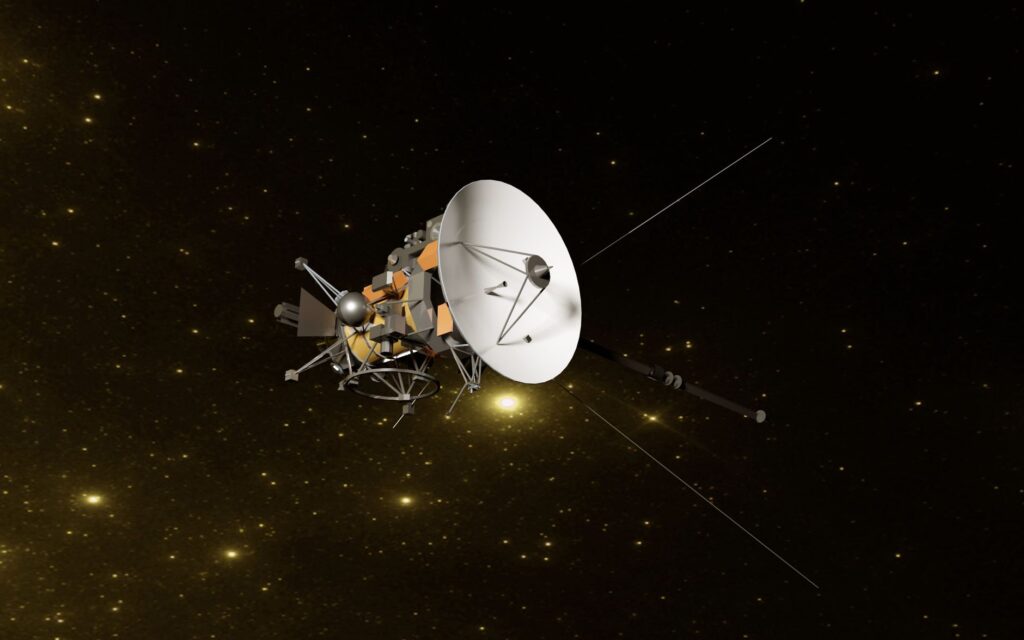
Tomorrow at 5:16 a.m. EST, Voyager 1 will be one light‑day (≈25.9 billion km) from Earth, the farthest distance any human‑made object has traveled.
Posts tagged as “Astronomy”

A tiny, fast‑moving boulder designated 1998 KY26 shows unexplained accelerations, prompting scientists to question whether it is a comet, asteroid, or something else.
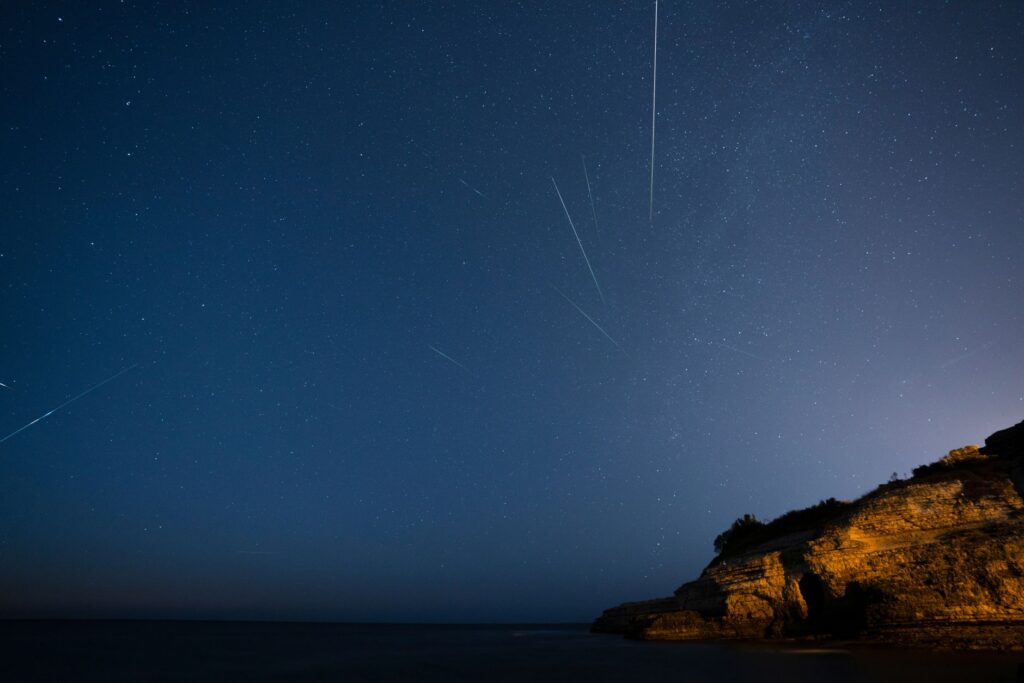
The Leonid meteor shower reaches its 2026 peak on the night of Nov. 17‑18, offering fast fireballs and a radiant in Leo for observers worldwide.
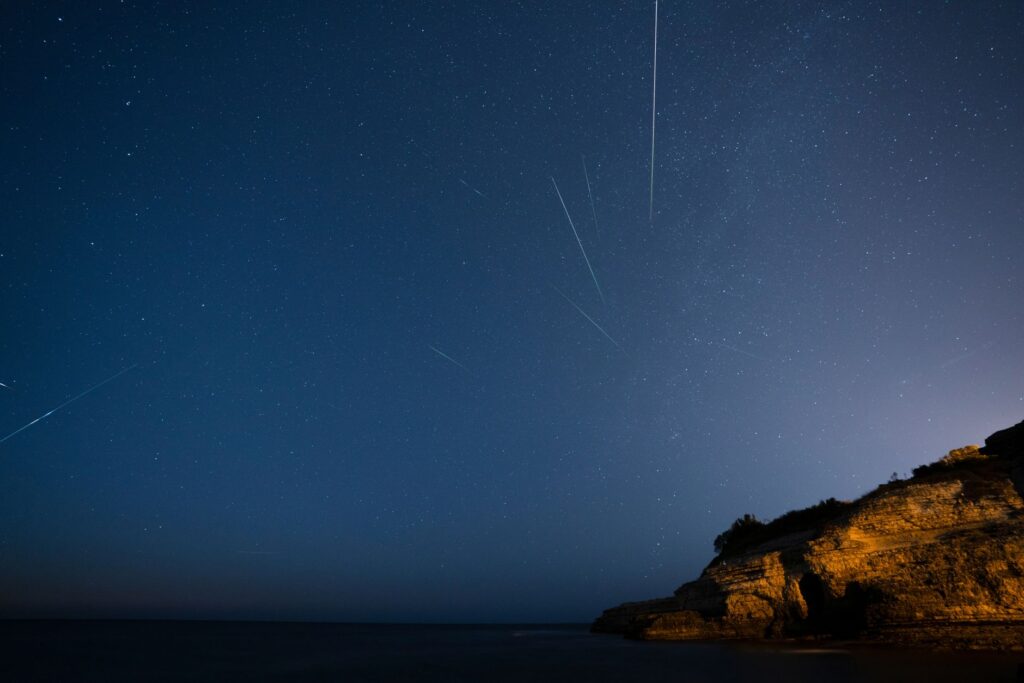
The Leonid meteor shower reaches its peak overnight Monday into Tuesday, offering fast, bright fireballs and guidance on how to watch the display.
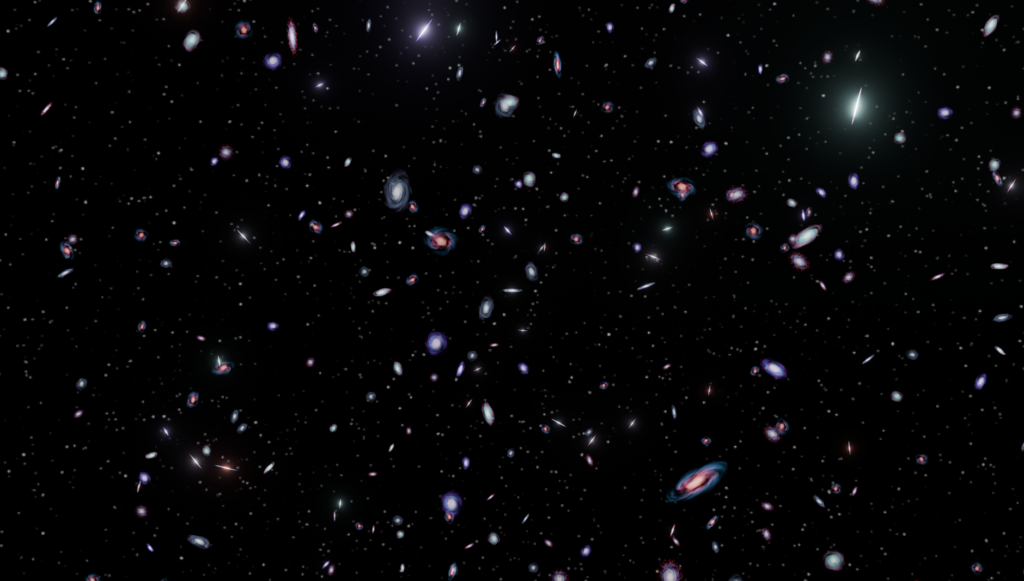
The European Space Agency’s Euclid telescope has released its first major data set, cataloguing over 900 million galaxies and about 15,000 strong gravitational‑lensing candidates.
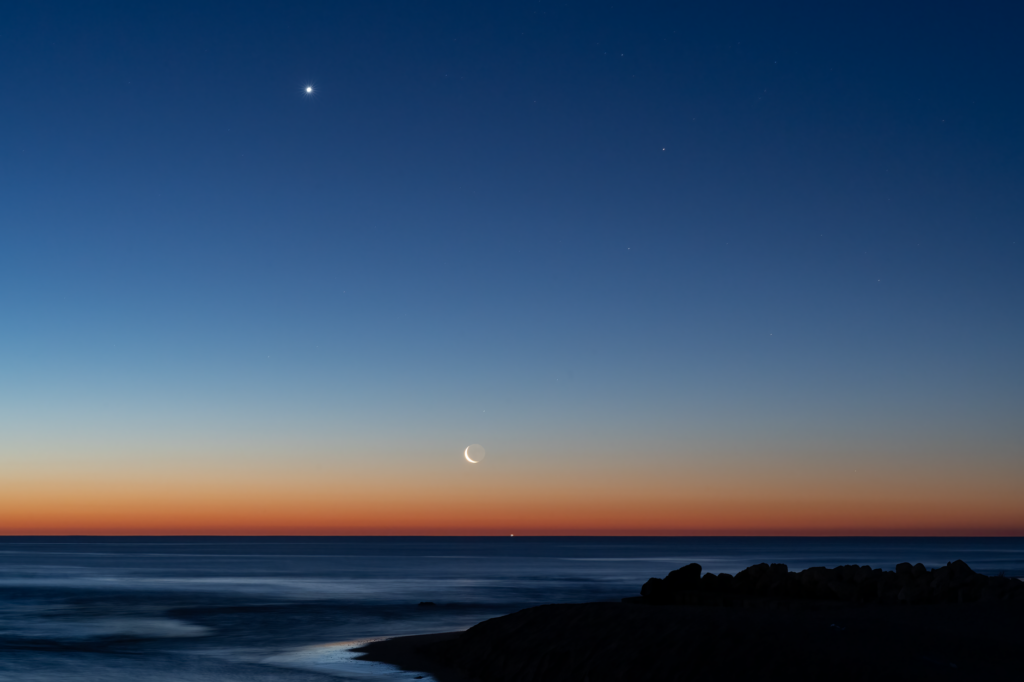
Jupiter and Mars will appear just over a degree apart in Leo on the night of Nov. 15‑16, a rare alignment not seen again until July 2029.
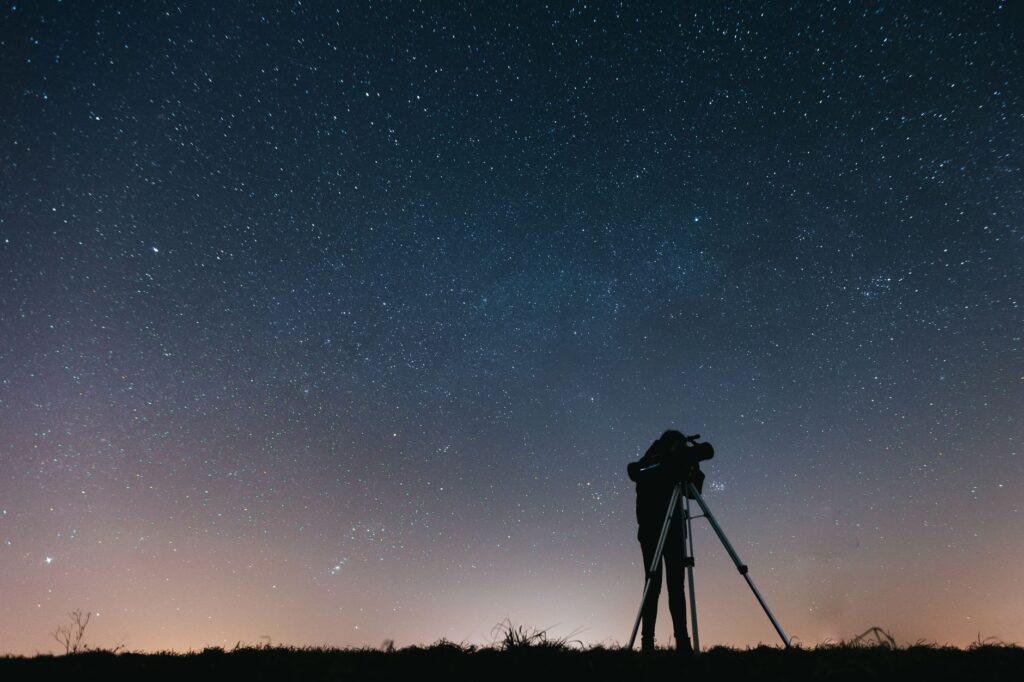
Astronomers using JWST have identified the earliest and most compact quasar duo, challenging existing models of black‑hole growth in the early universe.
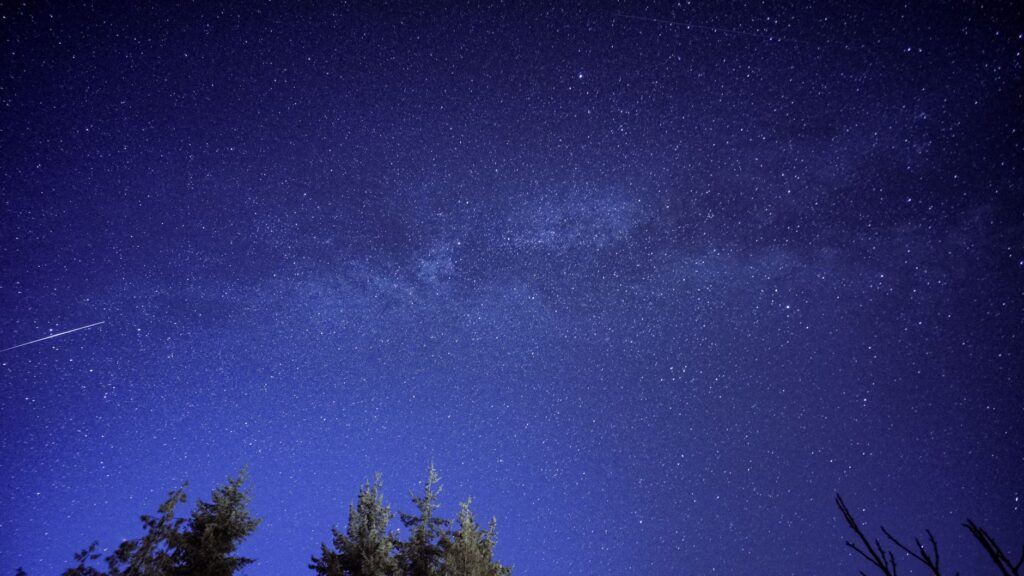
The 2026 Leonid meteor shower is expected to produce only a handful of meteors per hour, a sharp contrast to the 144,000 per hour seen during the 1966 storm.
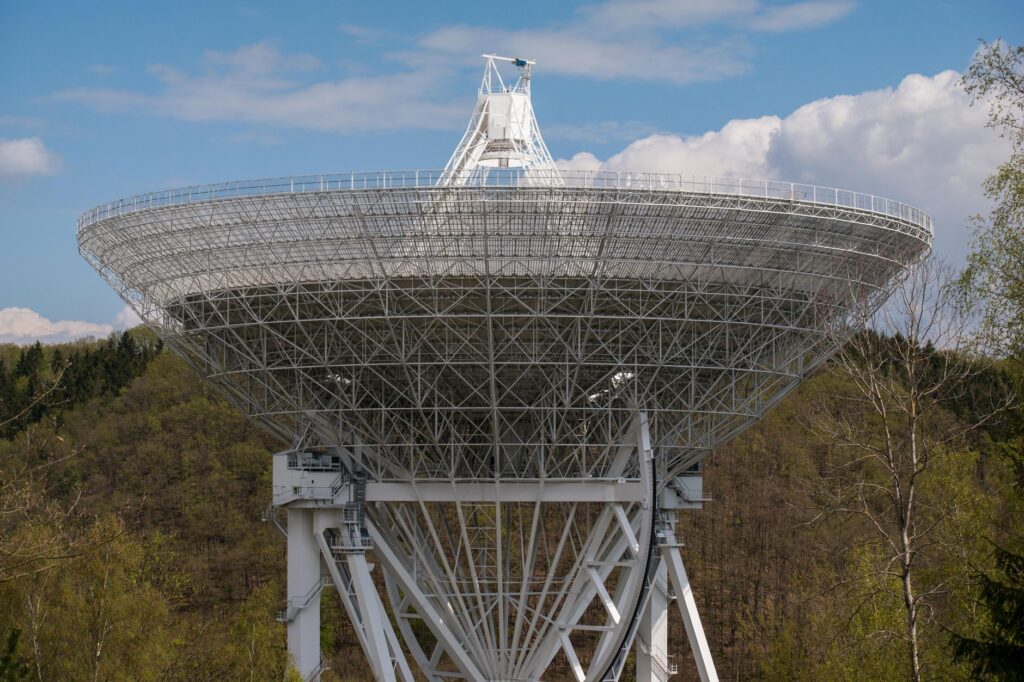
The ESA Euclid mission released its first major data set, mapping over a billion objects and opening new avenues for dark matter and dark energy research.
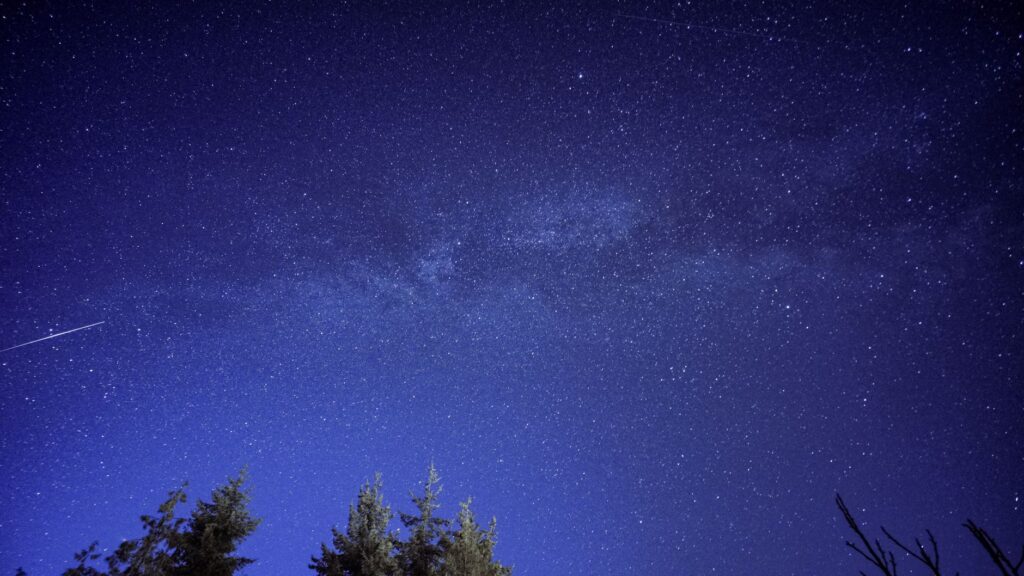
Tonight’s peak of the Northern Taurid meteor shower offers a chance to see bright fireballs against a dark sky, with experts noting the event’s scientific significance.