When to Watch
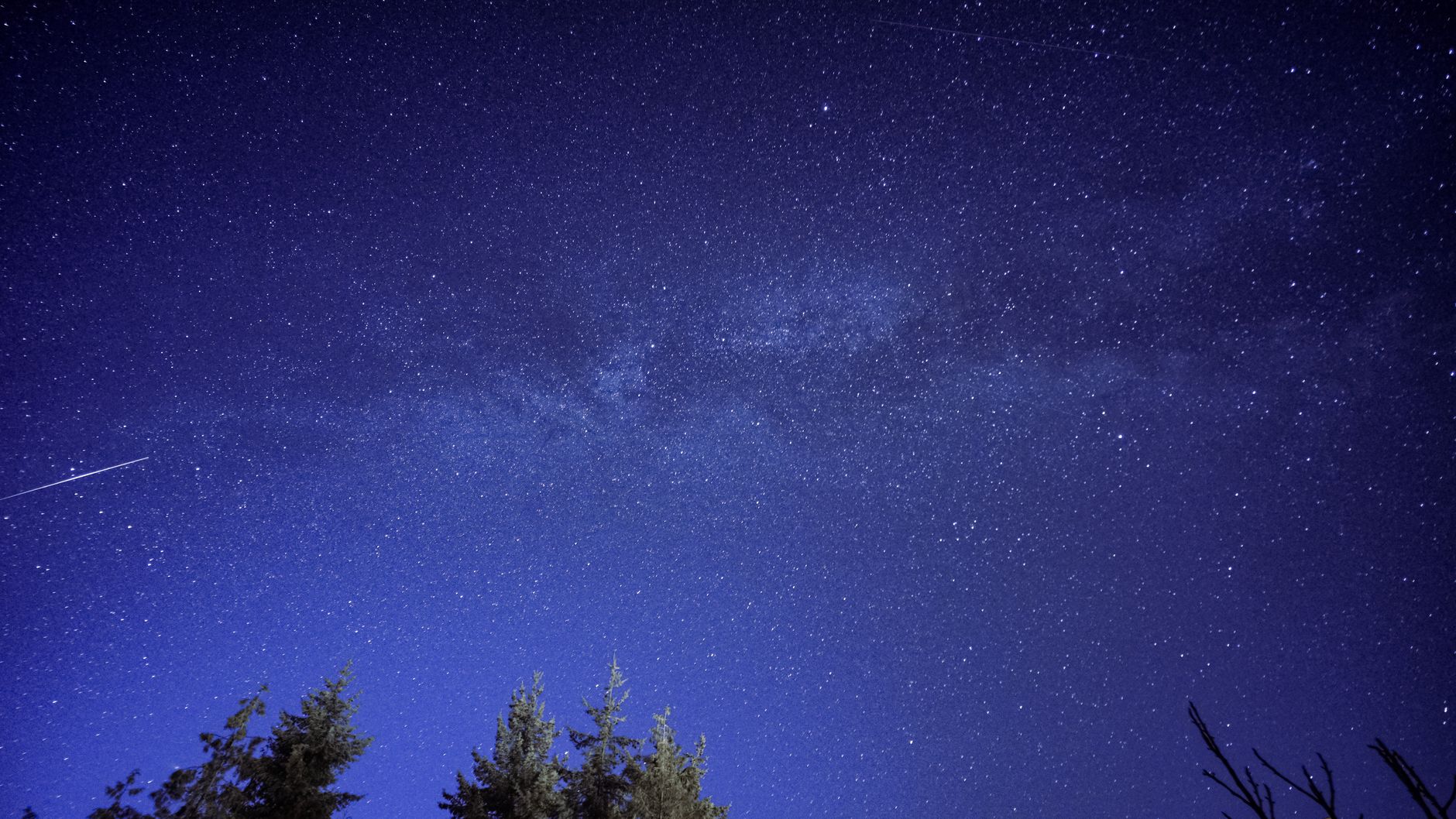
Those who missed last week’s Southern Taurids have another chance to see a fireball blaze across the sky as the Northern Taurids reach their peak. Dark skies are expected after Monday’s new moon, making Wednesday night into early Thursday morning the best time for viewing. The meteor shower will be visible as brief flashes of light lasting only a few seconds. NASA projects a 4%‑full waxing crescent moon for Wednesday, so the lack of bright moonlight should provide excellent observing conditions.
What to Expect
Observers should seek a dark location and allow their eyes to adjust for about half an hour, avoiding bright screens. The bright streaks will appear to emerge from the Taurus constellation, but according to Mark Boslough, the radiating meteors can be seen anywhere in the sky. The Northern Taurids normally produce five meteors per hour between October 20 and December 10. When the shower overlaps with the Southern Taurids, which end on November 12, the rate can double. The Taurid meteors are known for producing fireballs that can outshine Venus; these fireballs arise from debris ranging from a marble to a small boulder. Some leave behind ionized air lines that vanish after a few seconds, while others create smoke trails that linger for minutes.
Scientific Context
The Northern Taurid meteor shower occurs annually when Earth passes through debris left by asteroid 2004 TG10, discovered in 2004. Scientists believe the asteroid was part of a larger body that broke apart roughly 20,000 years ago, forming the Encke Complex. Comet Encke, which is linked to the Southern Taurids, is another fragment of that breakup. A recent study suggested that 2004 TG10 is only one of ten asteroids that contribute to the Northern Taurids, indicating a complex stream rather than a simple one. Boslough’s research team studies meteor showers to assess the risk of potential Earth‑impacting objects. In 2025 they published a paper on the Taurid stream, noting that it may contain more hazardous material.
Future Outlook
Mark Boslough and colleagues are preparing for a particularly dense Taurid meteor shower in 2032. By locating clusters of potentially dangerous debris, they plan to use telescopes to detect small, dark objects through the heat they emit. Boslough stresses that this monitoring is part of “due diligence” rather than an indication of imminent danger. “The idea that there is a dense swarm of dangerous objects, that’s completely hypothetical — there’s very little evidence for that,” Boslough said. “But we can’t eliminate the chance that the risk during those times is extremely elevated.”
As the year ends, other meteor showers will also provide opportunities for skywatching. Peak dates include the Leonids on November 16‑17, the Geminids on December 13‑14, and the Ursids on December 21‑22.

Steve Lopez is a Senior Editorial Columnist and Health & Public Policy reporter for News Raise. Steve focuses on healthcare advancements, medical technologies, and public health policies.