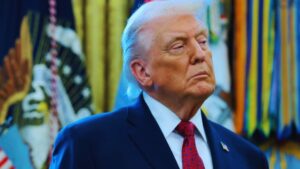
In the current situation, things have been quite weary and uncertain off late. The incumbent President of the United States, Donald Trump has once again created headlines with his new announcement and plans pertaining to the burning topic of present day, trade tariffs.
In the latest move by the POTUS and his government, there are major plans to impose heavy tariffs on foreign-made films, framing the move as part of a broader effort to protect the U.S. film industry, which he claims is in a state of sharp decline. In an official statement on his social media platform, Truth Social, Trump described international competition in filmmaking as a coordinated attempt by other countries to lure production away from the United States, calling it a national security threat. This rather bold statement and apparent remark on other nations has caused a widespread stir. For the uninitiated, trade tariff in simple terms refers to a tax or duty imposed by a country’s government on imported goods, commonly termed as customs duties. These taxes are levied to raise revenue for the government and protect domestic industries from foreign competition. Trade tariff is a big element in international trade, which serves as an important tool for trade regulation between different nations.
As far as the entertainment sector is concerned, Trump strongly feels that other countries purposely offer incentives and special rates to attract filmmakers and studios to their nation, which is resulting into a growing issue for the US market. With a clear intent to protect and safeguard America’s declining movie business, Trump has instructed and authorized the Department of Commerce and Trade representatives to officially commence the process of levying 100% tariff on all films being produced outside the United States borders and entering their market later. The practical details of how this policy would be implemented, particularly in cases where films are international co-productions or partly filmed in the U.S. remain unclear as of now. As obvious, this action will lead to trade disputes with nations around the world going rampant and more apparent than ever before. The proposed measure is part of a broader strategy targeting imports and attempting to reverse what Trump describes as a ‘deliberate global effort’ to undermine Hollywood. Trump’s statement, posted on Sunday, May 4, characterized the current state of the U.S. movie industry as one underlined with crisis and giving out a clear warning that the American film production sector is on the verge of dying a very fast death. He openly accused foreign governments of offering substantial incentives to lure major film studios overseas – move that comes across as a carefully planned attempt to disregard U.S. interests and deliberately steal their movie-making capabilities, an ideology that seems rather difficult to believe.
The potential impact of such a robust policy remains uncertain, especially for films like Mission: Impossible, James Bond, Deadpool, Fast & Furious and several other serial franchises, that involve production across multiple countries, including the U.S. The announcement comes at a time when the U.S. entertainment industry is still recovering from significant setbacks in recent years. Following the large-scale disruptions caused by the COVID-19 pandemic, the industry had faced turmoil in 2023 as well, which included strikes by writers & actors’ guild, and the terrible wildfires that severely disrupted filming in Californian region. Production levels in many parts of the United States have plummeted sharply in recent times. As per the data released by industry tracker Prod Pro, U.S. film and television production in 2023 was down 26% compared to 2021. Industry leaders have cited the below mentioned factors as the contributing factors for this decline:
- Increased competition from abroad
- Rising production costs in the U.S.
- A shift towards international filming locations
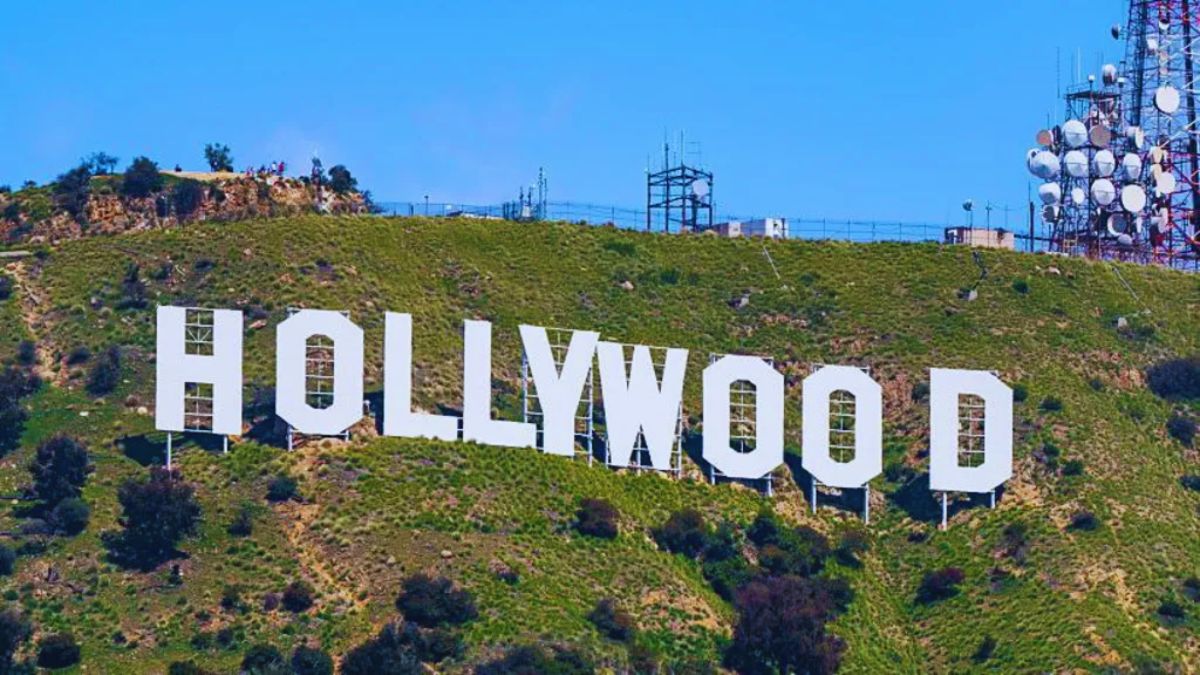
Trump’s comments vehemently conveyed this sentiment. In the long post, Trump has also reiterated his long-standing pledge to bring film production back to American soil and revived the slogan he once famously used: ‘Make Hollywood Great Again’. Though his thoughts have his nation’s best interests at heart, the staunch remarks could cast a knock-out blow to the industry, where many filmmakers have for years left Hollywood for neighbouring destinations like the UK and Canada in search of lower filming costs. In order to fuel this action faster, Trump appointed three film superstars – Jon Voight, Mel Gibson and Sylvester Stallone as the special ambassadors tasked with promoting business opportunities in Hollywood. With a hope that these men would bring back the lost business and make the Hollywood industry stronger than ever before. Trump has vowed to reverse the trend of moving out of the U.S. for shooting through this tariff charge, but the details on it are hazy. Trump’s statement did not say whether the tariff would apply to even the American production companies that are producing films abroad; It was also unclear if the tariffs would apply to films on streaming services, like Amazon Prime and Netflix, as well as the movies that will be screened in cinemas, or how they would be calculated. This move has received mixed responses so far, as expected. This trade agenda has drawn both praise and criticism from industry experts and economists. Supporters argue that it will help shield American jobs and industries, while opponents warn of even higher prices for consumers and strained international relations.
Since returning to the White House in January as the triumphant candidate, Trump has imposed tariffs on countries around the world. His belief that this decision will boost US manufacturers and protect indigenous jobs has thrown the global economy into chaotic situation, and prices on commodities around the world have slowly begun to rise up. The tariff duty on foreign films appears to extend Trump’s economic ideology into the cultural domain as well, a space that was traditionally less affected by change in trade policies. It now also aligns with his broader political message to retrieve American greatness, and with this bold move, Donald Trump has certainly added another dramatic twist to the existing debate around the complex landscape of U.S. trade policy. Whatever may be the outcomes, there are big-scale economic implications at stake and the resurgence of the declining movie business in the largest economy of the world can only be supported if the people within the country aim to revive it through their own film-making tweaks or get into some trade agreements to control the downfall.

Helene Elliott is the Lead Science & Space Reporter at News Raise. She reports on aerospace missions, astrophysics discoveries, quantum research, and environmental technology.