
Tim Andrews lived 271 days dialysis‑free with a pig kidney before a human transplant, setting a new xenotransplantation record and offering hope for kidney‑failure patients.
Posts published in “Healthcare”

A new Lancet Regional Health study shows that just one standard drink per day has doubled the proportion of U.S. cancer deaths linked to alcohol over the past three decades.

Reports say the CDC kept two measles deaths in an internal database after they were removed from the public website at the direction of Health Secretary Robert F. Kennedy Jr.

A new analysis shows Americans are speaking about 300 fewer words a day than in 2005, a 28% drop linked to technology and reduced face‑to‑face interaction.

An outbreak of epizootic hemorrhagic disease has been linked to more than 600 white‑tailed deer deaths across three counties in southeastern Wisconsin.

WHO Director‑General Tedros warned that every Ebola transmission chain in the DRC must be identified and stopped, as deaths top 3,000 and funding gaps exceed $1 billion.

Leading U.S. medical societies released coordinated recommendations for flu, COVID‑19 and RSV shots this season, aiming to clarify guidance after recent federal shifts.

Three Japanese women developed ketoacidosis after using tirzepatide without medical supervision, prompting experts to call for safer, nutritionally supported weight‑loss practices.
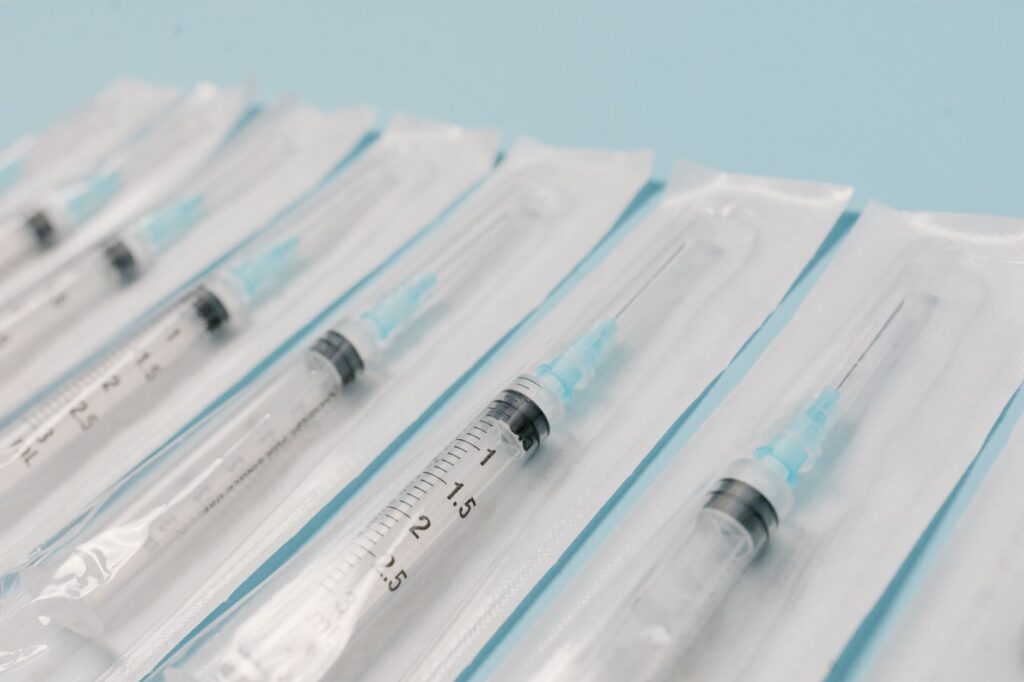
U.S. newborns who miss the standard vitamin K injection rose 57% from January to June 2026, heightening the chance of life‑threatening bleeding, a new analysis shows.

Two visitors to UPMC Children’s Hospital tested positive for measles, prompting health officials to warn of exposure in multiple hospital areas.