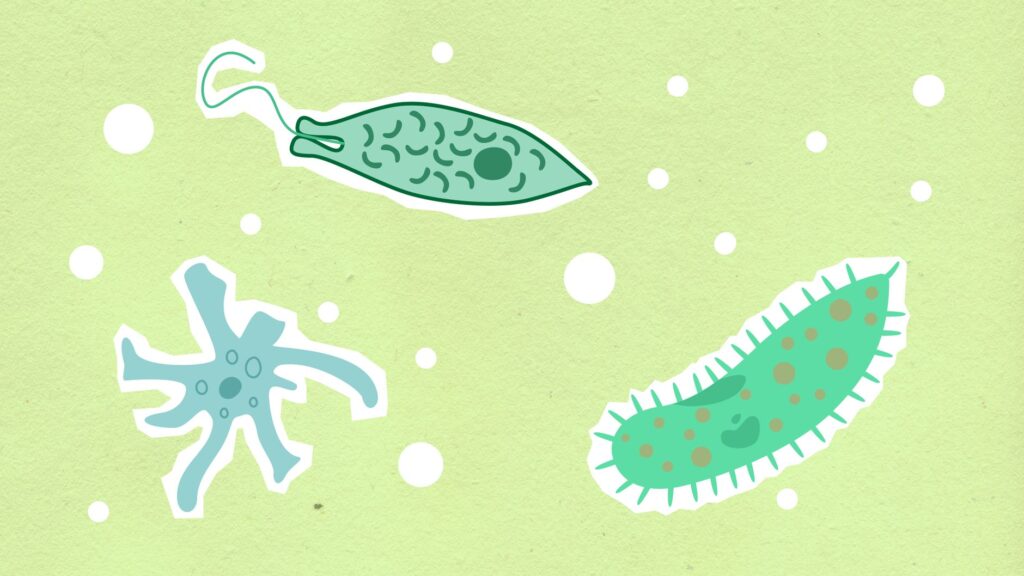
A newly identified eukaryotic microbe, Incendiamoeba cascadensis, can reproduce at 145 °F, setting a temperature record for complex cells and expanding the known limits of life.
Posts published in “Science”
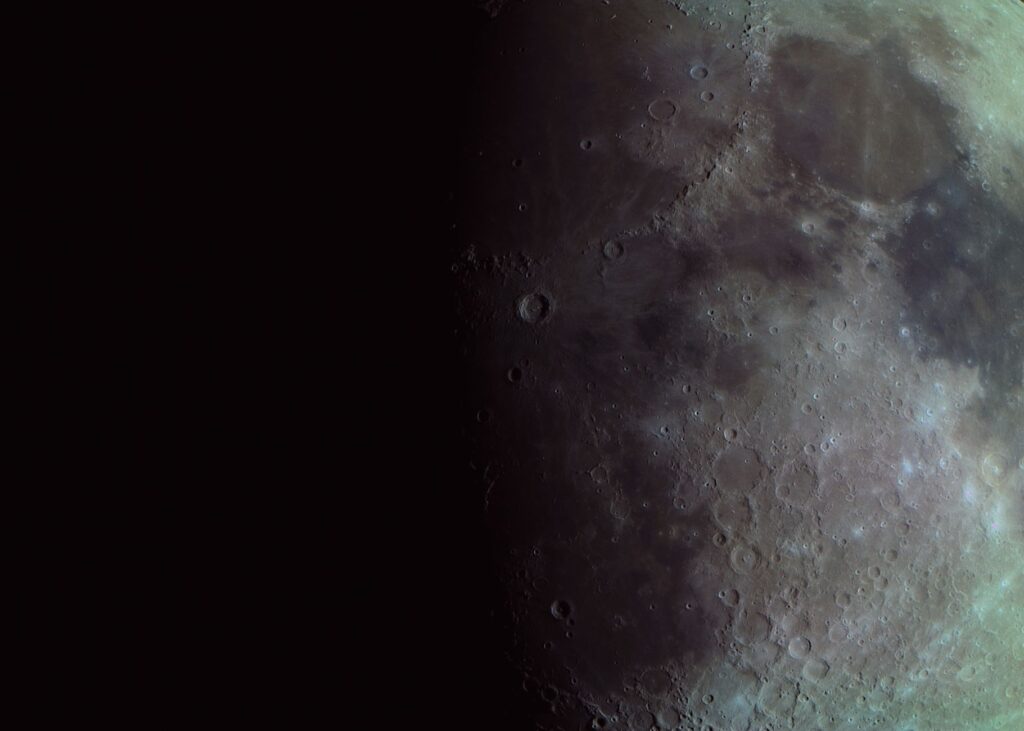
Scientists have identified a 222‑meter crater on the Moon’s eastern limb, the largest fresh impact seen in modern monitoring and a once‑in‑a‑century event.
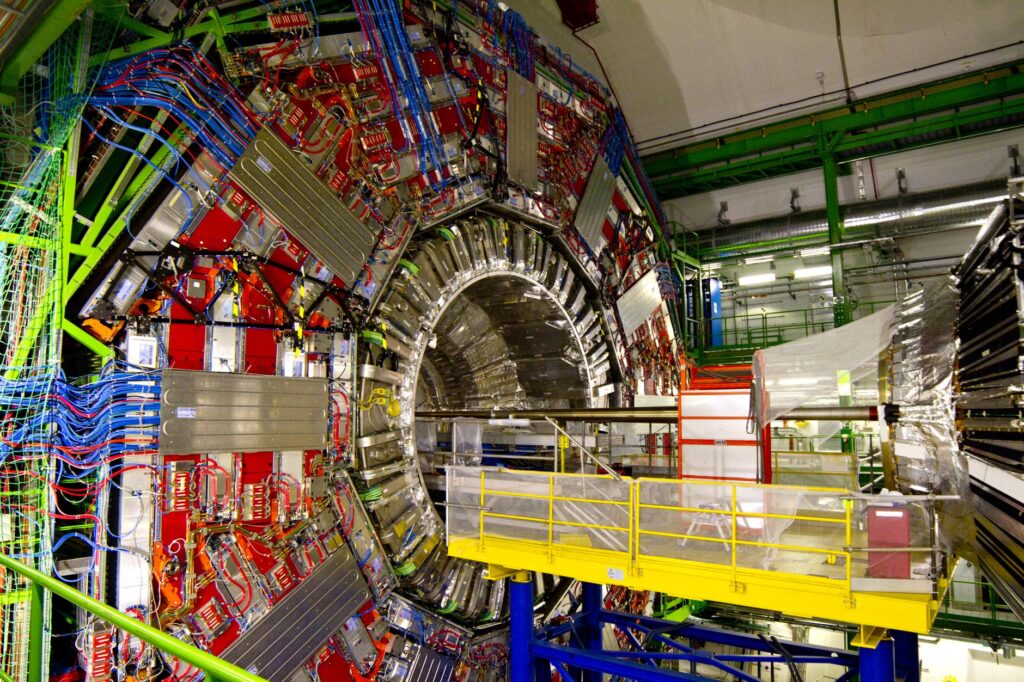
Physicists at the Large Hadron Collider have analyzed data up to 12 TeV and found no signs of tiny, short‑lived black holes, tightening limits on theories that predict extra dimensions.
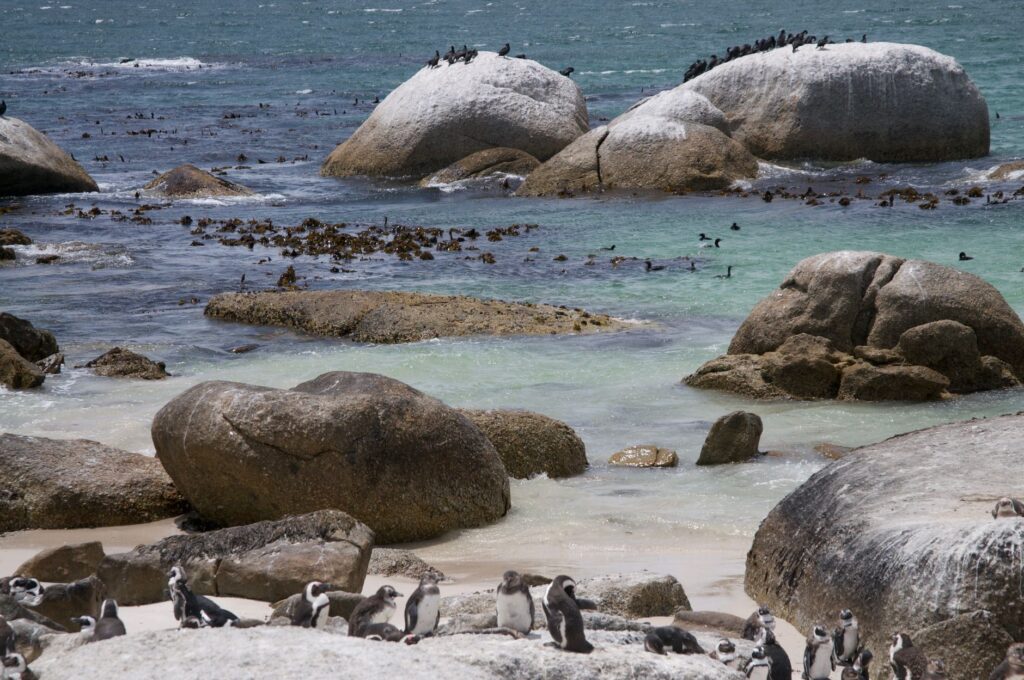
Researchers have identified a previously unknown gentoo penguin species on the remote Kerguelen Islands, marking the first new penguin species named in more than a century.
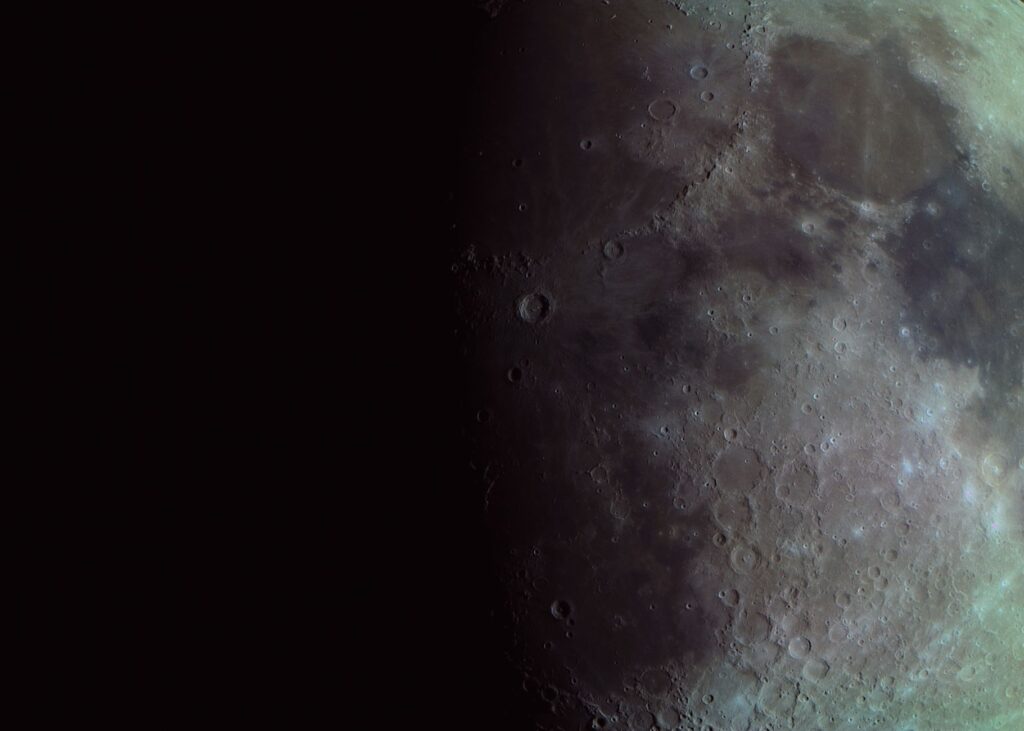
Scientists have identified a 728‑foot crater on the Moon, named McGetchin, created by a rare impact in 2024 and accompanied by a 4‑mile cold spot.
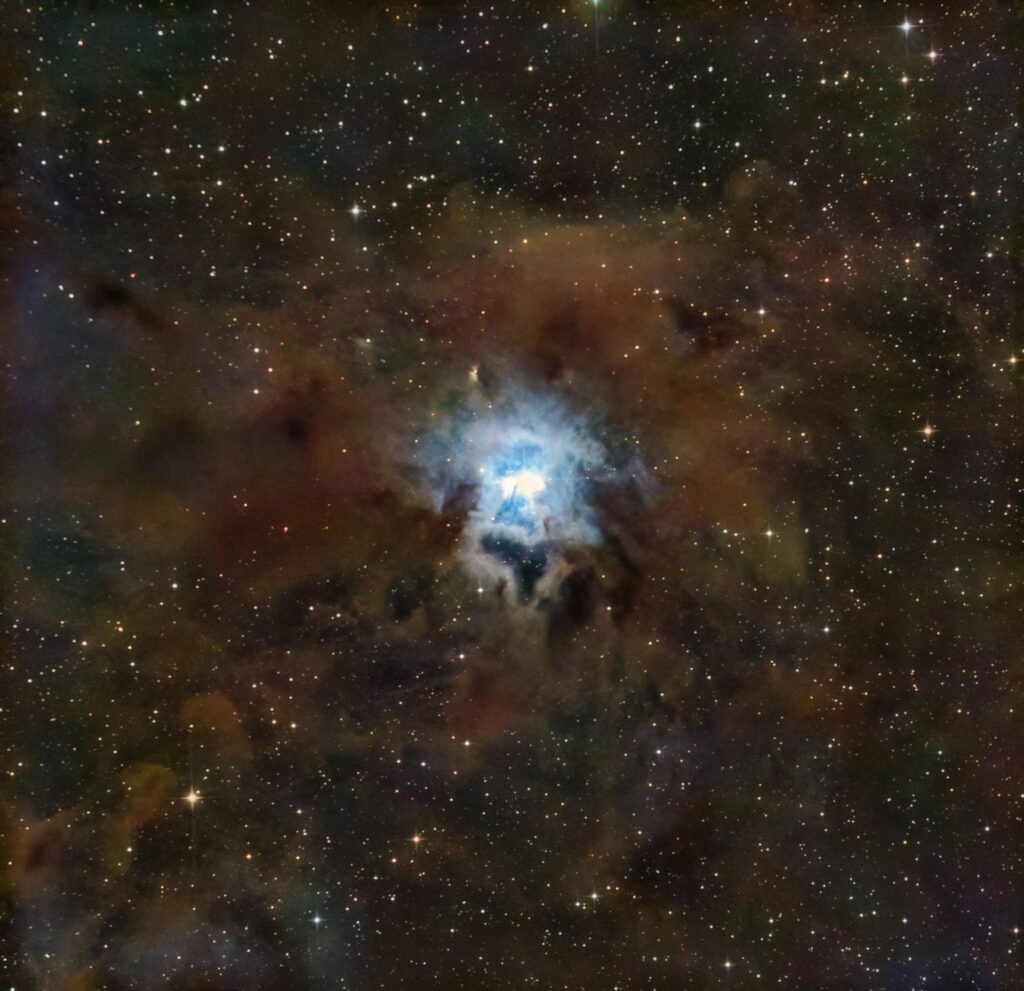
NASA’s Nancy Grace Roman Space Telescope released its first test image on Sept. 15, 2026, showing green‑colored loops of stars as its 300‑megapixel camera comes online.
Research using ESA and NASA satellite data shows that Greenland and Antarctica have lost 12.5 trillion tons of ice since 1979, raising global sea level by about an inch.
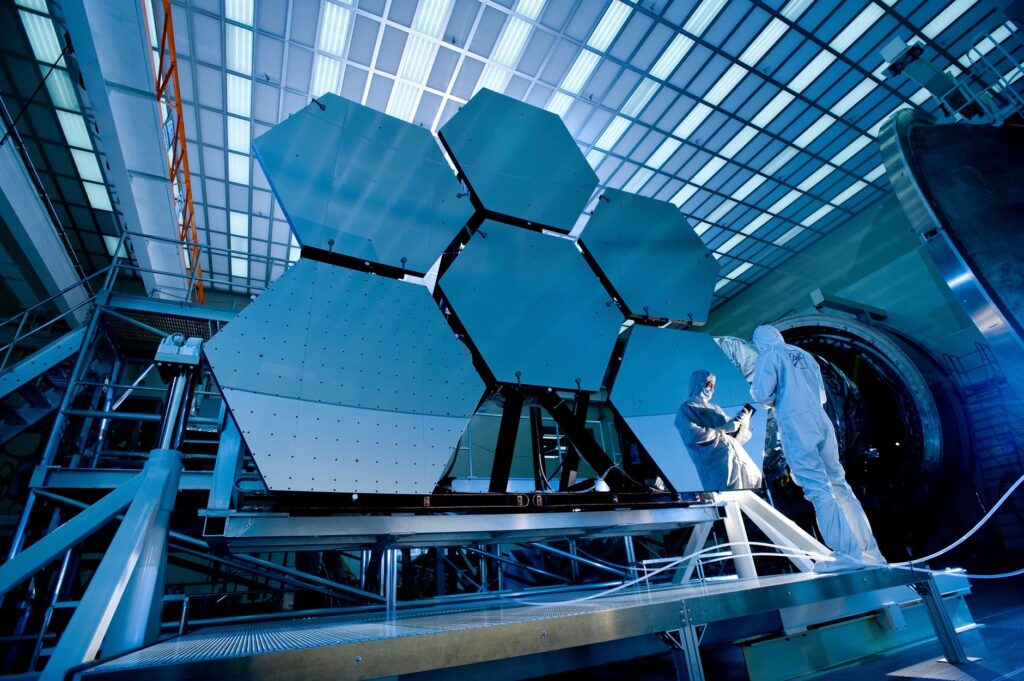
NASA’s Roman Space Telescope used only 18 kg of its 200 kg allocated fuel for its first mid‑course correction, potentially stretching its operational life to at least 22 years.
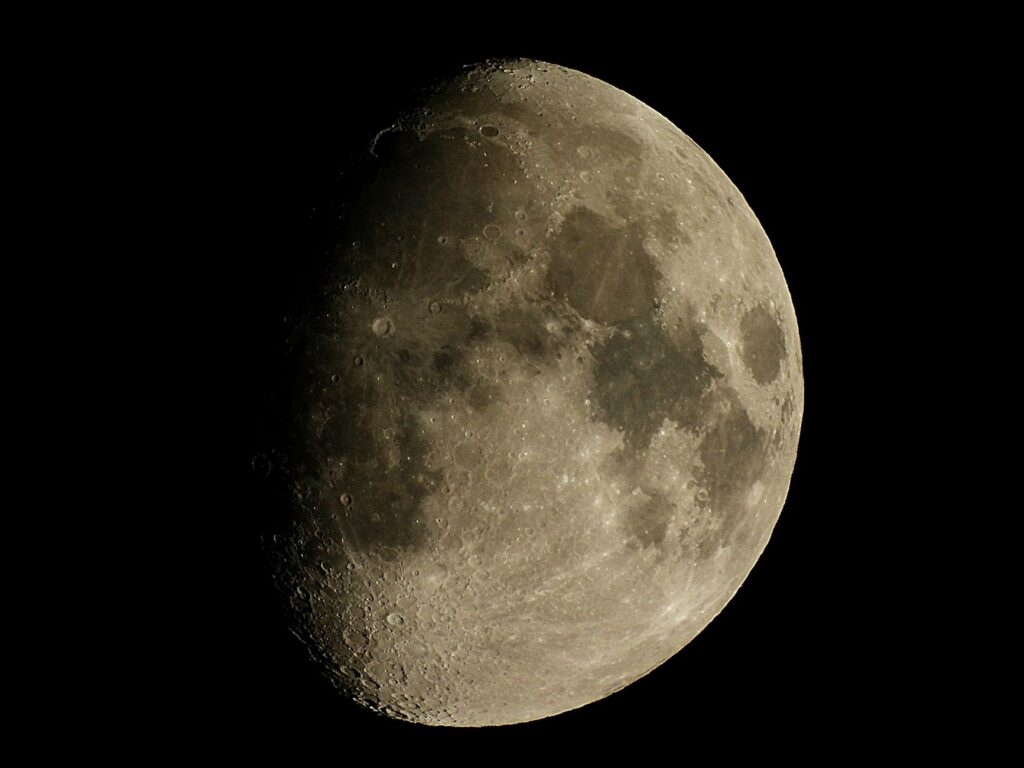
A 222‑metre crater named McGetchin, formed between April and May 2024, is the largest impact observed on any planetary body while under continuous observation.
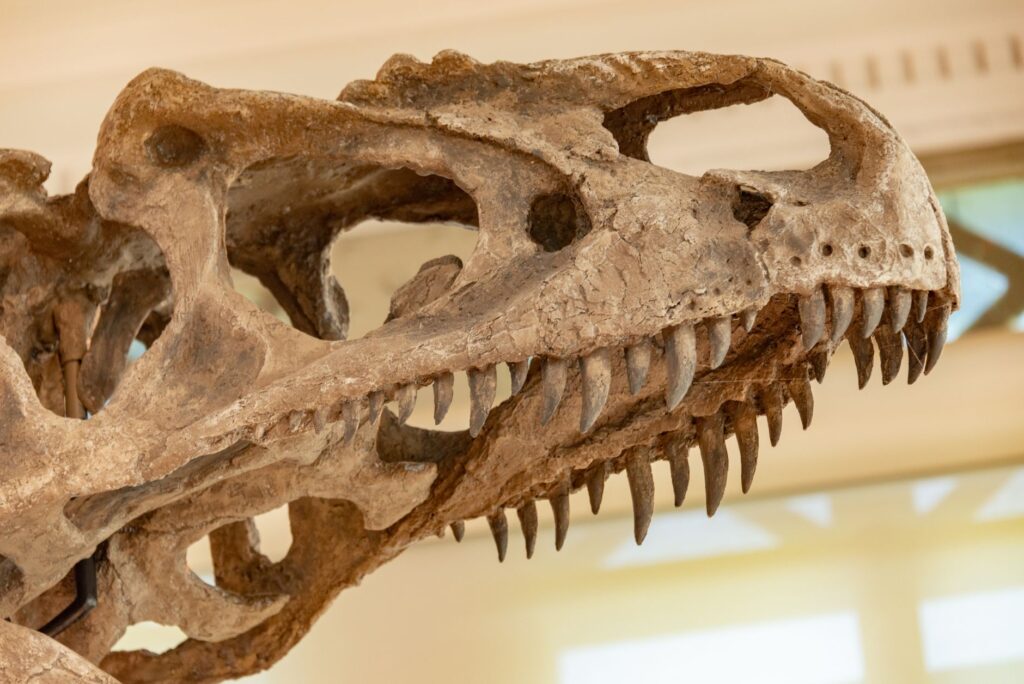
Analysis of three T. rex teeth suggests the predator maintained a body temperature around 36 °C, comparable to modern elephants and far warmer than contemporary crocodilians.