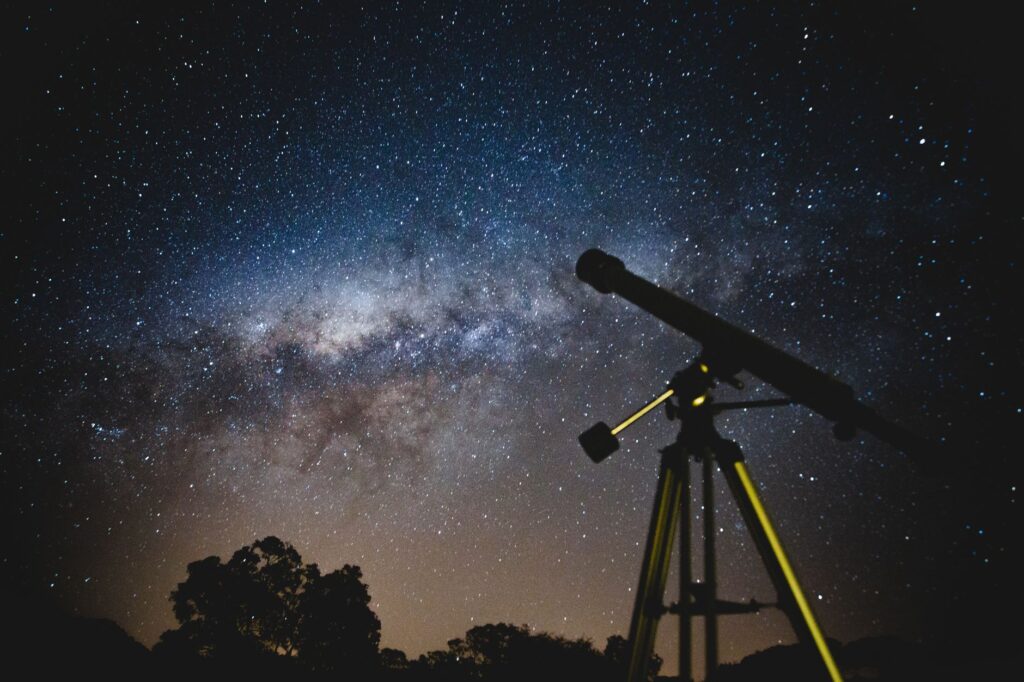
NASA reports that the Nancy Grace Roman Space Telescope, launched on Aug. 30, has used far less fuel than planned, extending its expected mission from 10 to 22 years.
Posts published in “Science”
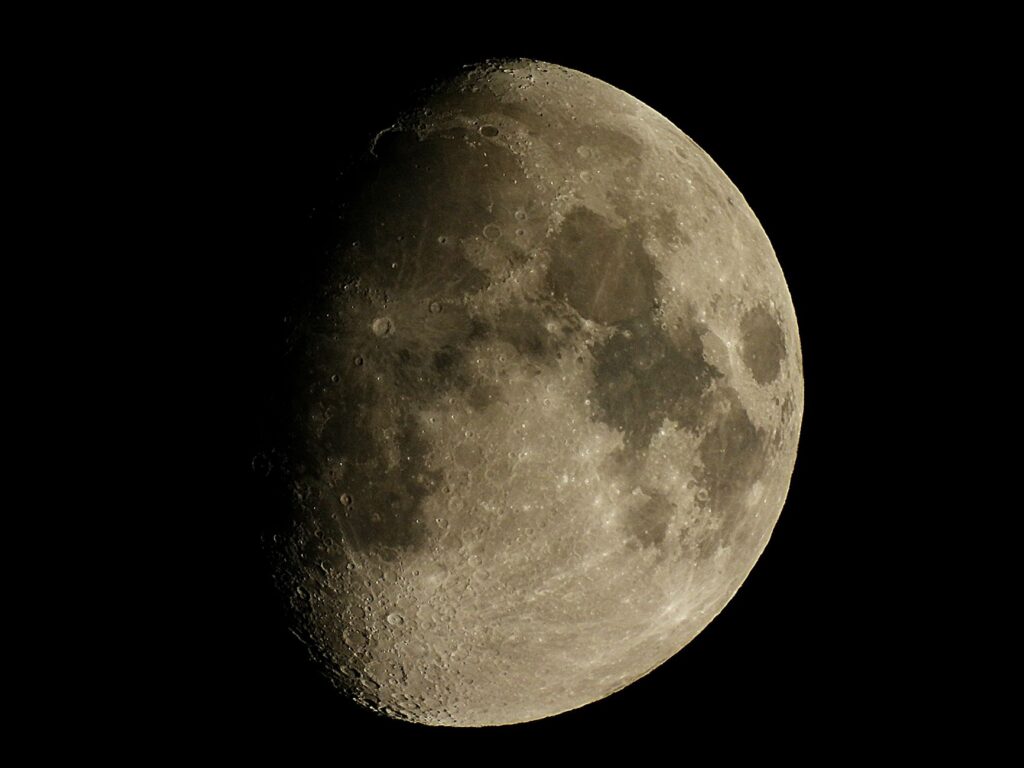
NASA researcher Robert Wagner spotted a bright patch on the Moon that turned out to be the largest newly formed impact crater ever recorded, now named McGetchin Crater.
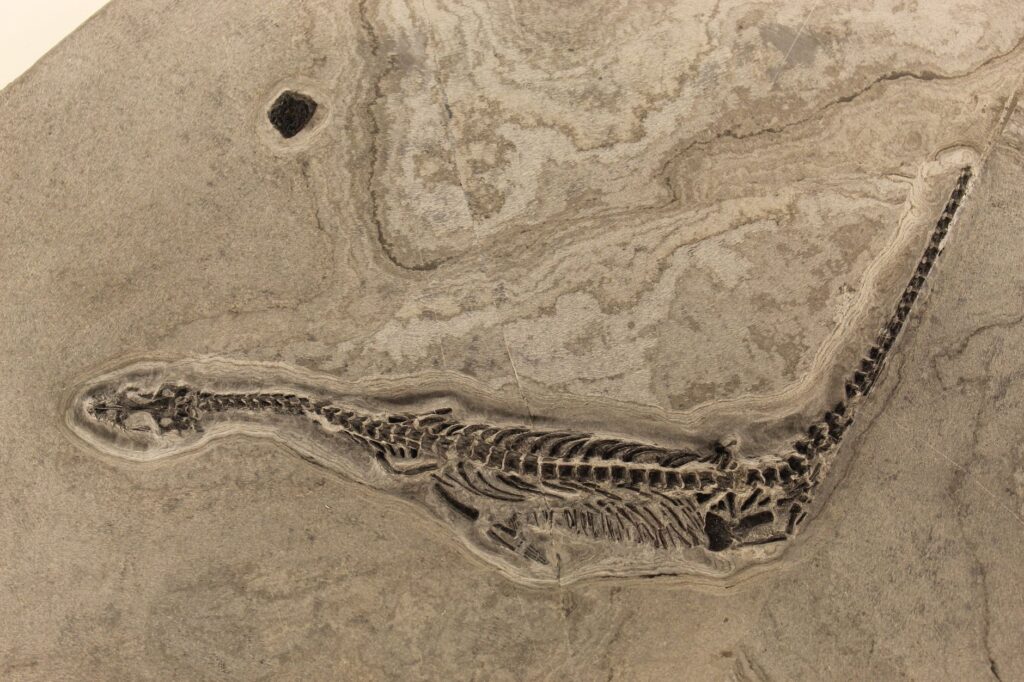
Paleontologists in Spain have identified the first confirmed Diplodocus fossils outside North America, shedding light on Late Jurassic dinosaur dispersal.
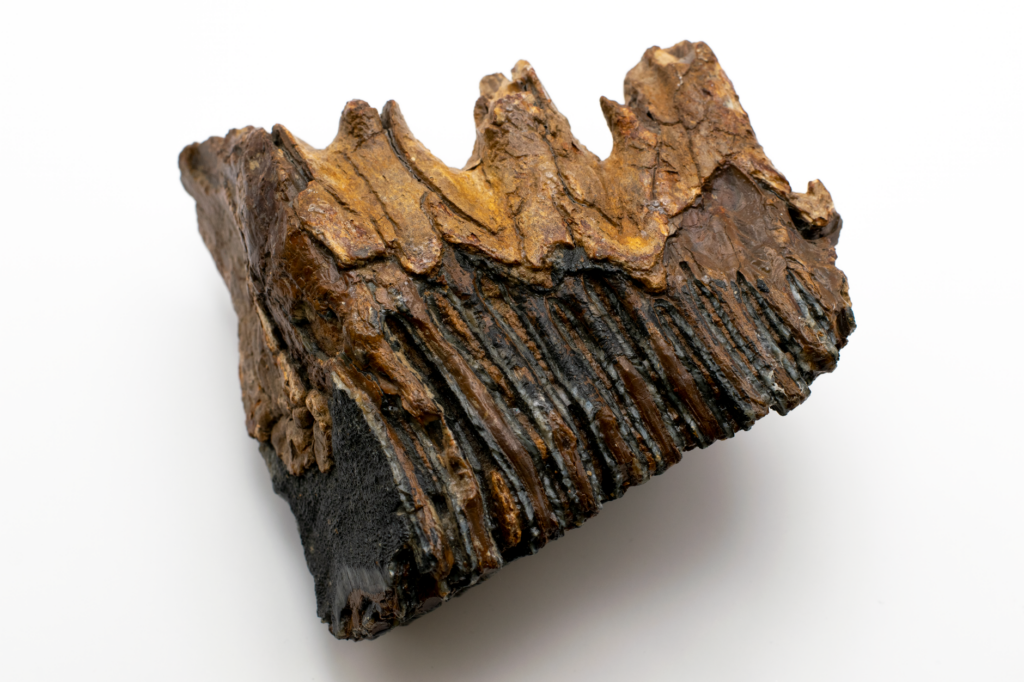
UCLA researchers used enamel isotope analysis to estimate a Tyrannosaurus rex body temperature of about 97 °F, supporting the idea that the iconic predator was warm‑blooded and active.
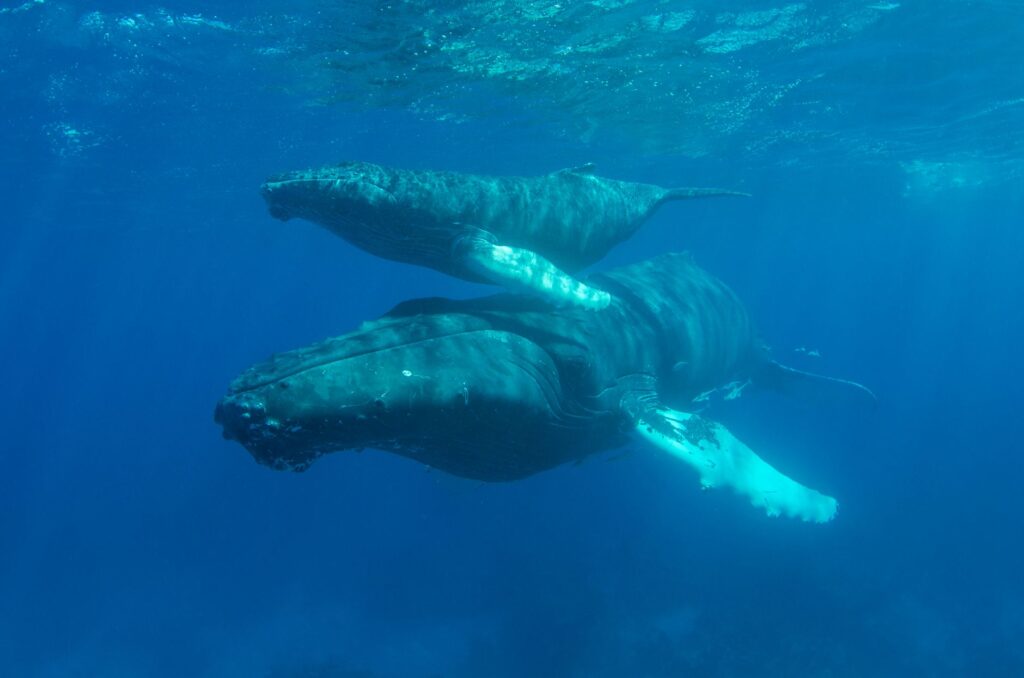
New research shows a female humpback whale staying beside a stillborn calf for hours, offering rare evidence of grief‑related behavior in the species.
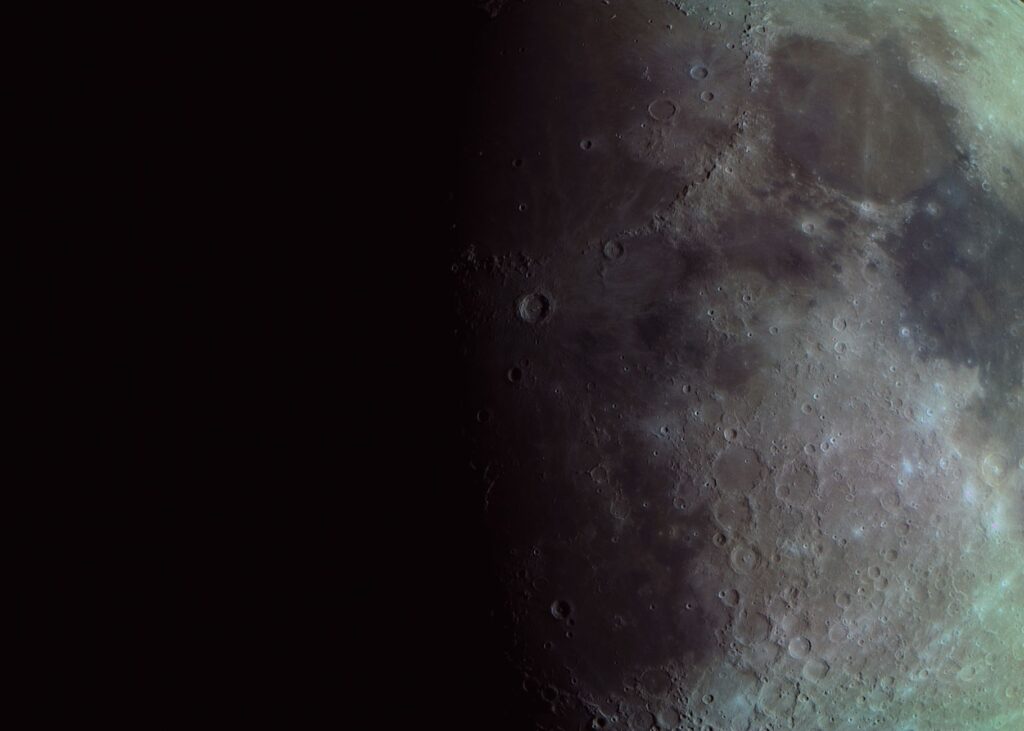
A newly formed 222‑meter crater named McGetchin, discovered by NASA’s Lunar Reconnaissance Orbiter, offers a rare, pristine impact site for lunar science.
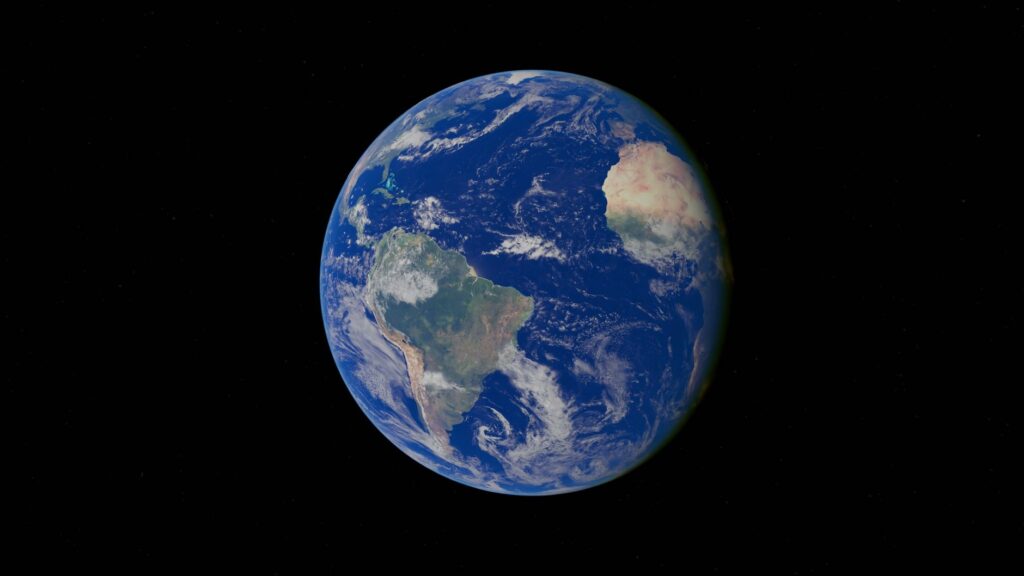
Computer simulations indicate that Venus' slow rotation and tidal interactions would have caused any early moon to spiral inward and be destroyed, eliminating the need for a later catastrophic event.
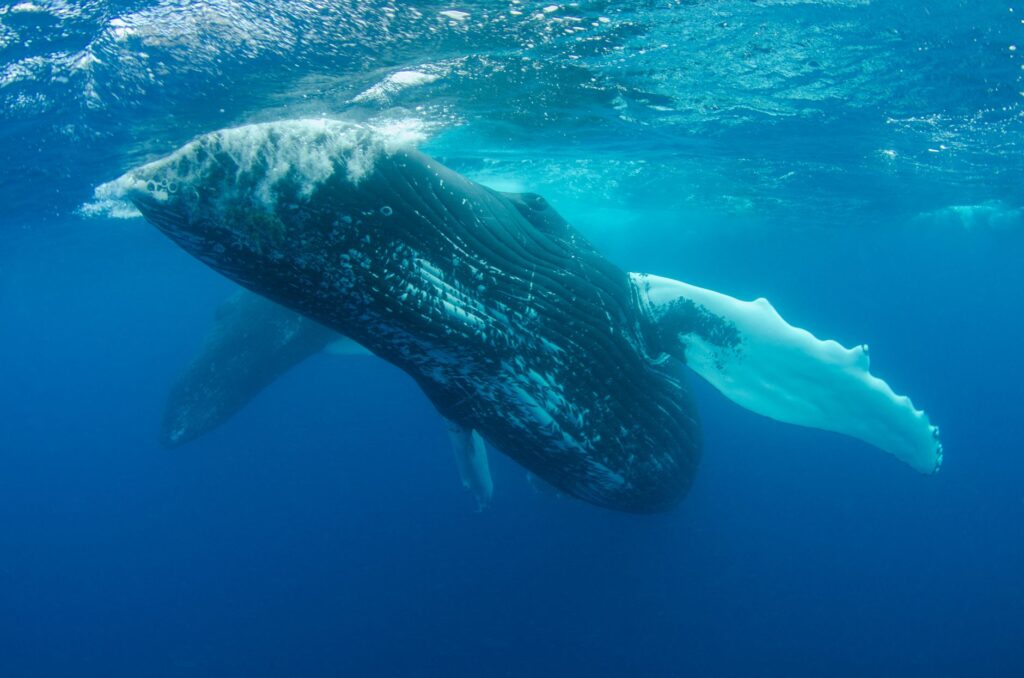
Underwater video captured a humpback whale repeatedly attending a motionless newborn calf off the Gold Coast, marking the first detailed record of such post‑mortem care in a baleen whale.
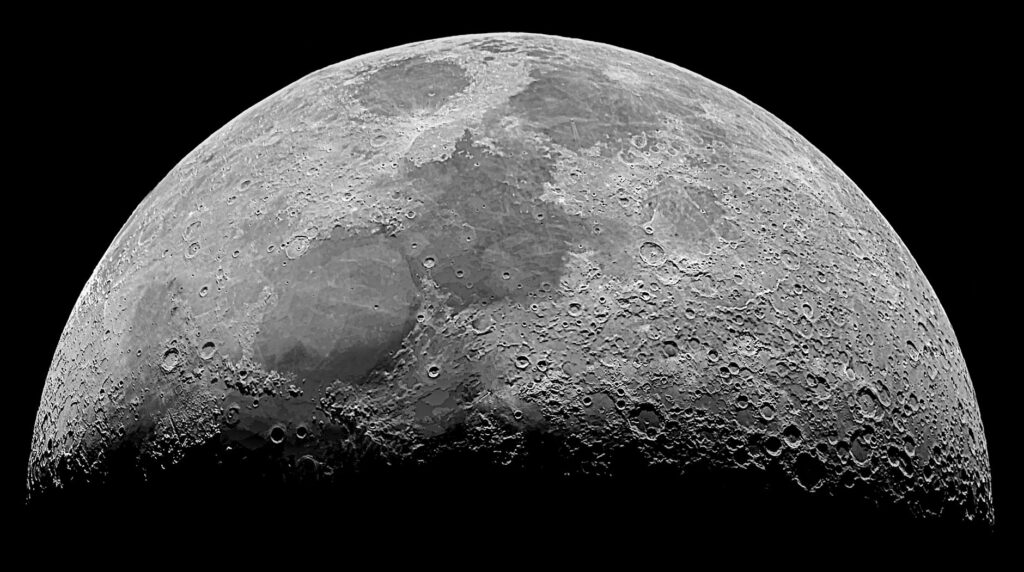
NASA's Lunar Reconnaissance Orbiter has identified a fresh crater on the Moon that measures about 728 feet across—larger than the Roman Colosseum—providing a rare glimpse of a recent impact.
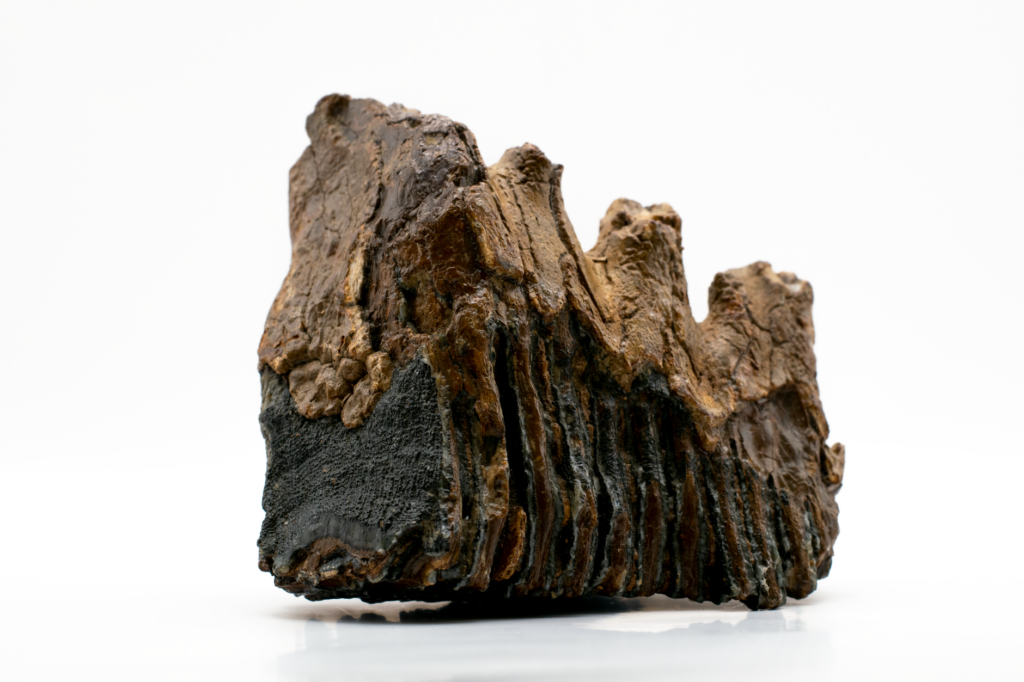
A feather preserved in a Montana coprolite offers new clues about why only one lineage of ancient birds survived the asteroid impact that ended the age of dinosaurs.