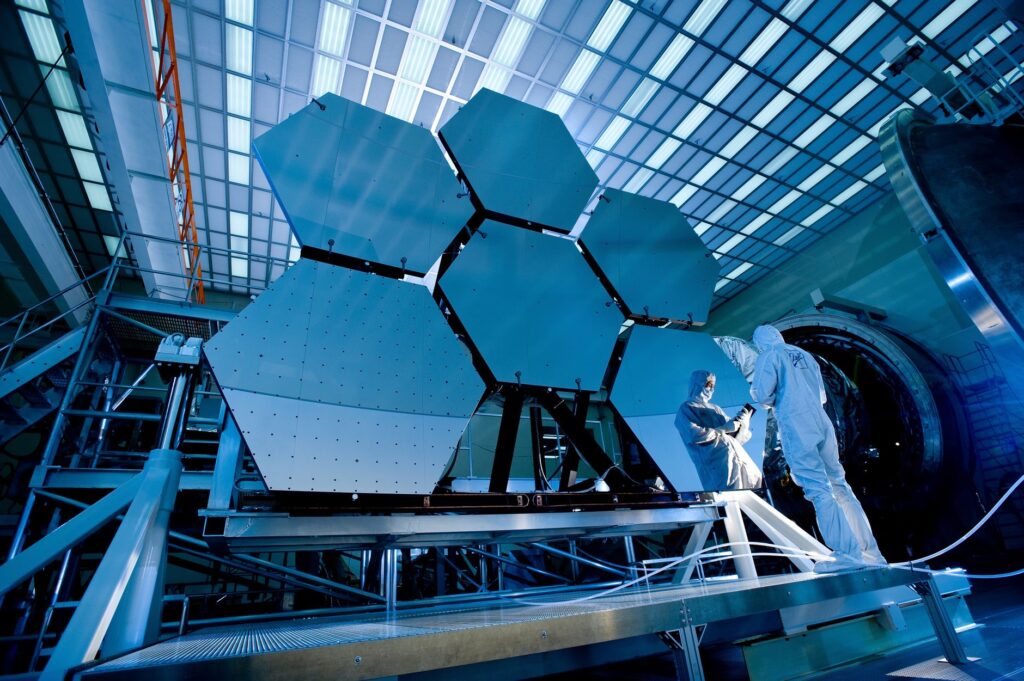
NASA says the Roman Space Telescope’s propellant will support at least 22 years of science, doubling the agency’s original lifetime estimate.
Posts published in “Science”
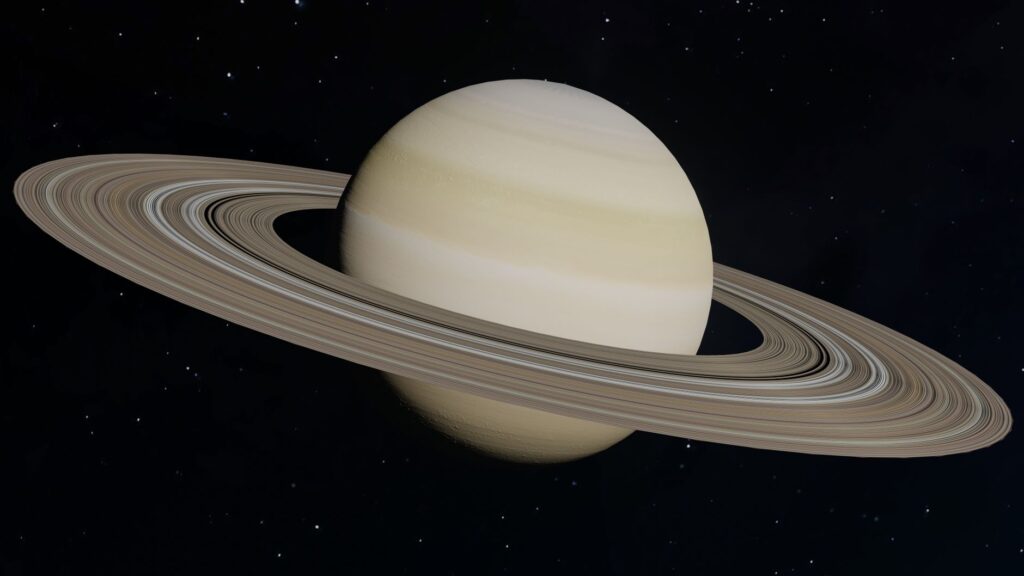
JWST observations reveal that Chariklo’s inner ring has become more opaque while its outer ring has faded, suggesting rapid changes in the distant centaur’s ring system.
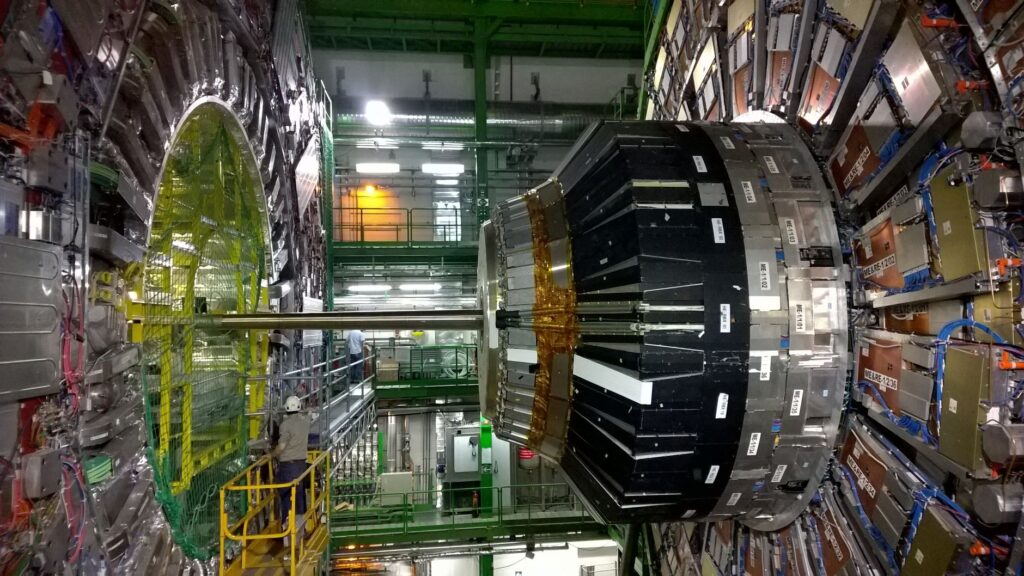
An international team behind the LZ detector observed a single high‑energy event in June 2023 that has a 0.5% chance of being background noise, sparking cautious optimism about a possible dark‑matter interaction.
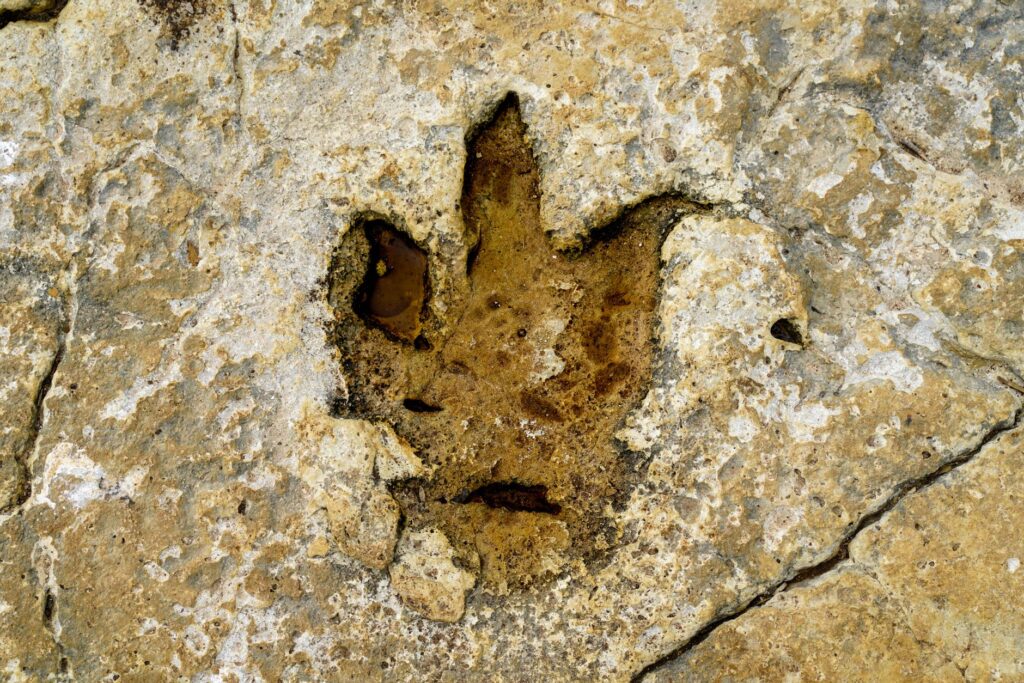
A newly described 7‑meter trackway in North Dakota provides the first confirmed footprints of an adult Tyrannosaurus rex, shedding light on the dinosaur's walking speed and behavior.
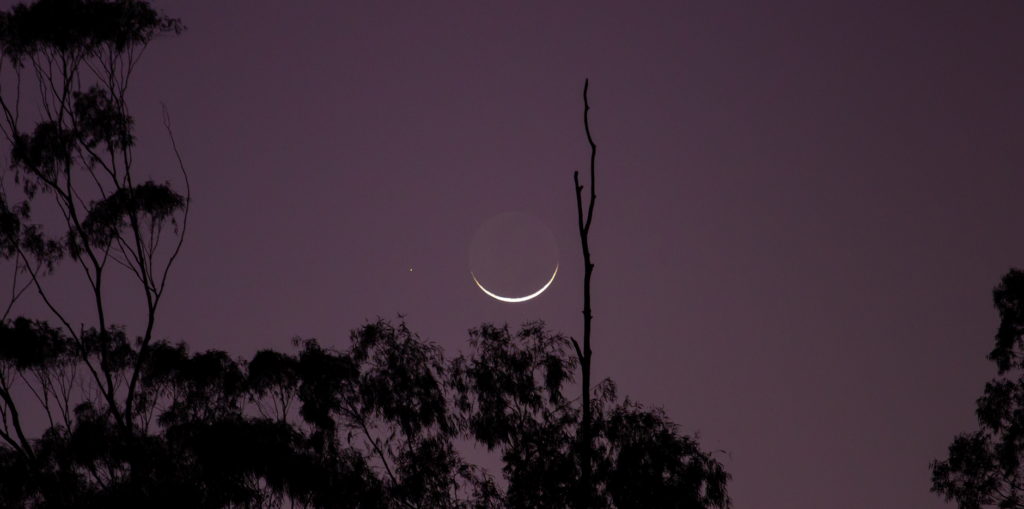
After sunset on Monday, a thin crescent moon will point the way to a brilliant Venus in the western sky, offering a striking view for skywatchers.
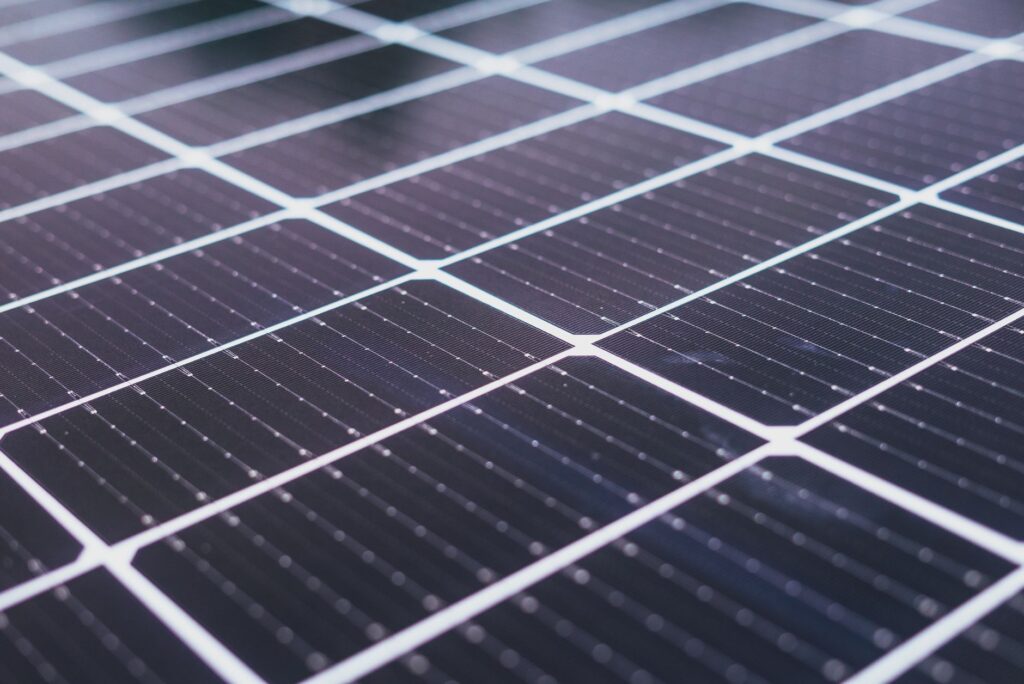
Researchers model a Carrington‑level solar storm and find the U.S. Northeast and Northern Plains could face widespread outages and billions in daily losses.
The LUX‑ZEPLIN collaboration reports a lone, unexplained particle event in its underground xenon detector that matches predictions for a dark‑matter interaction, though it falls short of a confirmed discovery.
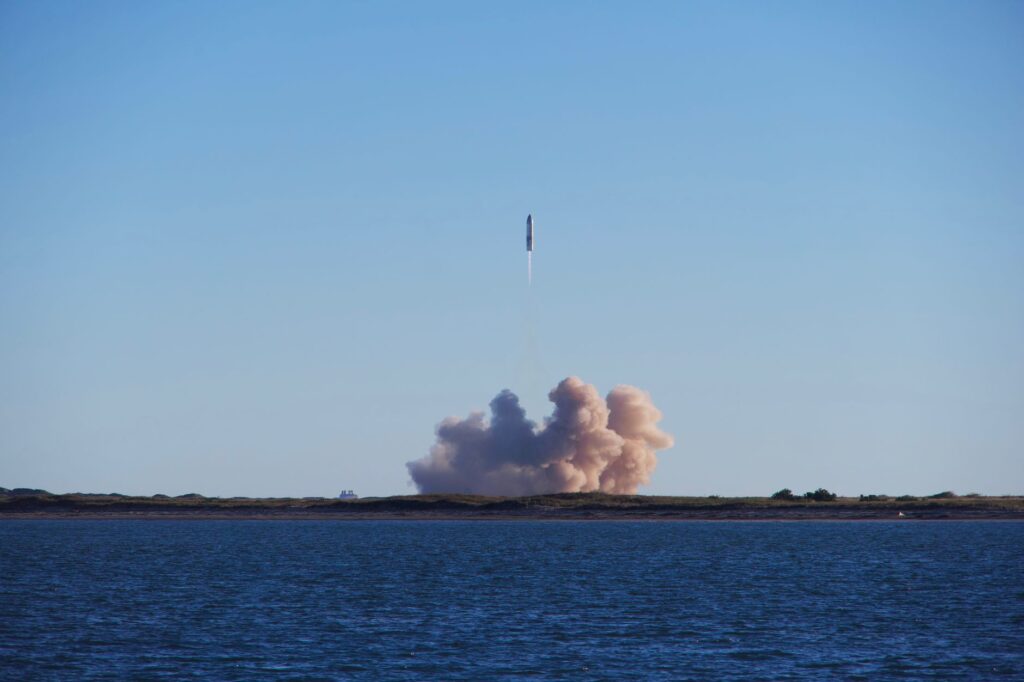
NASA lifted off the $4.3 b Roman Space Telescope on a Falcon Heavy, beginning a three‑month trek to Lagrange Point 2 to map billions of stars, probe dark energy and hunt thousands of new exoplanets.
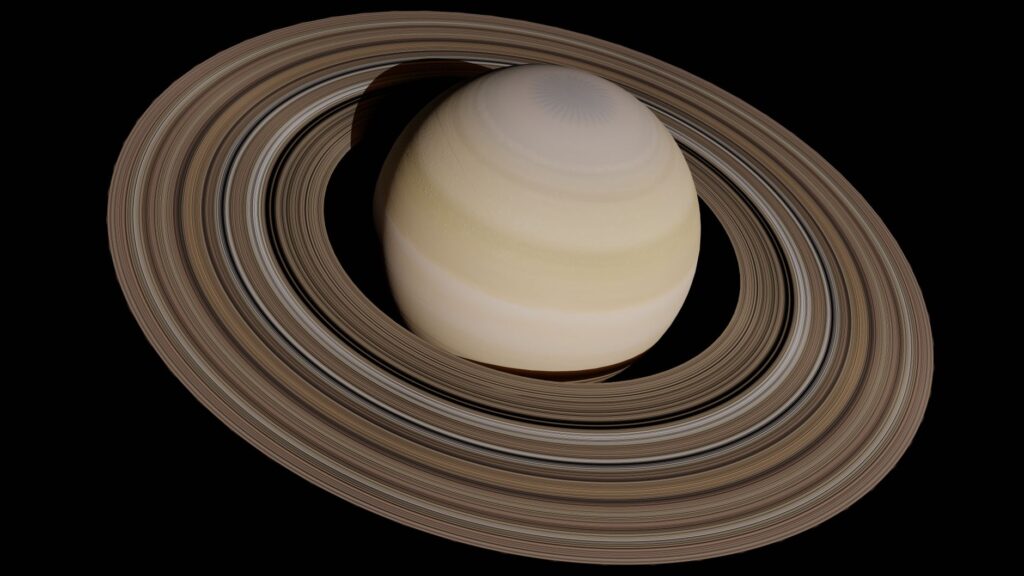
NASA and an international team have confirmed a giant decagonal wave surrounding Saturn’s south pole, a feature that was absent during the Cassini mission.
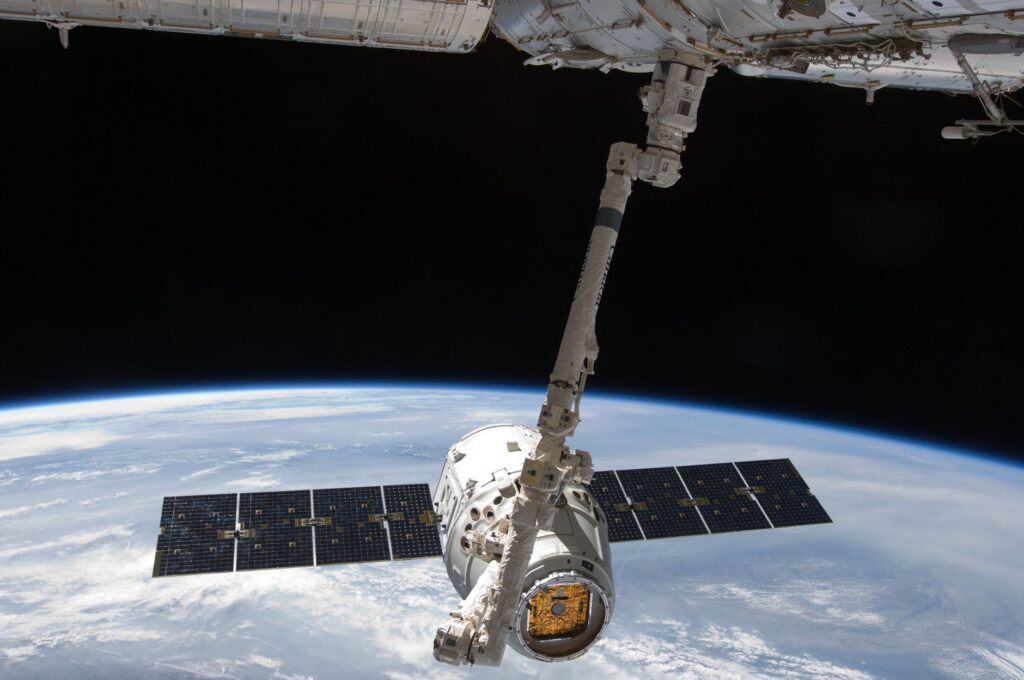
Katalyst Space Technologies’ Link spacecraft approached NASA’s aging Swift Observatory within 15 km but ran out of fuel, ending a $30 million rescue attempt.