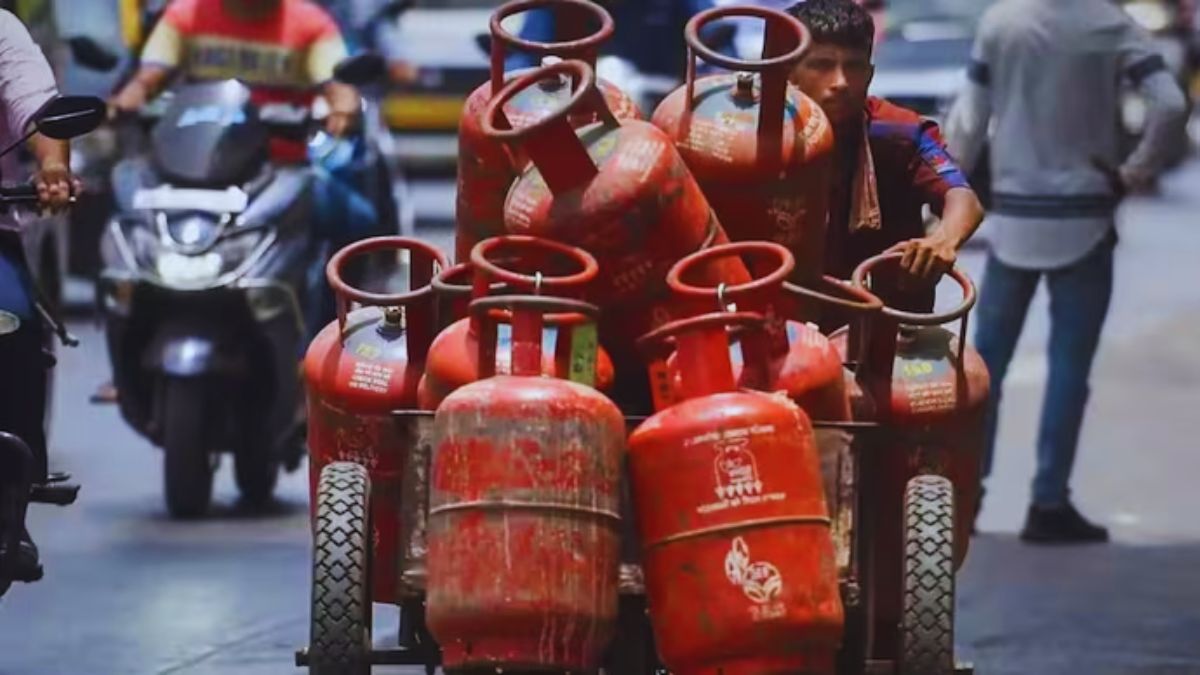
India has taken a significant step by signing its first structured, long-term agreement to import liquefied petroleum gas (LPG) from the United States.
The landmark deal, announced by Union Petroleum and Natural Gas Minister Hardeep Singh Puri, is aimed at diversifying supply sources at a time when global energy markets are becoming increasingly unpredictable.
Under the agreement, Indian state-run oil marketing companies will import around 2.2 million tonnes per annum (MTPA) of LPG from the US Gulf Coast for the contract year 2026. This quantity amounts to nearly 10% of India’s annual LPG imports, making it a major shift in the country’s sourcing strategy.
A First-of-Its-Kind Contract for India
This agreement marks India’s first structured LPG purchase contract with the United States and is benchmarked to Mont Belvieu, the key US pricing hub for LPG. A dedicated team from Indian Oil Corporation (IOC), Bharat Petroleum Corporation Ltd (BPCL), and Hindustan Petroleum Corporation Ltd (HPCL) held extensive discussions with leading American producers before finalizing the deal.
Calling it a “historic first,” Minister Puri highlighted that one of the world’s fastest-growing LPG markets is formally tapping US suppliers. According to him, expanding and diversifying India’s sourcing options is crucial to providing citizens access to affordable and reliable LPG.
Why This Deal Is Important
India is currently the second-largest LPG consumer in the world, driven by rapid household adoption and the ongoing expansion of the Ujjwala Yojana, which offers subsidized LPG connections to low-income families. As demand grows, the country now imports more than half of its total LPG requirement, primarily from West Asian producers.
By adding the US as a major supplier, India aims to:
- Reduce dependence on traditional markets
- Improve supply-chain resilience
- Protect consumers from extreme price fluctuations
- Broaden long-term energy partnerships
The focus on diversification has become especially important given recent global price instability. Puri noted that even as international LPG prices surged by more than 60% last year, Ujjwala beneficiaries continued to pay only INR 500–550 per cylinder. Actual market prices had reached nearly INR 1100, with the government absorbing the difference – amounting to more than INR 40,000 crore in subsidies to shield vulnerable households.
Strengthening India-US Energy Ties
The new deal is expected to significantly enhance India–US energy cooperation and may open the door for additional long-term contracts in the coming years. For Indian oil marketing companies, sourcing LPG from a new geography reduces risk and introduces greater pricing stability.
As LPG usage continues to rise across rural and urban regions, the government maintains that expanding and diversifying supply sources will remain a strategic priority. This agreement is seen as a key step toward ensuring that millions of Indian homes continue receiving secure, affordable, and uninterrupted LPG access in the years ahead.





Be First to Comment