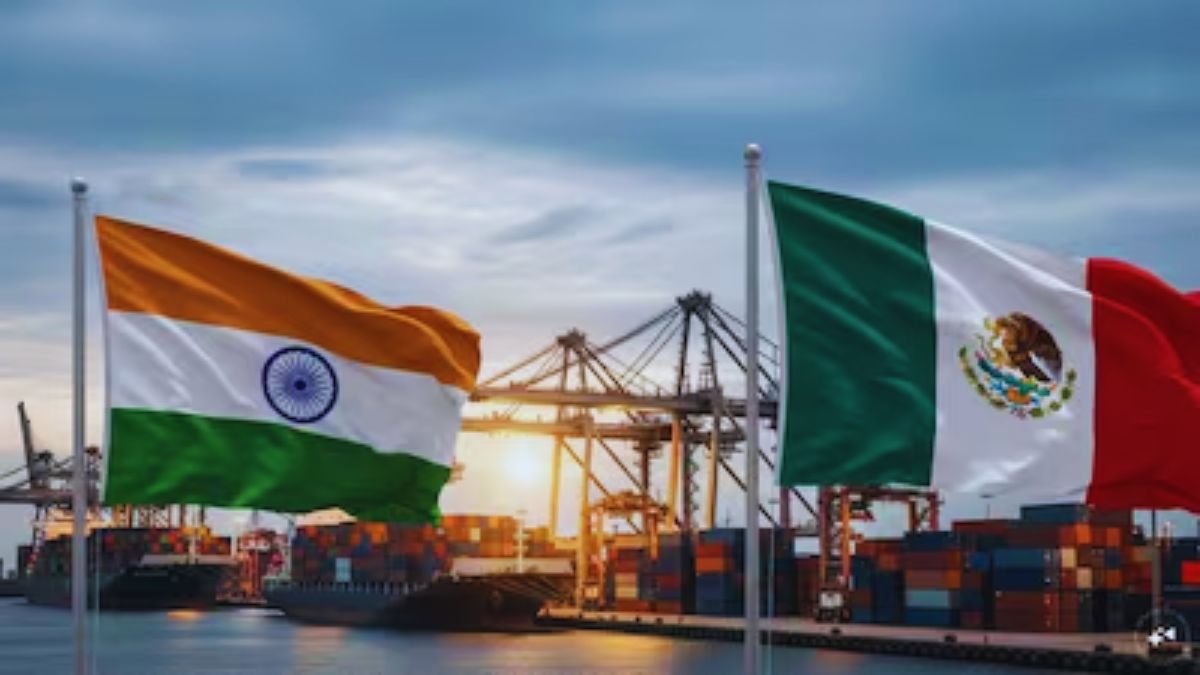
Mexico Approves Major Tariff Hike on Asian Imports to Protect Local Industry
Mexico has taken a new turn in its trade policy by approving a sweeping tariff package aimed at goods from Asian nations that do not have free trade agreements with the country. The legislation, passed by the Senate, signals a significant shift toward stronger trade barriers and closer ties with US economic priorities.
Senate Passes New Tariff Bill
In a decisive vote, Mexican lawmakers endorsed a bill imposing tariffs ranging from 5% – 50% on more than 1400 imported items, including fabrics, metals, machinery, electronics, and auto parts.
- The measure was approved with 76 votes in favor, 5 against it, and 35 abstentions, reflecting both strong support and pockets of resistance within the political establishment.
- This new tariff imposition is set to take effect next year, expected to primarily target China, whose growing export presence in Mexico has drawn intense political attention.
Alignment With US Trade Pressures
The tariff decision comes as Mexican President Claudia Sheinbaum engaged in high-stakes negotiations with US President Donald Trump, amid pressure to harmonize trade practices with Washington.
- Although Sheinbaum has denied coordinating the tariffs with US interests, the structure and intent of the new tax slabs closely mirror America’s own restrictions on Chinese goods.
- US officials have long expressed concern about trans-shipment – Chinese goods entering the US borders through nations with easier trade access.
- Mexico’s move is widely seen as an effort to curb such practices and reduce friction with the United States.
- Canada’s earlier adoption of similar duties on Chinese steel, aluminum, and electric vehicles further underscores a growing North American alignment.
Impact on Mexico’s Manufacturing and Revenue Goals
The Finance Ministry projects the new tariffs will generate nearly 52 billion pesos (approximately US $2.8 billion) in revenue in the new year 2026. However, domestic manufacturers who depend on Asian raw materials warned of potential cost increases that could pressure consumer prices and widen inflationary risks.
- Companies sourcing raw material inputs from China, India, and South Korea are particularly concerned, as many rely on competitively priced Asian components to remain viable in global markets.
- One of the most significant provisions includes a 50% tariff on Chinese-made automobiles. China currently occupies around 20% of Mexico’s car market, a dramatic rise from minimal levels just a few years ago.
- The local automobile groups and government officials argue the steep tariff is necessary to shield domestic vehicle production, a core pillar of Mexico’s industrial output.
Economy Ministry Gains Power to Modify Tariffs
An additional measure gives Mexico’s Economy Ministry an authority to adjust tariffs without requiring new congressional approval.
- This flexibility is designed to ensure stable supply chains and competitive import prices, particularly for industries dependent on foreign inputs.
- The mechanism is expected to be a critical tool as Mexico prepares for the upcoming review of the USMCA (United States Mexico Canada Agreement) trade agreement with their counter countries.
For decades, Mexico has been one of the world’s strongest advocates of free trade, maintaining a vast network of international agreements. However, the new tariff structure represents a strategic shift toward protecting national industries and reducing reliance on low-cost Asian imports.
Chinese officials have strongly condemned the move, calling the tariffs unjustified and damaging to bilateral trade relations. As the new levies take effect, Mexico enters a new phase of economic policy – surrounded by geopolitical pressures, domestic needs and global supply chain situations.






Be First to Comment