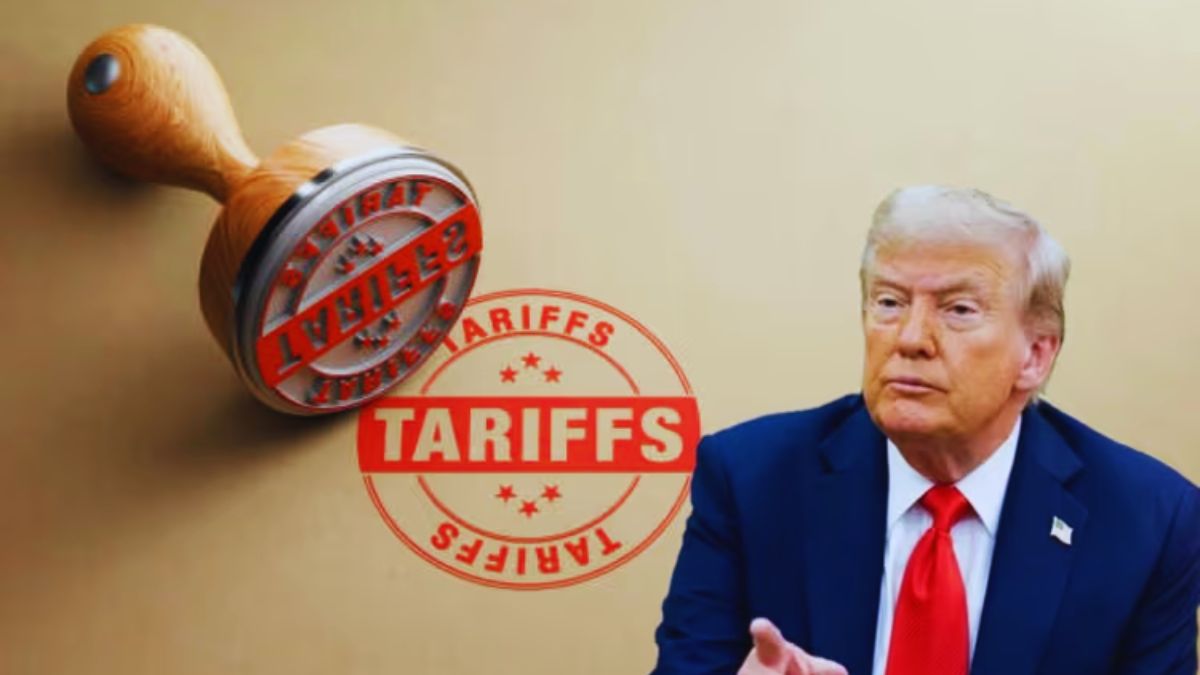
In a significant policy shift aimed at controlling the rising consumer costs, U.S. President Donald Trump on signed an executive order eliminating tariffs on a wide range of imported commodities, including beef, coffee, and various tropical fruits.
The decision makes it Trump administration’s one of the most direct responses to the growing frustration over rising prices, particularly among the American households that are struggling with inflation-hit budgets.
The announcement follows notable Democratic victories in this month’s off-year elections in Virginia and New Jersey. Exit polls showed that economic concerns topped the list of priorities for voters, a trend that probably contributed heavily to the Democrats’ strong performance.
- The results were widely interpreted as a warning signal for the Trump administration, underscoring the public’s unease over increasing costs of living.
- Trump’s official order comes after months of debate over whether U.S. tariffs – particularly those imposed earlier this year have contributed to price hikes.
Rising Beef Prices a Central Concern
One of the most pressing issues has been the surge in beef prices, which reached record highs in recent months. Trump had previously acknowledged the problem and promised a quick action, especially as criticism mounted over the growing tariffs, on major exporters such as Brazil. Analysts have noted that these tariffs played a role in tightening supply and driving up retail costs.
In the new executive order, the president removed tariffs not only on beef but also on a broader list of essential imports, which will include tea, cocoa, fruit juices, bananas, oranges, tomatoes, spices, and selective fertilizers. Many of these items are not grown within the United States, strengthening the argument that tariff removal could ease pressure on consumers without harming the domestic producers.
New Trade Understandings with Latin American Nations
The policy shift comes shortly after Washington reached framework agreements with Ecuador, Guatemala, El Salvador, and Argentina.
- These agreements are designed to reduce import levies on agricultural goods from these nations. Trump had hinted earlier in the week that he was considering steps to lower tariffs on coffee, a move now reflected in the executive order.
- The Trump administration maintains that these revised trade terms will help increase the flow of agricultural products into the U.S. market, potentially easing supply shortages and pushing down the existing prices.
Economic Issues Loom Large Over Trump’s Agenda
Throughout his campaign and presidency, Trump has repeatedly emphasised ‘economic revival‘, promising to fight inflation while revamping American manufacturing. However, voters continue to grapple with higher prices for everyday essentials – ranging from groceries to electricity and housing. The recent election outcomes reflect a growing impatience among the electorate, even as Trump insists that his policies have strengthened the broader economy.
The removal of tariffs marks a strategic attempt to tactfully address the cost-of-living concerns ahead of a politically charged year. Whether consumers will feel relief soon and whether the move will shift voter sentiment toward his side, is something that remains to be seen for the times to come.

Helene Elliott is the Lead Science & Space Reporter at News Raise. She reports on aerospace missions, astrophysics discoveries, quantum research, and environmental technology.