Trump Signals Potential New Tariffs on Indian Rice Amid Rising Farmer Concerns
US President Considers Fresh Duties on Key Agricultural Imports
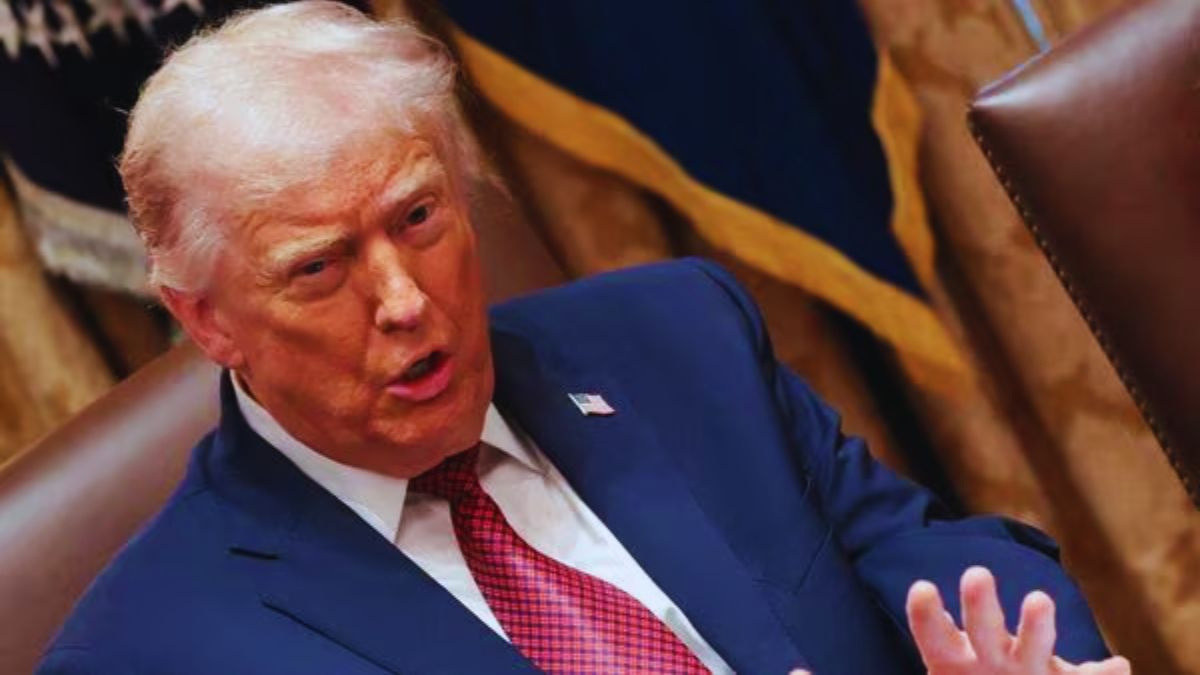
US President Donald Trump has indicated that his administration is weighing new tariffs on agricultural imports, with Indian rice and Canadian fertilizer emerging as primary targets. The remarks were made during a White House meeting on December 8, where the President unveiled a new $12 billion support package aimed at stabilizing income for American farmers who say they are struggling with cheap foreign imports.
The comments come at a sensitive moment in US–India trade negotiations, which have been ongoing for months without meaningful progress. A US delegation is scheduled to travel to New Delhi later this week for another round of discussions, but Trump’s latest signaling may complicate the diplomatic landscape.
Farmers Raise Alarm Over “Dumping” of Cheaper Imports
During the meeting, several American farmers expressed frustration that lower-priced agricultural goods from India, Vietnam, and Thailand are undercutting domestic producers. Rice farmers, in particular, have pointed to falling market prices and rising production costs as they deal with a competitive global supply landscape.
Trump questioned why Indian rice was entering the US market so cheaply, asking Treasury Secretary Scott Bessent whether India had been granted any special tariff exemptions. Bessent clarified that India was not exempt and that discussions were ongoing. In response, Trump said he would ‘take care‘ of alleged dumping practices, adding that he had heard multiple complaints from domestic growers.
Existing Tariffs Already High on Indian Goods
India currently pays a steep 50 percent tariff on many of its exports to the United States, a duty imposed by the Trump administration in August 2025 as a penalty for New Delhi’s continued oil trade with Russia during the ongoing Ukraine conflict. New, targeted agricultural tariffs would further heighten trade tensions between the two countries.
Although Trump did not specify the magnitude of any upcoming duties, analysts expect that rice and fertilizer could face substantial increases if Washington decides to move ahead.
Increased Pressure on Indian Exporters
Additional tariffs could place significant financial strain on Indian agricultural exporters, particularly rice producers who rely heavily on the US as a high-value market. Higher duties may reduce price competitiveness, increase logistics costs, and potentially redirect export flows to alternative markets.
Agriculture has long been a point of contention in India–US trade negotiations. Washington has been pushing New Delhi to open its agricultural sector to a wider range of American products; a request India has resisted due to domestic political and economic sensitivities. The prospect of new tariffs risks hardening negotiation positions on both sides.
Domestic Political Considerations in the US
Trump’s comments also reflect mounting pressure from his political base. With inflation and consumer prices remaining stubbornly high, the President faces growing demands from farmers—a key voter segment—to shield them from global price swings and cheaper imports.
As both countries prepare for another round of diplomatic talks, the possibility of new US tariffs introduces fresh uncertainty. Any escalation could reshape agricultural trade flows, intensify geopolitical frictions, and create new challenges for exporters on both sides of the Pacific. The coming weeks will be critical in determining whether negotiations can offset the potential economic impact of Trump’s latest tariff threat.

Helene Elliott is the Lead Science & Space Reporter at News Raise. She reports on aerospace missions, astrophysics discoveries, quantum research, and environmental technology.