US Seizes Sanctioned Oil Tanker Near Venezuela, Intensifying Diplomatic Standoff
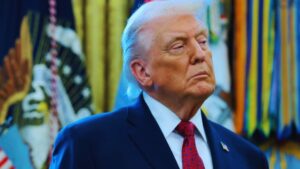
US–Venezuela tensions surged this week after American forces intercepted and seized a heavily sanctioned oil tanker operating off the Venezuelan coast. President Donald Trump confirmed the operation during remarks at the White House, calling the ship “the largest tanker ever seized” and signaling that more actions may follow.
The intervention represents a significant escalation in US policy, shifting pressure from financial sanctions to direct maritime enforcement. The tanker, identified as the Skipper, was reportedly headed toward Cuba and had long been associated with illicit crude shipments linked to sanctioned networks.
A Major Blow to Venezuela’s Oil Lifeline
According to a senior administration official, the seized tanker was classified as a stateless vessel that previously docked in Venezuela. The media reports published in Bloomberg hinted of the interception, which is expected to further complicate Venezuela’s already strained crude export operations. The nation, heavily dependent on oil sales to China through intermediaries, may find even fewer shippers willing to risk sanctions after this seizure.
- The ship, a very-large crude carrier (VLCC) capable of transporting roughly 2 million barrels of oil, was sanctioned in 2022 under the name Adisa for allegedly supporting Iranian oil exports.
- Although the tanker was flying the Guyana flag, Guyana’s Maritime Administration denied any official connection to the vessel.
Dramatic Footage of the Operation
US Attorney General Pam Bondi released a video on X depicting heavily armed personnel descending from a Black Hawk helicopter via fast-rope — a tactic commonly used in commando operations. Bondi stated the tanker had been part of a years-long network moving illicit oil to support foreign terrorist groups. It remains unclear whether the operatives involved were from the US Coast Guard or elite military units.
Venezuela Condemns Operation as “Piracy”
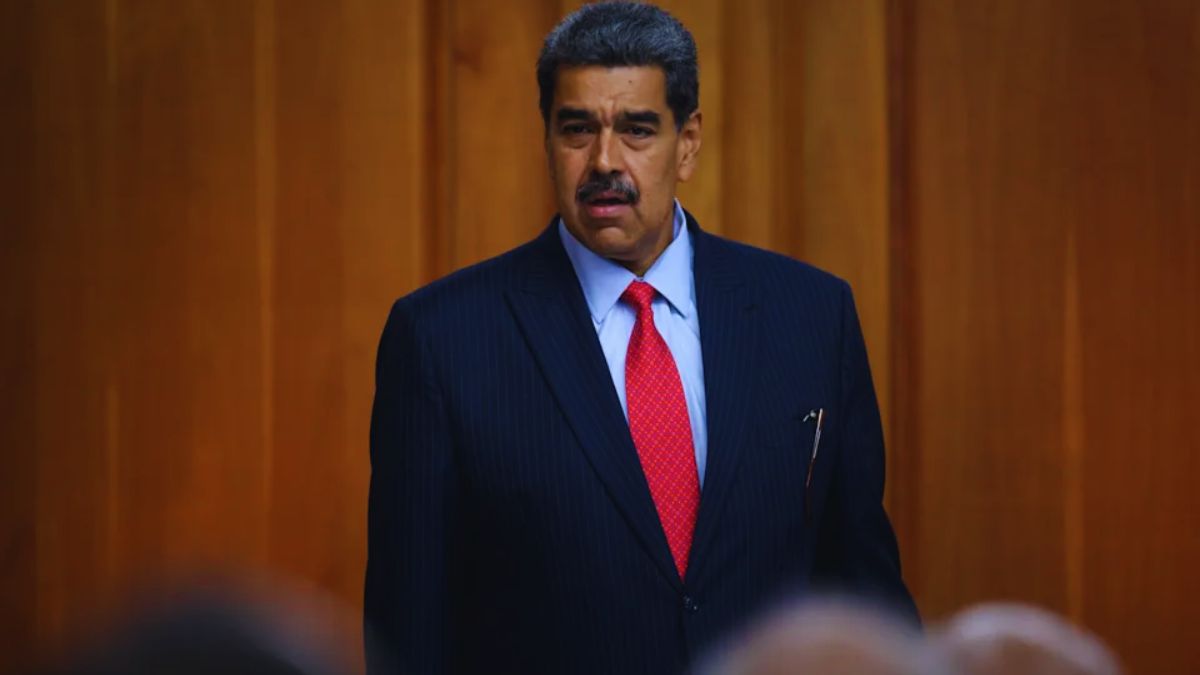
The Venezuelan government issued a strongly worded statement condemning the seizure as “blatant theft” and an “act of piracy.” Officials asserted that the operation was proof that US hostility was fundamentally driven by a desire to control Venezuela’s vast natural resources.
However, the Caracas (capital city of Venezuela) vowed to defend the country’s sovereignty with absolute determination, portraying the tanker incident as the culmination of long-standing geopolitical aggression.
Broader Context: An Escalating US Strategy
US officials have long accused President Nicolás Maduro’s government of using covert channels — often involving Cuba — to sell sanctioned crude.
- The Pentagon has intensified maritime operations in the region, conducting more than 20 strikes against suspected narco-trafficking vessels near Venezuela and Colombia, resulting in over 80 fatalities.
- President Trump has repeatedly warned that Maduro’s ‘days are numbered,’ hinting at the possibility of broader military action.
- Energy analysts state the tanker seizure marks a new phase in the US approach – described as a move of clear escalation from passive sanctions to active prohibition.
- This level of enforcement could place a geopolitical floor under oil prices, as even moderate disruptions to shipping routes can sway market sentiment.
Maritime law expert Matthew Thomas noted that the risk of vessel seizure will discourage even marginal operators from transporting Venezuelan crude. “Most mainstream tankers’ trade already avoids Venezuela,” and this adds yet another layer of deterrence.
Domestic Implications in Venezuela
The timing of the seizure coincided with opposition leader María Corina Machado receiving the Nobel Peace Prize, an event likely to intensify political pressure on Maduro. In recent months, Venezuela has deployed troops, aircraft, drones, and naval units in response to what the government claims are escalating US threats.
Meanwhile, the national oil firm PDVSA continues operations with limited partners such as Chevron, which maintains activity under a special US Treasury license exempting it from sanctions.

Helene Elliott is the Lead Science & Space Reporter at News Raise. She reports on aerospace missions, astrophysics discoveries, quantum research, and environmental technology.