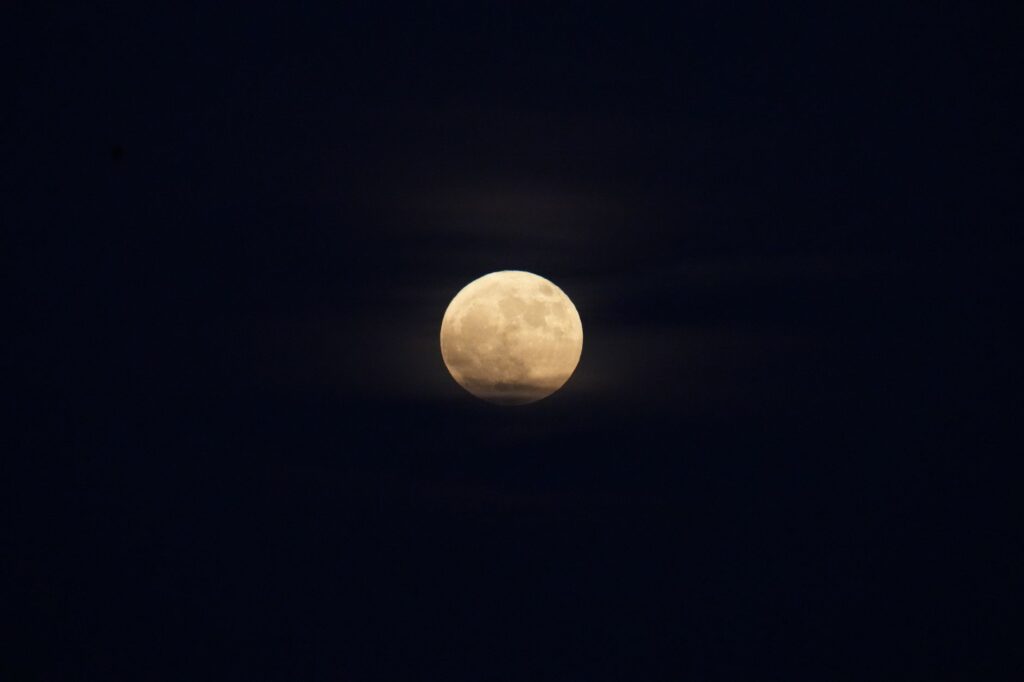
The September harvest moon reaches peak brightness Saturday, while Saturn rises near it from Friday through Monday, offering a rare double display for sky‑watchers.
Posts published in “Science”
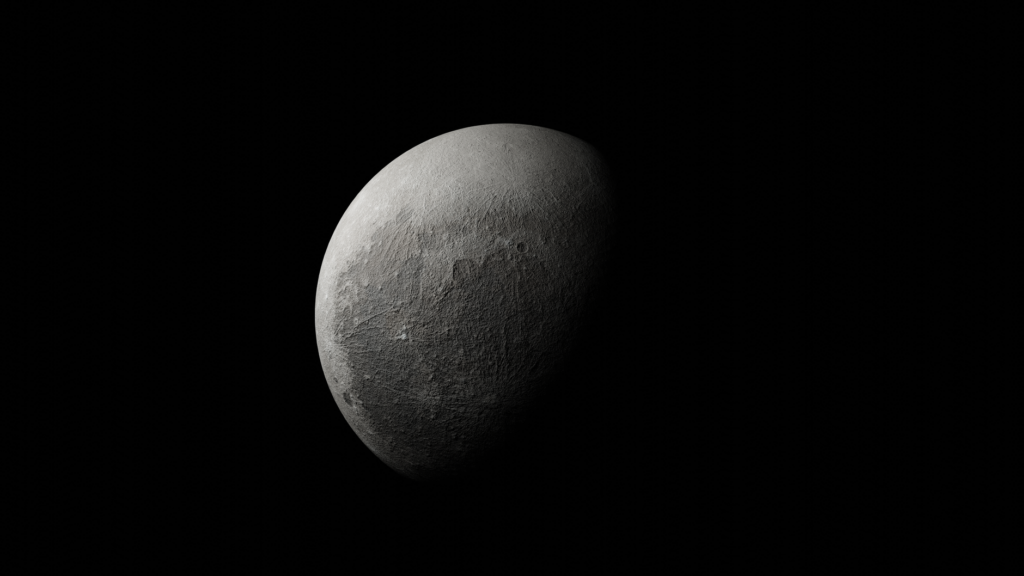
New research suggests microscopic life could persist in Saturn’s moon Enceladus and that its icy plumes may naturally prepare samples for future spacecraft.
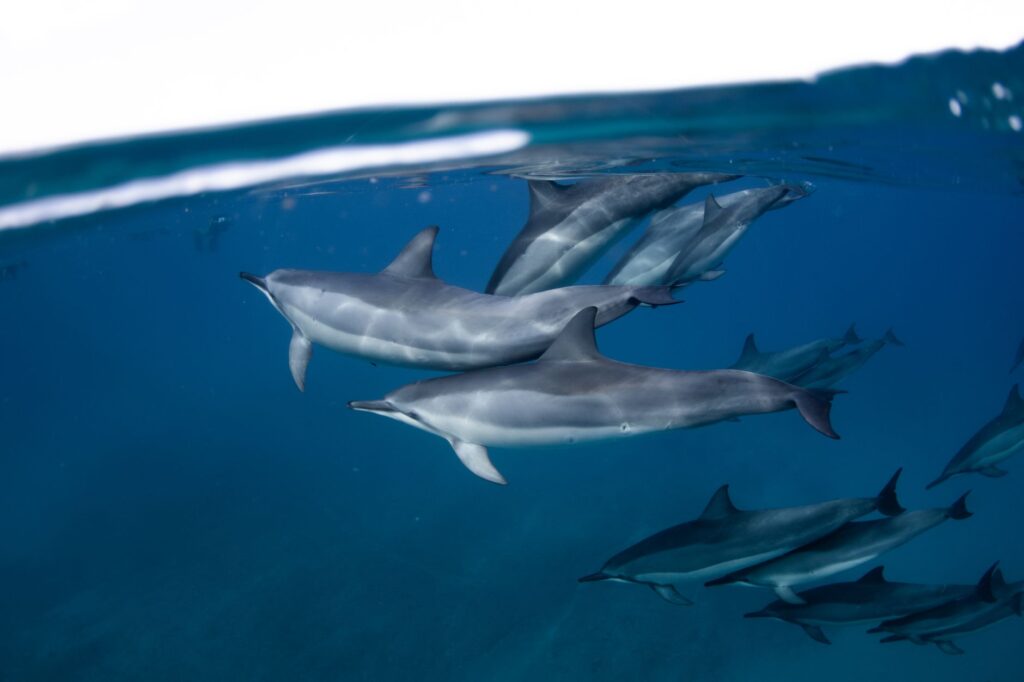
Researchers observed a dolphin named Bubbles repeatedly forcing trevally to regurgitate prey, marking the first recorded case of this kleptoparasitic behavior in a marine mammal.
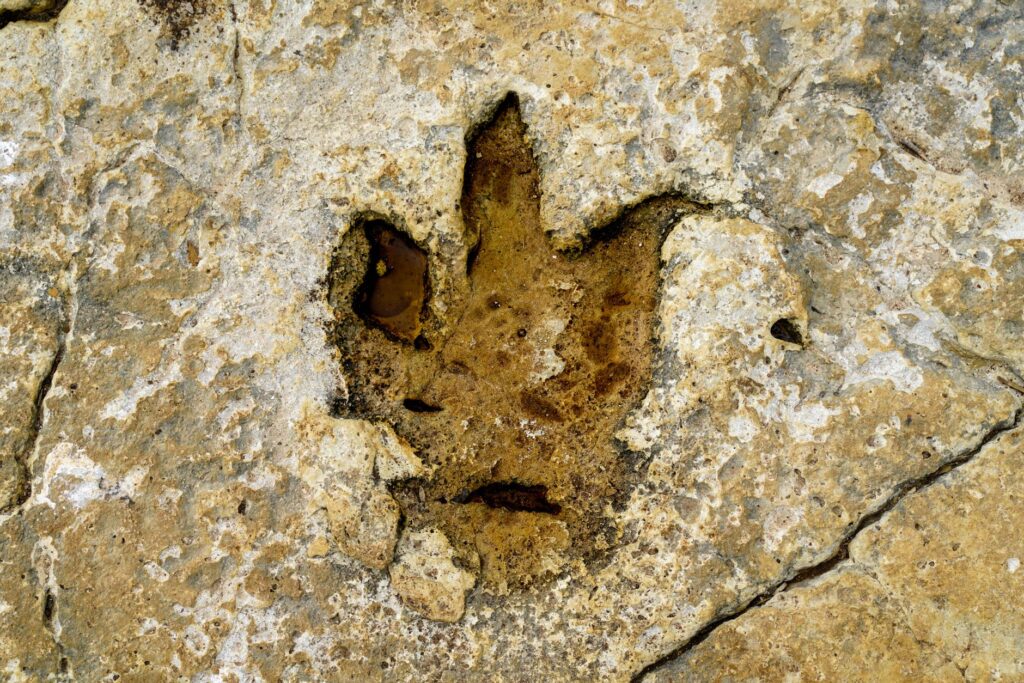
A team of paleontologists has uncovered the first known adult Tyrannosaurus rex trackway, revealing stride length, speed and behavior of the iconic predator.
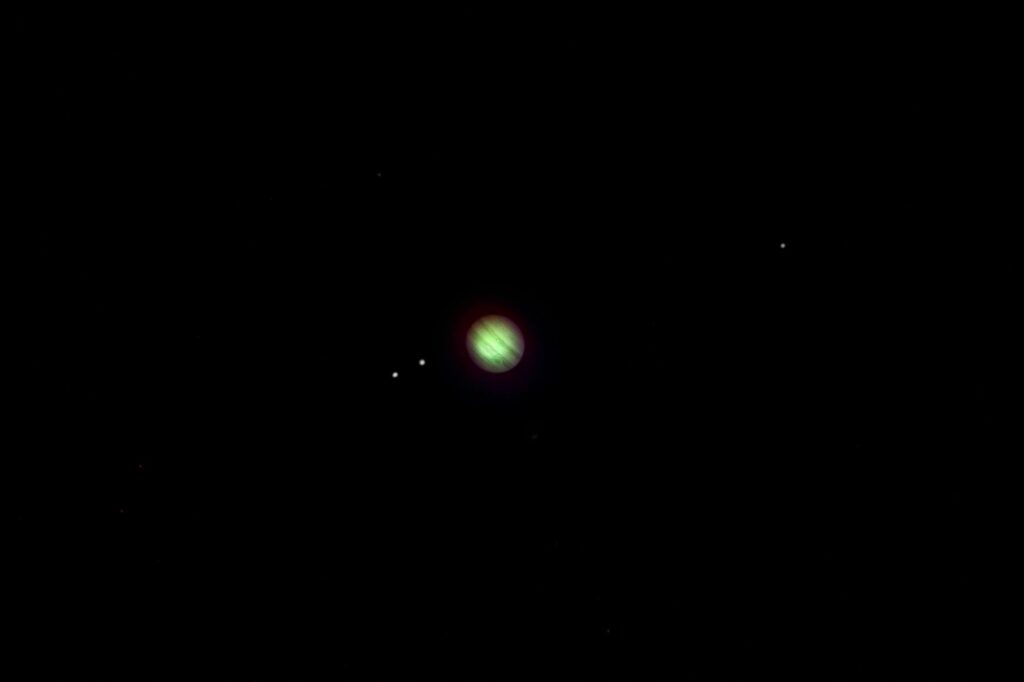
Late September offers a chance to see all five naked‑eye planets and the Harvest Moon without a telescope.
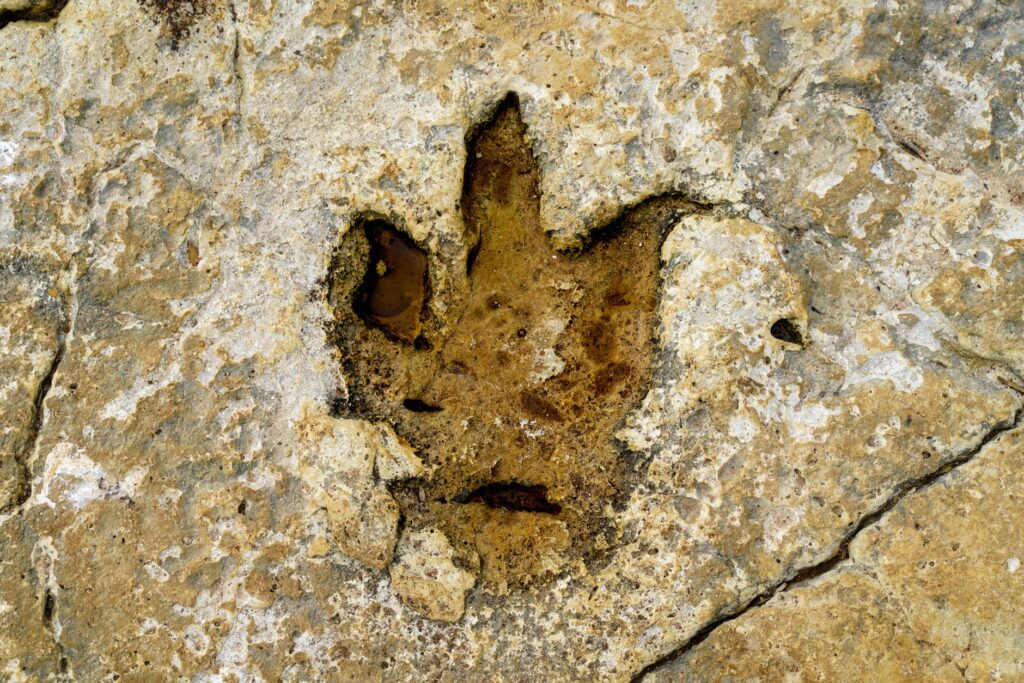
A Colorado high‑school teacher uncovered the first confirmed Tyrannosaurus rex trackway in the Hell Creek Formation, offering new insight into the predator's gait and speed.
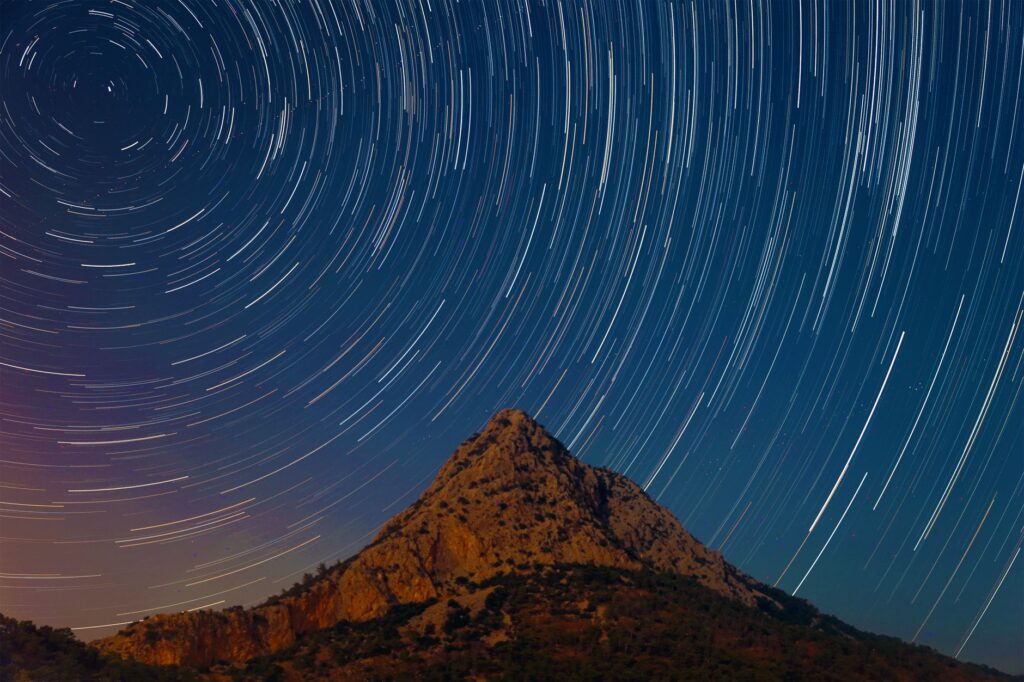
Caltech researchers unveiled a high‑resolution video of blazar 3C 345, using a new algorithm to reveal plasma jets moving toward Earth.

A new study combining chromosome‑level genomes from 103 bat species with a detailed fossil dataset revises the bat family tree and places the origin of powered flight in late‑Palaeocene Europe.
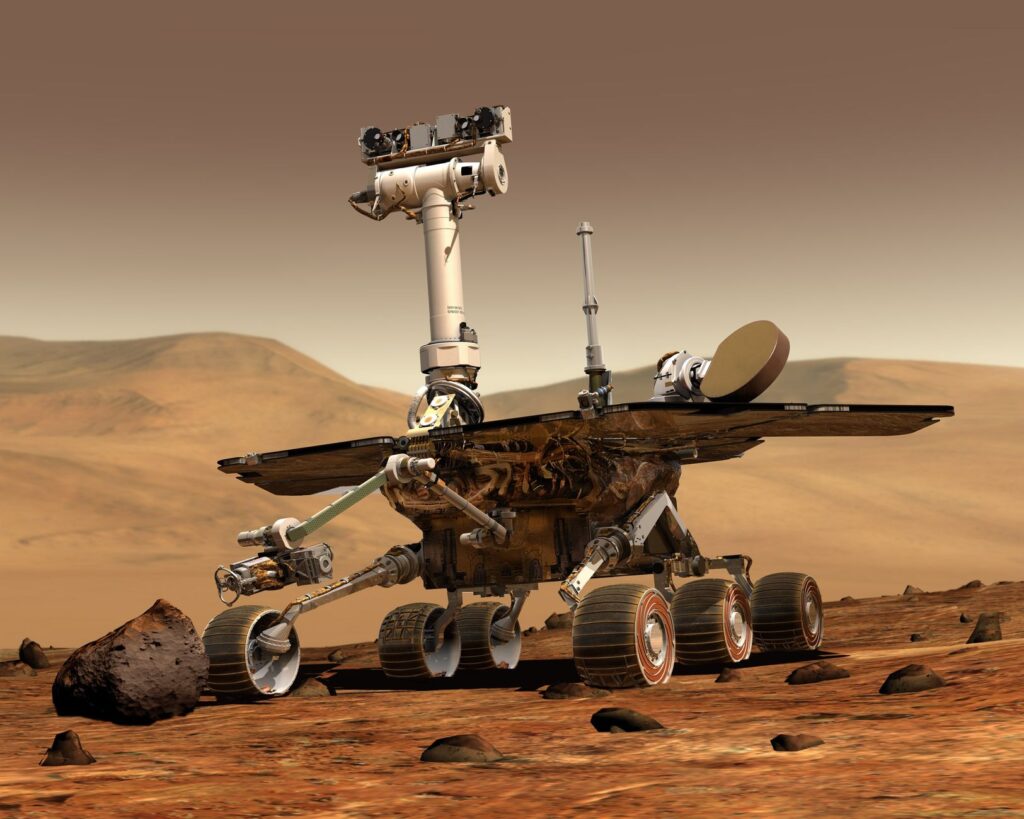
NASA's Perseverance rover uncovered igneous rocks that interacted with water multiple times in Jezero Crater, reshaping ideas about Mars' ancient climate and habitability.
NASA activated the Nancy Grace Roman Space Telescope’s 300‑megapixel camera, producing its first test images—blurred “green donuts”—as engineers begin months of calibration.