
NASA’s Swift telescope re‑entered Earth’s atmosphere on Nov 4, but its archive includes a stunning ultraviolet image of the Andromeda galaxy captured in 2008.
Posts tagged as “gamma-ray bursts”
The Swift Gamma‑Ray Burst Explorer burned up over northern Sumatra on Nov. 4, ending a 22‑year mission after a planned rescue spacecraft failed to reach it.
The Neil Gehrels Swift Observatory, launched in 2004 to study gamma‑ray bursts, will re‑enter Earth’s atmosphere uncontrolled on Nov. 4, with most of the 3,200‑lb satellite expected to burn up.
NASA says the aging Swift space telescope will likely re‑enter Earth’s atmosphere on Nov. 4, with a minimal chance of harm to people on the ground.
The 22‑year‑old Swift telescope is set to re‑enter Earth’s atmosphere after a failed rescue mission, with most of the 1½‑ton satellite expected to burn up.
NASA’s Swift Observatory performed its final observation on Oct. 20 and is slated to re‑enter Earth’s atmosphere within weeks, ending a 20‑year mission that reshaped high‑energy astronomy.
NASA announced the end of the Swift observatory after a private rescue attempt by Katalyst Space fell short, leaving the aging telescope to re‑enter Earth’s atmosphere.
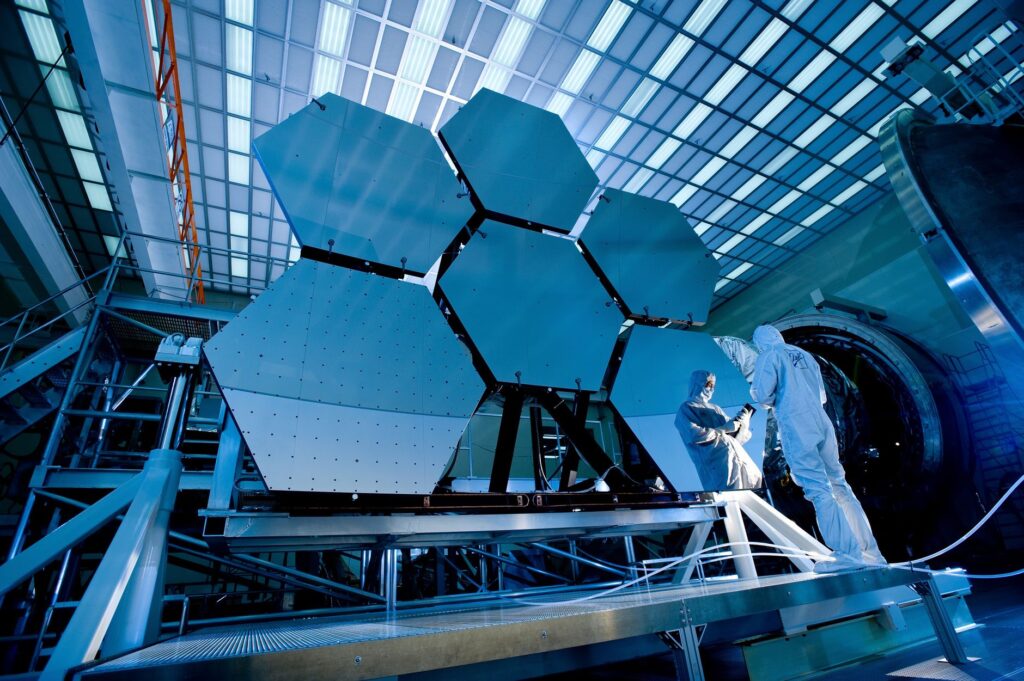
NASA is investing $30 million in a novel rescue mission to extend the life of the nearly 22-year-old Swift Observatory, an instrument crucial for detecting gamma-ray bursts.
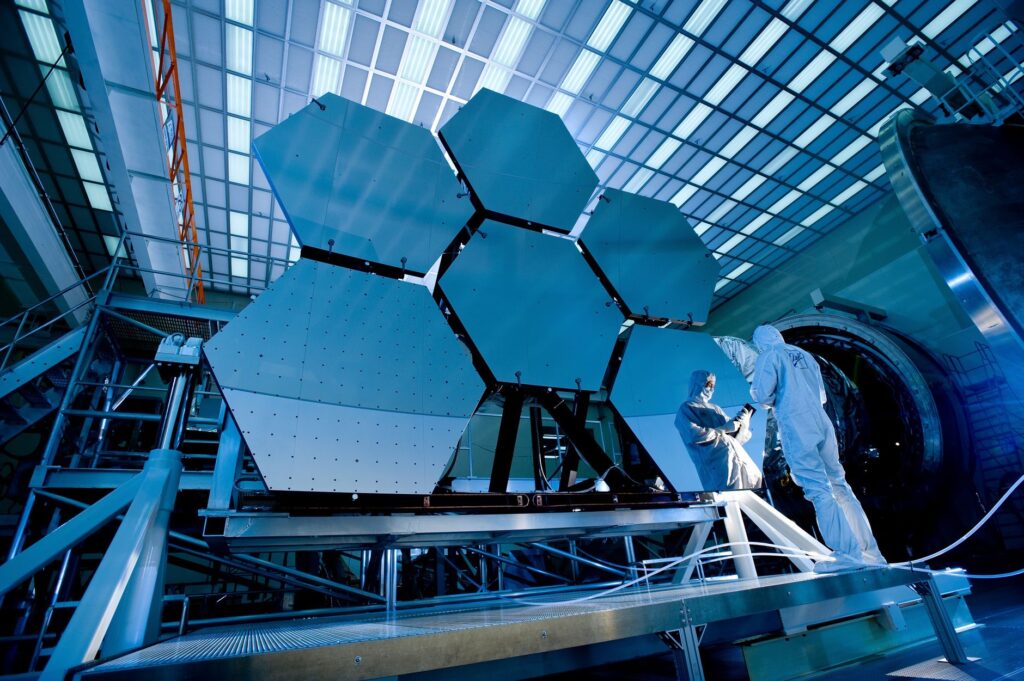
NASA is undertaking an unprecedented mission to save its Swift space observatory from deorbiting by using a novel spacecraft to boost it into a higher orbit.