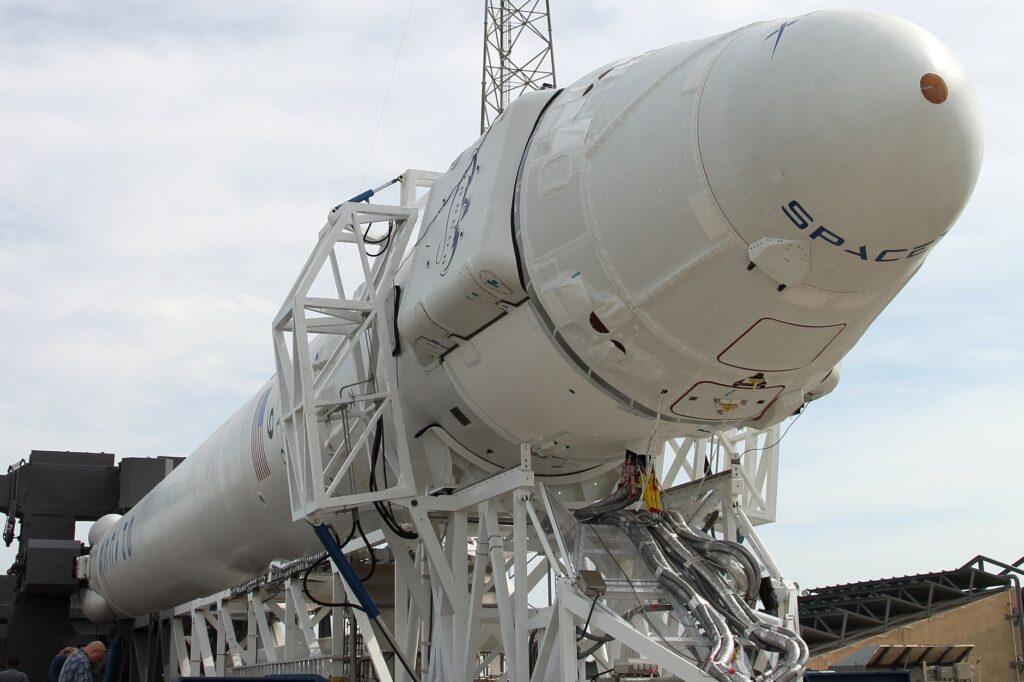
The commercial robot Link, launched in July to boost the aging Swift observatory, re‑entered Earth’s atmosphere after 85 days, concluding a high‑risk mission that fell short of its primary goal.
Posts tagged as “NASA”
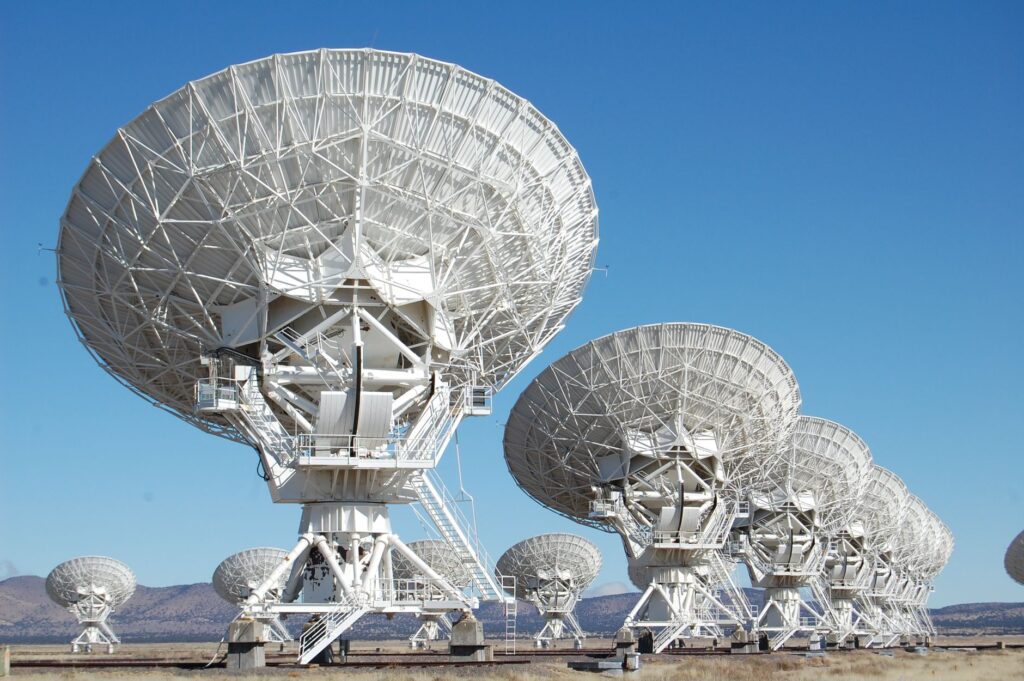
NASA has approved the PRIMA mission, the inaugural Probe Explorer telescope, aiming for launch in the early 2030s as a lower‑cost alternative to flagship observatories.
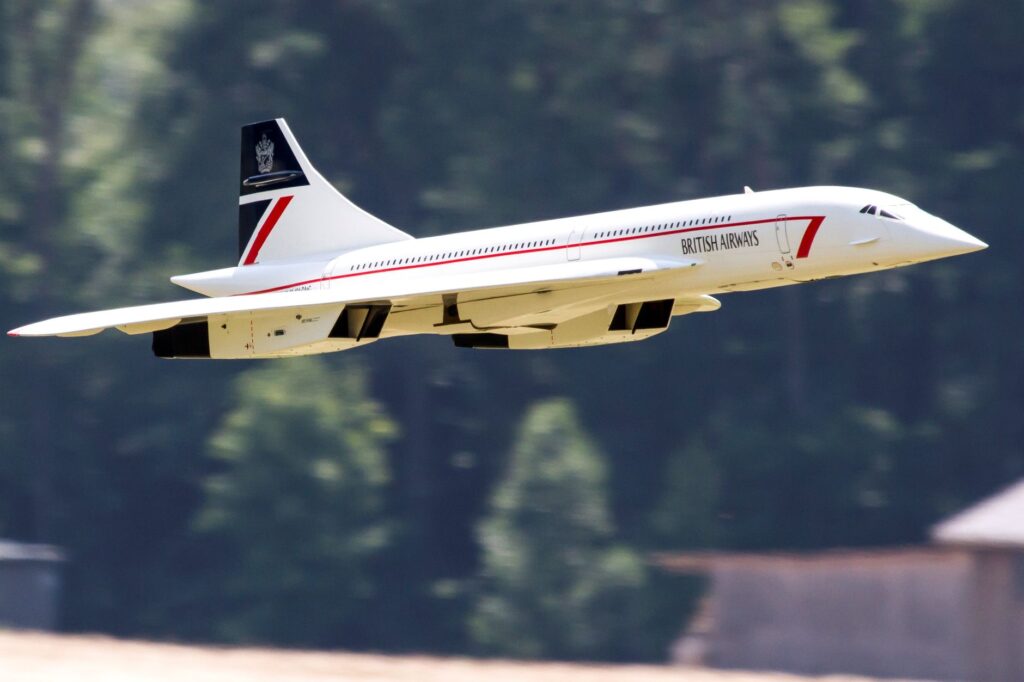
NASA’s experimental X‑59 aims to flatten sonic booms into a low‑level thump, reviving the prospect of commercial supersonic flights over land.
NASA activated the Nancy Grace Roman Space Telescope’s 300‑megapixel camera, producing its first test images—blurred “green donuts”—as engineers begin months of calibration.
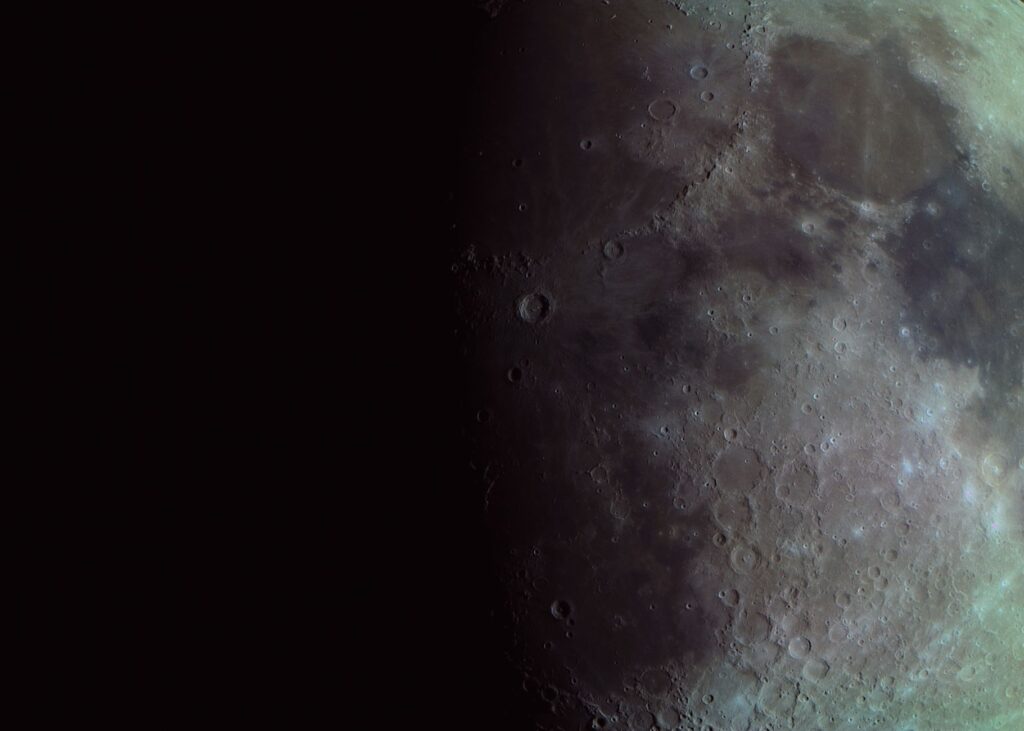
Scientists have identified a 728‑foot crater on the Moon, named McGetchin, created by a rare impact in 2024 and accompanied by a 4‑mile cold spot.
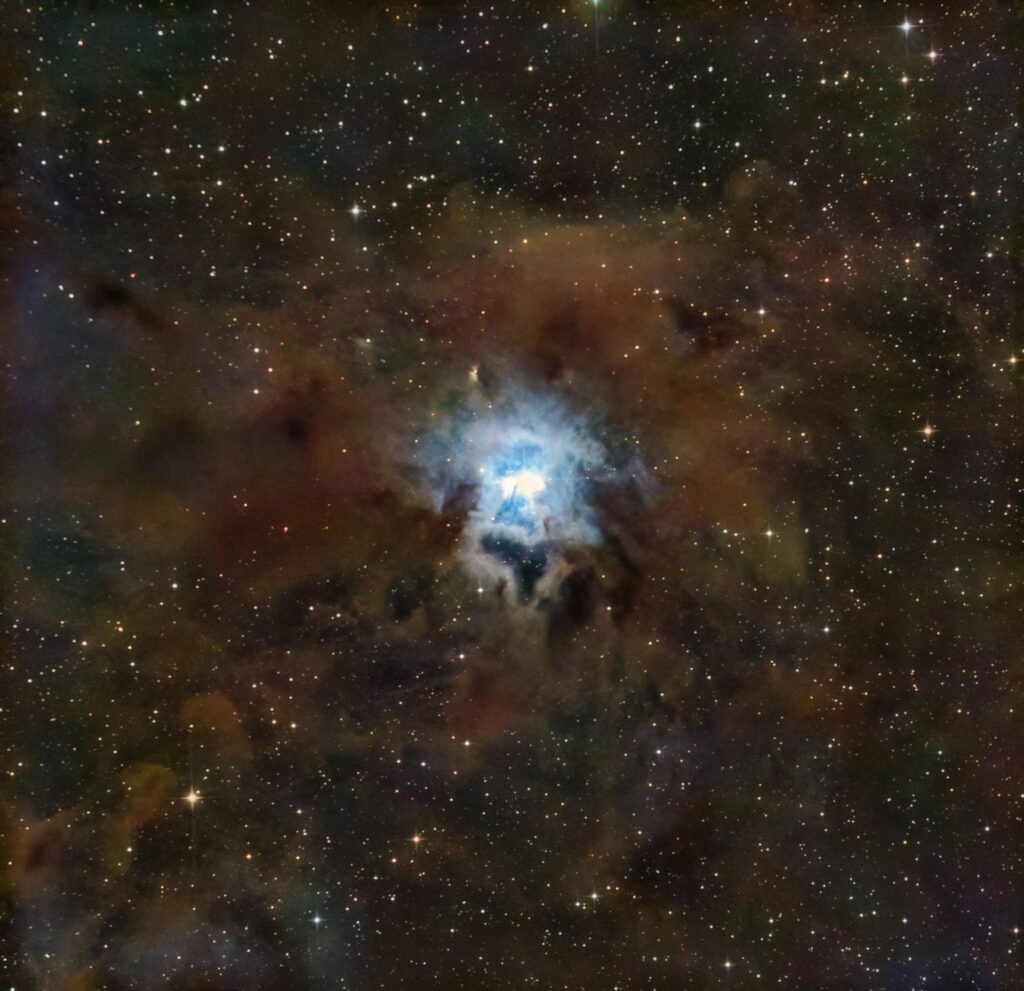
NASA’s Nancy Grace Roman Space Telescope released its first test image on Sept. 15, 2026, showing green‑colored loops of stars as its 300‑megapixel camera comes online.
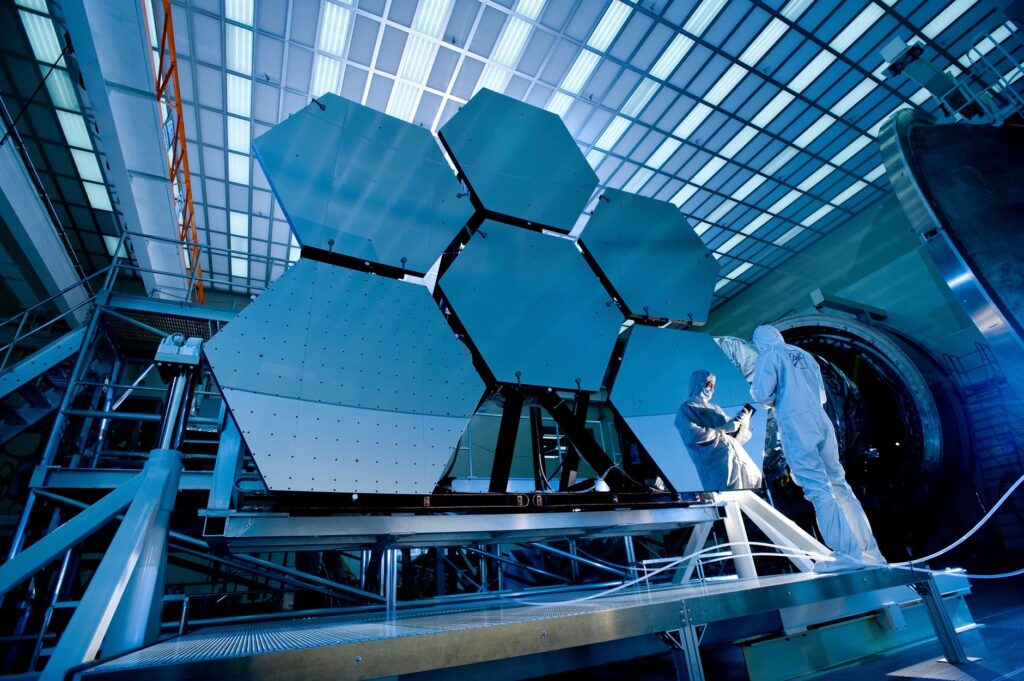
NASA’s Roman Space Telescope used only 18 kg of its 200 kg allocated fuel for its first mid‑course correction, potentially stretching its operational life to at least 22 years.
NASA reports that the Nancy Grace Roman Space Telescope, launched on Aug. 30, has used far less fuel than planned, extending its expected mission from 10 to 22 years.
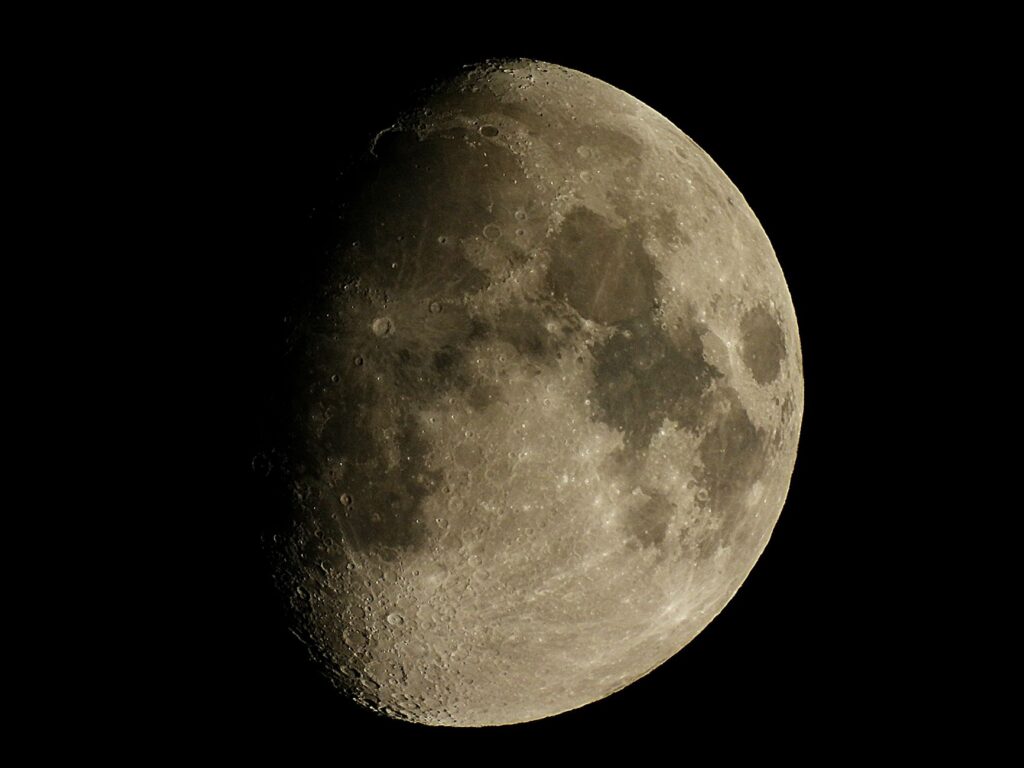
NASA researcher Robert Wagner spotted a bright patch on the Moon that turned out to be the largest newly formed impact crater ever recorded, now named McGetchin Crater.
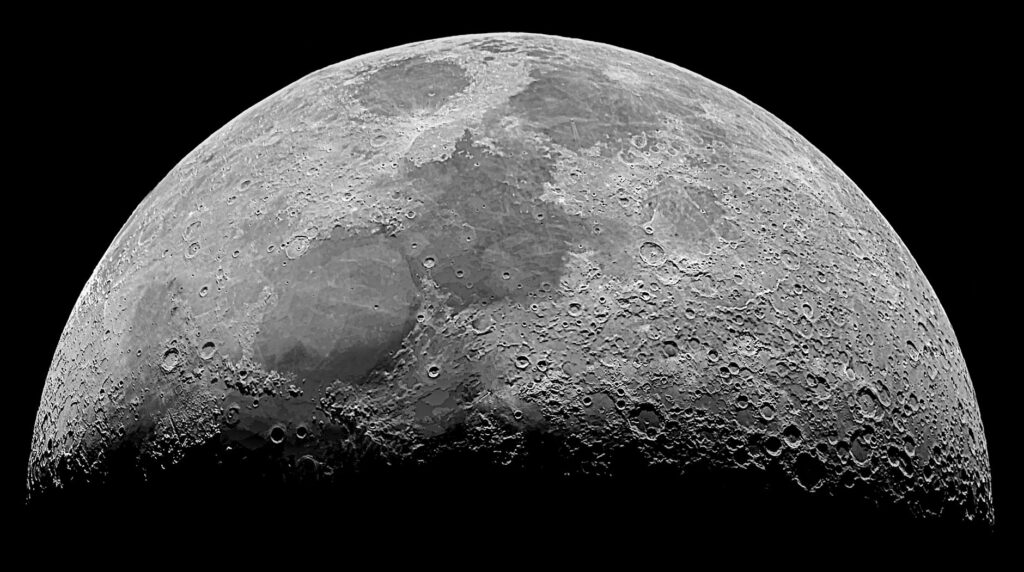
NASA's Lunar Reconnaissance Orbiter has identified a fresh crater on the Moon that measures about 728 feet across—larger than the Roman Colosseum—providing a rare glimpse of a recent impact.