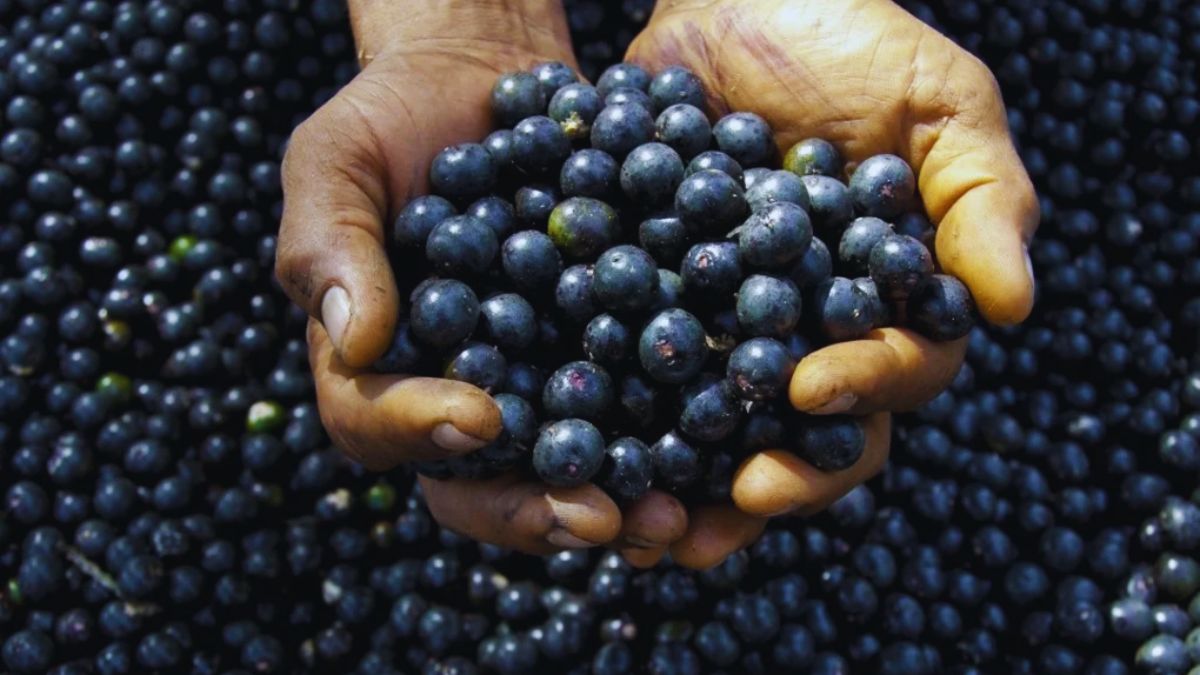
From trendy smoothie shops in New York to health-focused cafes in Los Angeles, açaí bowls have become a staple among wellness enthusiasts across the United States, and many countries globally. But fans of the vibrant purple superfruit (blackberry lookalike) might soon be in for sticker shock. Beginning August 1, the U.S. government is set to implement a steep 50% tariff on açaí imports from Brazil, the primary global supplier of the berry. The move comes amidst ongoing trade tensions, and unless a new deal is struck between Washington and Brasília, consumers could see prices rise significantly.
Açaí, prized for its tangy flavor and purported health benefits, including high antioxidant properties and significant levels of Omega-3 fatty acids is no longer just a Brazilian delicacy. What was once a staple food in the state of Pará has transformed into a global superfood. Today, nearly all the açaí pulp sold in the United States, Europe, and Asia originates from Brazil.
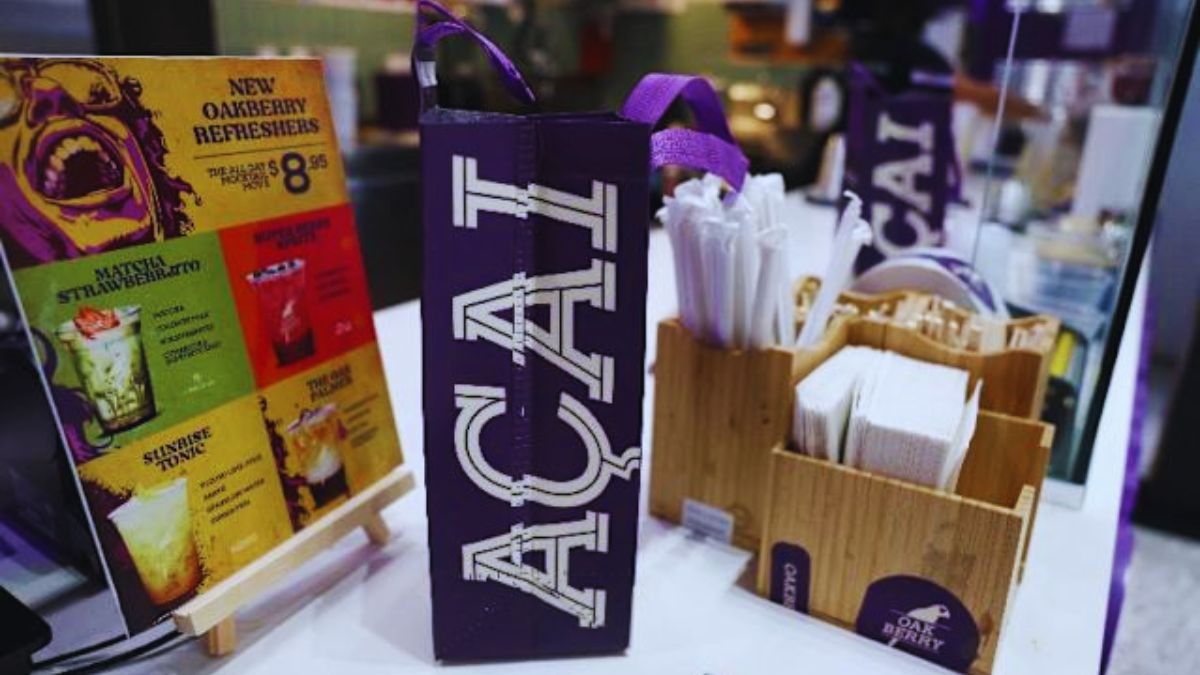
Oakberry Inc., the largest açaí chain in the world with 700 stores in 35 countries, offers a more modest-sized bowl for $13 in Midtown Manhattan. Even so, with the looming import tax, that price point might not hold much longer. The açaí industry in Brazil has grown rapidly to meet global demand. Production has surged from just 150,000 metric tons a decade ago to nearly 2 million tons in the past year, according to Brazilian government data. The United States is currently the largest importer, followed by countries in Europe and Asia, particularly Japan.
However, the upcoming tariffs could put a strain on this booming trade. Nazareno Alves da Silva, who leads the Amazon Açaí Producers Association in Pará, voiced serious concerns about how Brazilian suppliers can manage the financial burden. Exporters are exploring newer ways to offset the cost, but cutting prices on the Brazilian side isn’t feasible without damaging the livelihoods of local farmers and producers.
The implications extend beyond just açaí. Brazil is a crucial supplier of several key agricultural commodities to the U.S. — including approximately one-third of its coffee imports, as well as significant quantities of orange juice and beef. With tariffs potentially impacting these products too, the broader food and beverage market in the United States could face a ripple effect in both pricing and availability. This situation highlights the broader consequences of escalating trade disputes. While political and economic decisions are being debated at the highest levels, the effects are quickly felt by small business owners, international producers, and everyday consumers alike.
Health food trends like açaí have thrived on global supply chains, but rising costs could make such products less accessible, shifting them from popular choices to occasional indulgences. Whether the U.S. and Brazil can come to an agreement remains uncertain. Until then, that refreshing açaí bowl may become a more expensive treat than consumers bargained for.
- A 50% U.S. tariff on açaí imports from Brazil is set to take effect August 1, 2025.
- Brazil is the primary supplier of açaí worldwide; the U.S. is its largest export market.
- Price hikes could see açaí bowls jump beyond their already premium prices of $13–$18.
- Exporters in Brazil are struggling to find ways to absorb the increased cost.
- Other Brazilian exports — including coffee, beef, and orange juice — may also be affected.

Helene Elliott is the Lead Science & Space Reporter at News Raise. She reports on aerospace missions, astrophysics discoveries, quantum research, and environmental technology.