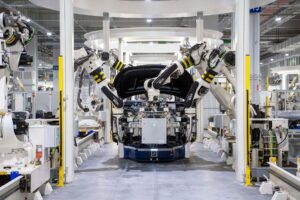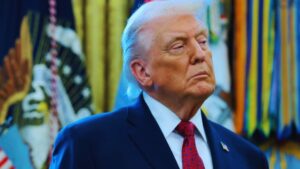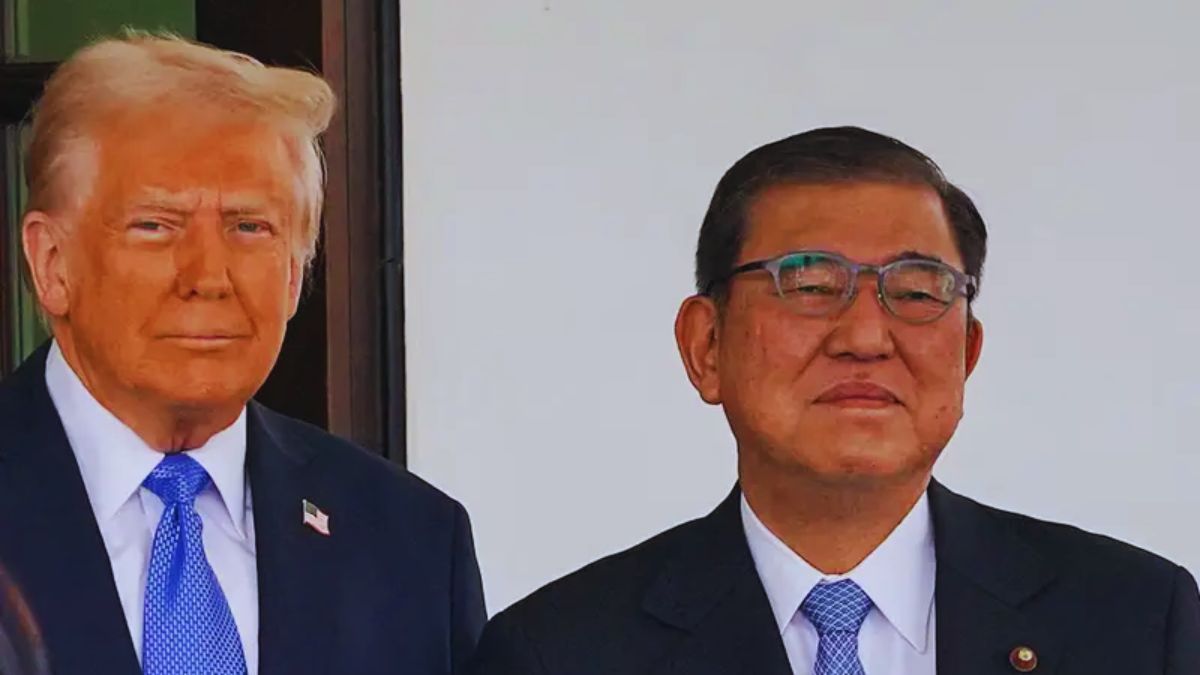
In a major announcement, the US President Donald Trump unveiled a landmark trade deal with Japan, declaring it “the largest trade deal in history.” The agreement marks a significant development in US-Japan economic ties, offering benefits to both nations after months of intense negotiations.
Speaking at a reception with Republican lawmakers, Trump shared that the bilateral agreement includes reciprocal tariffs and significant Japanese investment into the United States and emphasized on the collaborative efforts that will lead to benefits flowing to both sides.
Under the agreement, Japanese exports to the US will face a 15% reciprocal tariff, including automobiles and car parts. This provision offers Japan a notable advantage over other automobile-exporting nations that are currently subjected to a 25% tariff on vehicle exports since April. The inclusion of auto parts and vehicles without volume restrictions is a breakthrough for Japan and a first among global trade partners.
From the US perspective, Japan has agreed to open its markets further to American goods such as automobiles, rice, agricultural produce, and other industrial products. In return, Japan will inject $550 billion into the US economy through equity and loan-based investments. These funds will support Japanese business expansion in strategic American sectors like pharmaceuticals, semiconductors and advanced manufacturing.
Trump had earlier publicized the deal on Truth Social, highlighting its job-creating potential and its historic scale. He, was quite ecstatic with this development and stated that the US would retain 90% of the profits from the Japanese investment, predicting the agreement would generate employment in multiple zeroes, creating opportunities for native American citizens to thrive and earn.
Th Japanese markets responded positively, with the Nikkei index rising by almost 3.7% following the announcement, led by gains in automotive stocks. Ryosei Akazawa, Japan’s lead tariff negotiator, celebrated the agreement on social media, calling it a grand success, highlighting the growing friendship between President Trump and the soon to step-down Prime Minister Shigeru Ishiba. Akazawa emphasized that Japan is now the first country globally to benefit from reduced US tariffs on vehicles without any quota restrictions.
Prime Minister Ishiba called the deal a positive step, describing it as offering “the lowest trade surplus margin with the US to date.” He stressed on the potential for job creation and technological collaboration between the two countries, while also indicating Japan would carefully evaluate the specifics of the agreement.
However, tariff discussions on products like steel and aluminum still subject to a 50% levy will continue in the due course. Akazawa assured that the agreement would not compromise on Japanese agriculture, even as American rice imports are expected to grow.
This agreement is particularly significant given the backdrop of strained global trade relations. The new agreement builds on a previous 2019 trade deal between the two nations, further expanding duty-free trade and market access. It also puts Japan in a more favorable position as the US seeks to recalibrate its trade alliances and reduce dependence on China.
5 Key Takeaways of the US-Japan Trade Agreement 2025:
- 15% Reciprocal Tariffs: Japanese exports, including cars and auto parts, will be subject to a flat 15% tariff – significantly lower than the 25% faced by other nations, enhancing Japan’s competitiveness in the US auto market.
- $550 Billion Japanese Investment: Japan will invest $550 billion into the US economy through equity and loans, focusing on sectors like semiconductors and pharmaceuticals.
- Job Creation and Profit Sharing: Trump claimed the deal will create hundreds of thousands of jobs, with the US expected to retain 90% of the profits from Japanese investments.
- Agricultural Access and Market Opening: Japan has agreed to expand market access for US agricultural products such as rice and livestock without undermining its domestic farmers.
- Continued Talks on Tariffs: While many goods are now covered, discussions on high-tariff items like steel and aluminium are ongoing, signalling potential future rounds of negotiation.

Helene Elliott is the Lead Science & Space Reporter at News Raise. She reports on aerospace missions, astrophysics discoveries, quantum research, and environmental technology.