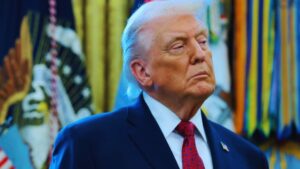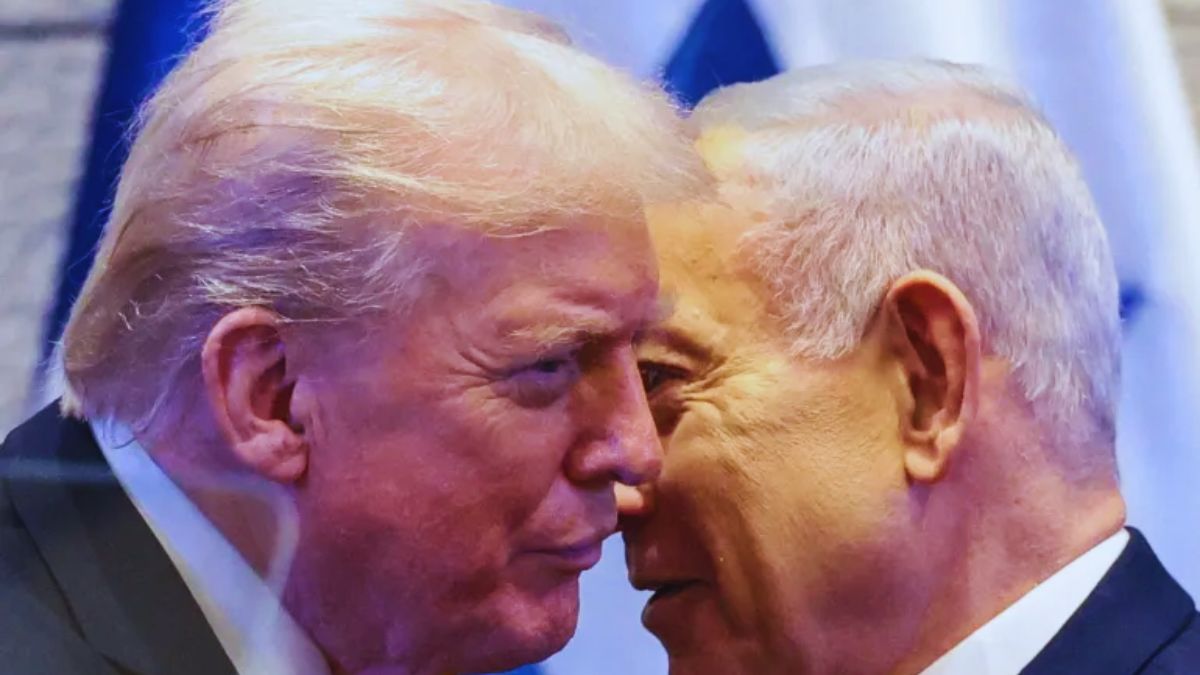
US President Donald Trump received a warm welcome in Israel and Egypt this week as he celebrated the newly signed Gaza ceasefire agreement.
Trump portrayed himself as the architect of what he called “a new Middle East,” taking personal credit for bringing peace to the region—while avoiding any acknowledgment of Palestinian suffering or rights.
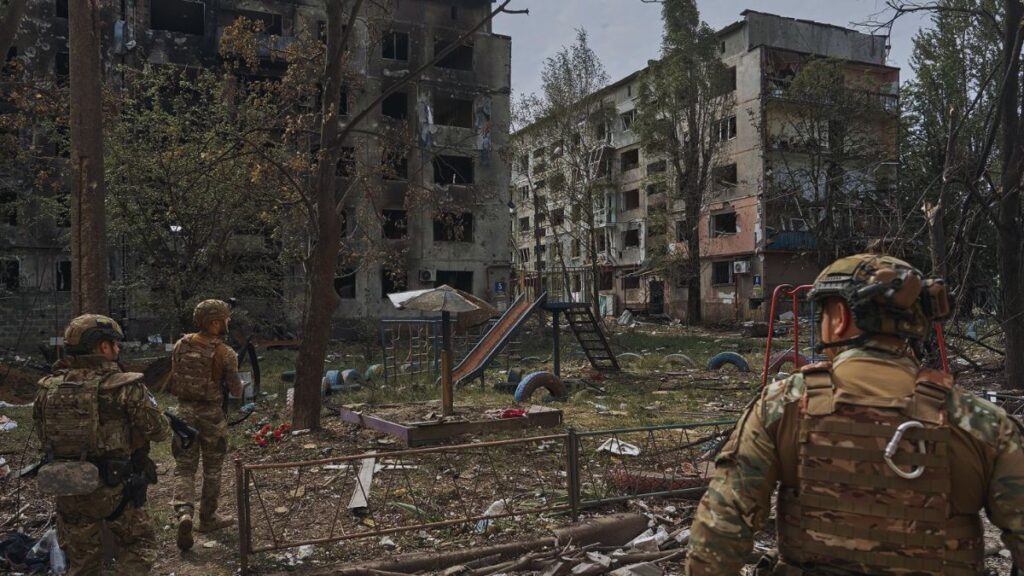
During his visit to Jerusalem, Trump addressed Israel’s parliament, the Knesset, and later joined regional and global leaders in Egypt to commemorate the deal. The ceasefire comes after nearly two years of relentless warfare in Gaza, where more than 68,000 Palestinians were killed, according to human rights groups that have accused Israel of committing genocide.
05 Major Takeaways from Trump’s Visit
1) Trump’s Vision of “A New Middle East”
Trump’s speeches throughout the trip centered on the theme of renewal and transformation. The phrase ‘New Middle East’ has been echoed by past US presidents, typically used to describe a region aligned with Washington and open to economic and diplomatic cooperation with Israel.
However, Palestinian rights groups and international observers have warned that no real peace is possible without addressing Israel’s ongoing occupation, the expansion of illegal settlements, and the humanitarian crisis in Gaza and the West Bank. Despite the ceasefire, Israeli airstrikes continue across Lebanon and Syria, raising doubts about whether the so-called peace will hold.
2) Praising Netanyahu and Urging Pardon
In his speech, Trump lavished praise on Israeli Prime Minister Benjamin Netanyahu, calling him “one of the greatest wartime leaders.” He also made a controversial appeal to Israeli President Isaac Herzog to pardon Netanyahu, who faces corruption charges involving bribery and illegal gifts.
Trump recalled how Netanyahu often requested specific US weapons during the war—arms that have been used to level large parts of Gaza. Over the past two years, Washington has provided Israel with more than $21 billion in military aid, reinforcing the US-Israel alliance even amid international outrage.
3) Global Pressure and Shifting Sentiments
While celebrating the ceasefire, Trump acknowledged that international opinion is increasingly critical of Israel following the atrocities in Gaza. Several Western nations have formally recognised a Palestinian state, a move seen as a response to Israel’s devastating military campaign.
Despite this shift, Trump congratulated Netanyahu for achieving what he called “victory,” arguing that the ceasefire prevented “another few years of war.” Yet, human rights organisations have continued to call for accountability and justice for what they describe as war crimes and crimes against humanity.
4) Tough Talk on Iran
Trump also used the platform to reaffirm his hardline stance on Iran, boasting that US strikes earlier in the year had “obliterated” Tehran’s nuclear programme. He applauded Israel for targeting Iranian nuclear scientists and senior military leaders, claiming that these actions made the Gaza ceasefire possible.
However, Trump’s rhetoric was not entirely uncompromising. Even as he portrayed Iran as weakened, he hinted at a possible diplomatic opening, suggesting that the US remains open to future talks with Tehran.
5) A Message to Palestinians—But No Mention of Their Rights
In his address, Trump urged the Palestinians to embrace “stability, safety, dignity, and economic development.” Yet, his speech notably omitted any reference to Israel’s ongoing occupation, forced displacement, or decades-long blockade of Gaza.
Trump did not acknowledge the suffering of Palestinians or their internationally recognised right to self-determination. The omission underscored Washington’s unwavering support for Israel, sending a clear message that Palestinian sovereignty remains off the table.
While Trump’s Middle East tour projected confidence and triumph, many observers say the celebrations ring hollow against the backdrop of mass civilian deaths and widespread destruction. Critics argue that without justice, recognition, and accountability, any talk of a “new Middle East” will remain superficial—a political slogan masking a deep and unresolved crisis.

Helene Elliott is the Lead Science & Space Reporter at News Raise. She reports on aerospace missions, astrophysics discoveries, quantum research, and environmental technology.