US Job Market Faces Prolonged Slowdown as Hiring Remains Weak Heading Into 2026
Americans searching for jobs in 2025 encountered a difficult employment landscape, and early indicators suggest relief may not arrive in 2026. While the labor market has not collapsed, it continues to show signs of strain, leaving both employers and job seekers navigating a slow, cautious environment marked by limited hiring and rising uncertainty.
As of September, the latest month with official government data, the US unemployment rate stood at 4.4%. Although this figure remains relatively low by historical standards, it represents the highest level since October 2021.
Job Growth Slows as Layoffs Inch Higher
Job creation has lost momentum, with hiring rates hovering near levels last seen during the early months of the COVID-19 pandemic and the aftermath of the Great Recession.
- According to a recent report from the Indeed Hiring Lab, the labor market appears largely frozen.
- Analysts warned that the more pressing concern may not be whether hiring rebounds, but whether prolonged stagnation leads to deeper cracks in employment conditions.
- Healthcare has been a rare bright spot, accounting for nearly 47.5 percent of total job growth recorded in 2025 through August.
- However, economists caution that any slowdown in this sector – without offsetting gains elsewhere—could significantly weaken overall employment trends.
Low-Hire, Low-Fire Environment Likely to Continue
Labor market experts broadly expect current conditions to persist rather than dramatically worsen or improve. Analysts at Indeed described the most likely scenario as an extension of today’s ‘low-hire, low-fire’ environment, in which companies are reluctant to add staff but also hesitant to lay off workers at scale. This dynamic has made the market especially frustrating for job seekers, as openings remain scarce and competition intense.
The release of upcoming employment data may offer additional clarity, though delays remain. The November jobs report is scheduled for mid-December, while December figures are expected in early January 2026, as federal agencies work through reporting backlogs following a recent government shutdown.
Federal Reserve Flags Downside Risks
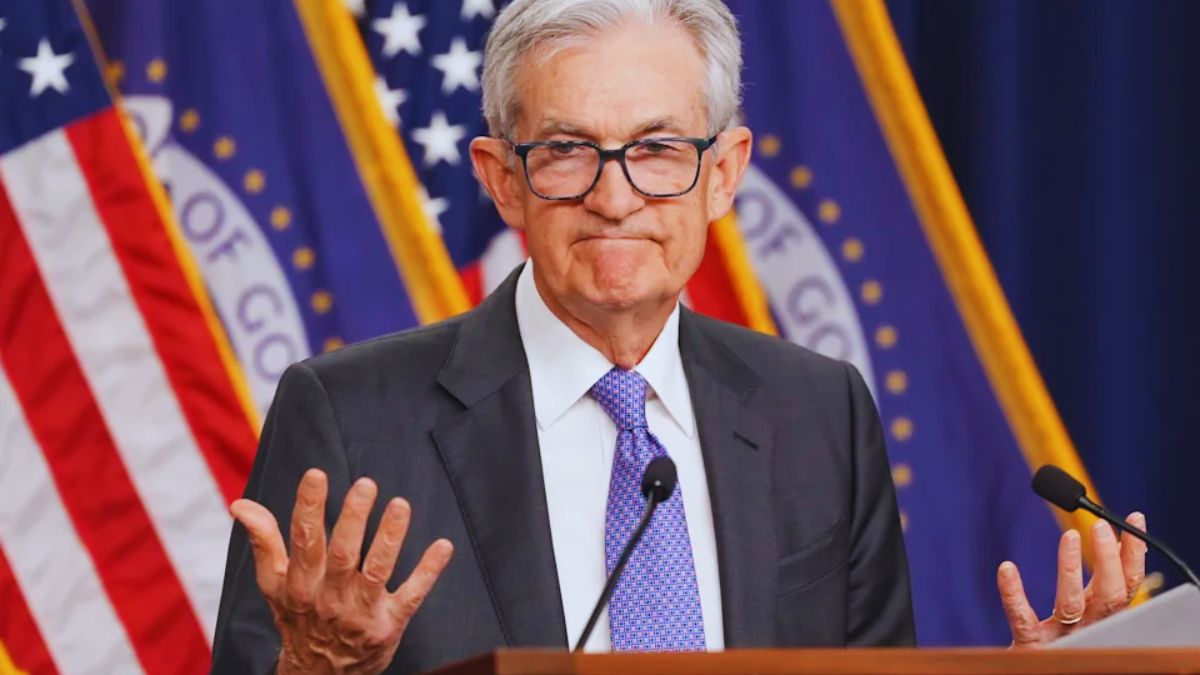
The Federal Reserve’s latest projections suggest unemployment could peak at 4.5% before easing slightly to around 4.4 percent by the end of 2026. Federal Reserve Chair Jerome Powell recently acknowledged that the labor market is under mounting pressure and warned that net job creation could turn negative in the near term.
Powell noted that a shrinking supply of workers has helped keep unemployment from rising more sharply, but he emphasized that downside risks remain significant and deeply concerning for households.
Young Workers Face a Tough Entry Point
Conditions have been particularly challenging for younger Americans and new graduates entering the workforce. A survey conducted by the National Association of Colleges and Employers (NACE) found that more than half of employers rated job prospects for the class of 2026 as poor or fair – levels comparable to sentiment during the height of the pandemic.
Most surveyed employers said they plan to maintain current staffing levels, signaling limited expansion. Hiring for the class of 2026 is projected to rise by just 1.6%, effectively flat compared with the previous year.
Skills, Internships, and AI Knowledge Gain Importance
Experts advise students and early-career workers to strengthen their résumés by acquiring in-demand skills, pursuing internships, and seeking campus employment opportunities. Familiarity with artificial intelligence tools may provide an edge, though some employers have already begun discussing the possibility of replacing certain entry-level roles with AI-driven solutions.
Structural Shifts Shape the Outlook
Some economists argue that the current downfall reflects structural changes rather than an impending recession. Lower immigration levels and an aging population have reduced labor supply, lowering the number of jobs needed each month to keep unemployment steady. As a result, monthly payroll gains are expected to remain modest.
While opinions differ on whether the US is nearing a downturn or experiencing a mature phase of economic expansion, one conclusion is clear: the labor market is likely to remain slow, selective, and challenging well into 2026.

Helene Elliott is the Lead Science & Space Reporter at News Raise. She reports on aerospace missions, astrophysics discoveries, quantum research, and environmental technology.