A Growing K-Shaped Economy: American Spending in a Big Mess
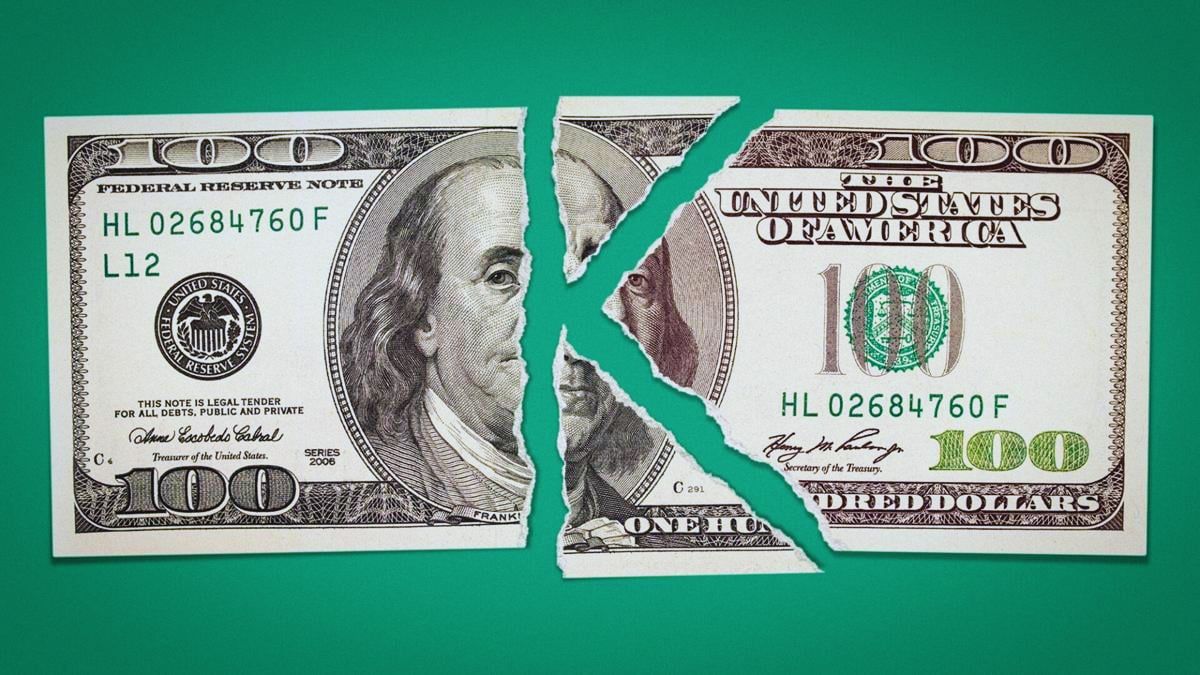
US economy is becoming more K-shaped — a situation where higher-income households continue to spend freely while lower-income Americans face growing financial pressure. This pattern mirrors what has been happening in the stock market, where Big Tech stocks keep lifting major indexes even as many other sectors fall behind.
The big question now is: How long can this uneven reality continue before something gives way?
According to Bank of America senior US economist Aditya Bhave, the two sides of the K will not move in opposite directions forever. Speaking at the bank’s 2026 outlook call, Bhave said, “Our view is that the bottom of the K will stabilize before the top of the K collapses. That’s the foundation of our more optimistic take on the economy.”
Growth Expectations Remain Surprisingly Strong
Bank of America predicts 2.4% real GDP growth in 2026, which is higher than most forecasts and suggests that the US economy may avoid a recession. This outlook comes even as data shows rising stress among lower-income workers and small businesses.
Recent job numbers pointed to softness at the bottom:
- November saw the highest number of planned layoffs since 2022.
- Private payrolls fell by 32,000 jobs, with small businesses suffering the most.
These trends clearly highlight the divide between Main Street and the wealthier segments of the economy. Still, the bank argues that if the US avoids a recession altogether, growth is more likely to be above 2% than below — which is why they remain confident in their 2.4% projection.
Why the Split May Not Be Immediately Dangerous
Although the gap between the ‘haves and have-nots‘ is growing, analysts believe it may not create major instability in the near term. One reason is the different spending patterns between income groups.
Higher-income consumers spend much more on services, and services make up the majority of the US job market. In fact, five out of six American jobs are in service-based industries. This means that even if low-income households pull back, steady spending by higher-income groups can still help support employment. Fresh data also suggests resilience: jobless claims recently dropped to a three-year low, signaling that the labour market is still holding up.
Businesses are noticing this split as well. Many companies report that premium shoppers are still willing to spend more as long as they believe the product or service is worth the price — even as budget-strained consumers trade down to cheaper options.
What Exactly Is a K-Shaped Economy?
A K-shaped economy is a term used to describe a recovery or growth pattern where different groups move in opposite directions:
- The upper arm of the K represents high-income earners and large corporations. They experience rising wealth, healthy spending, and expanding opportunities.
- The lower arm of the K represents low-income households and small businesses. They face stagnant wages, higher living costs, reduced spending power, and ongoing financial strain.
Federal Reserve Chair Jerome Powell has also acknowledged this divide. He notes that many large consumer-focused companies report a clear split: lower-income consumers are cutting back, while wealthier Americans continue to spend more, especially on discretionary and premium categories.
Today, the top 10% of US households accounts for nearly half of all consumer spending, showing just how uneven the economic landscape has become.

Helene Elliott is the Lead Science & Space Reporter at News Raise. She reports on aerospace missions, astrophysics discoveries, quantum research, and environmental technology.