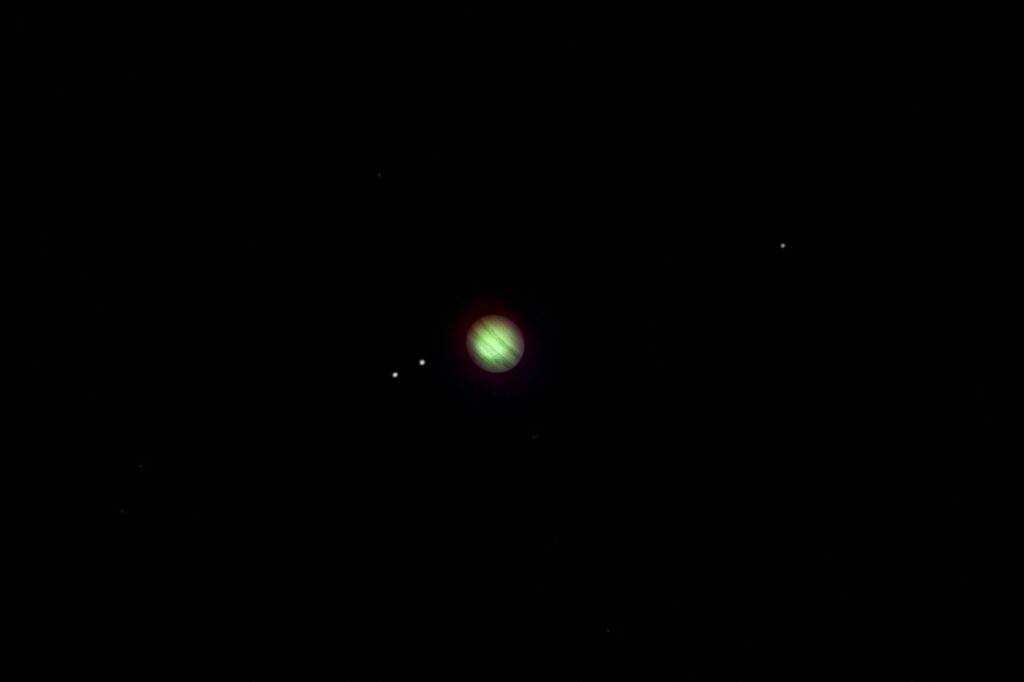
Late September offers a chance to see all five naked‑eye planets and the Harvest Moon without a telescope.
Posts published in “Science”
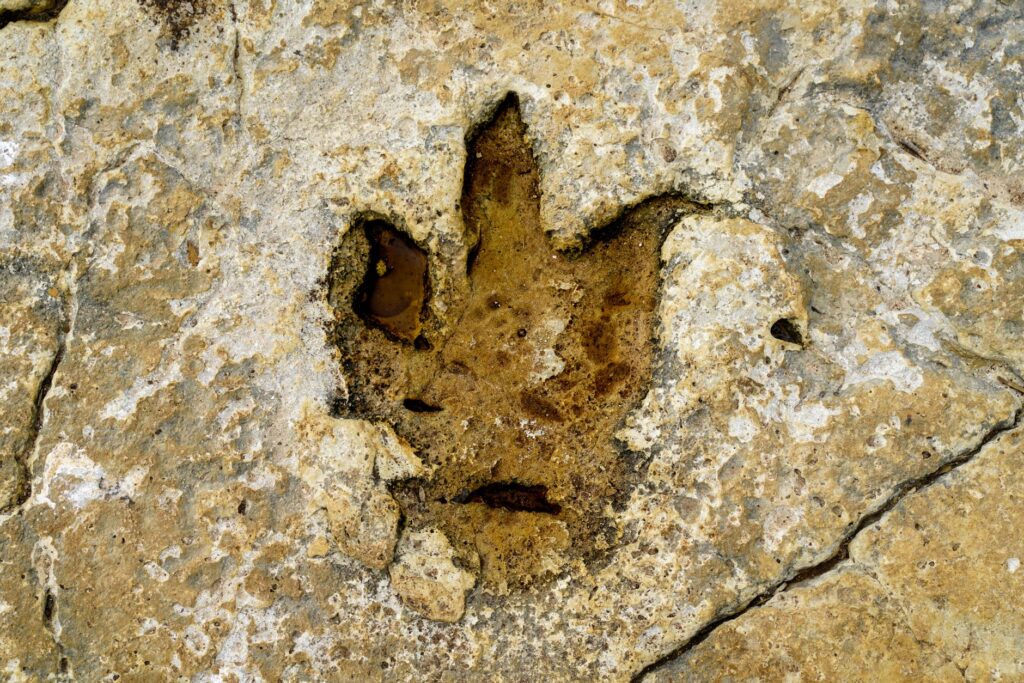
A Colorado high‑school teacher uncovered the first confirmed Tyrannosaurus rex trackway in the Hell Creek Formation, offering new insight into the predator's gait and speed.
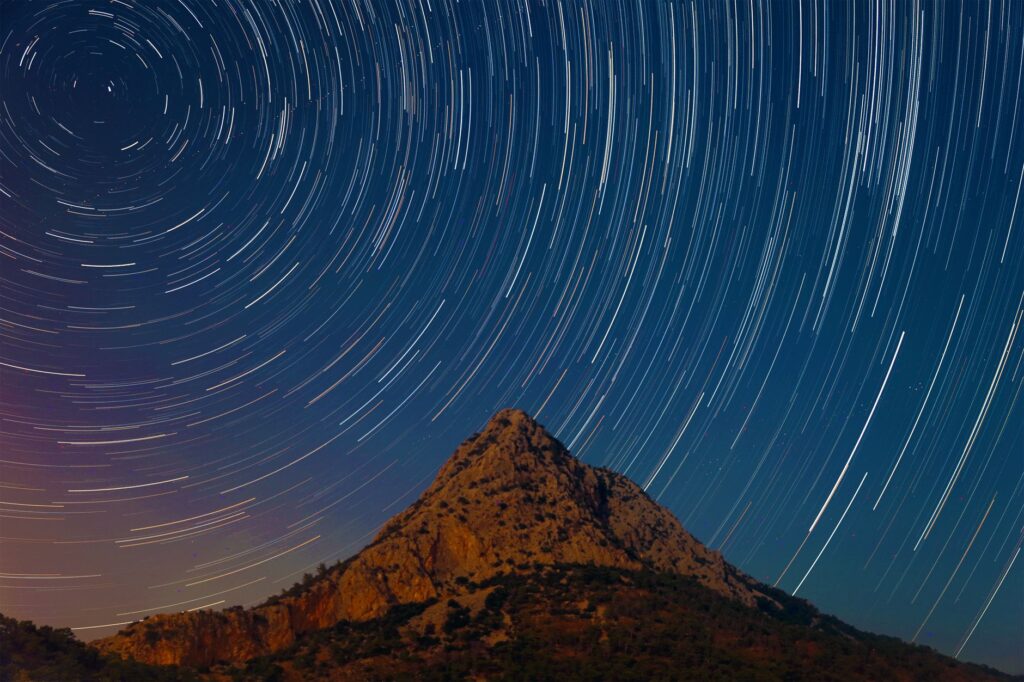
Caltech researchers unveiled a high‑resolution video of blazar 3C 345, using a new algorithm to reveal plasma jets moving toward Earth.

A new study combining chromosome‑level genomes from 103 bat species with a detailed fossil dataset revises the bat family tree and places the origin of powered flight in late‑Palaeocene Europe.
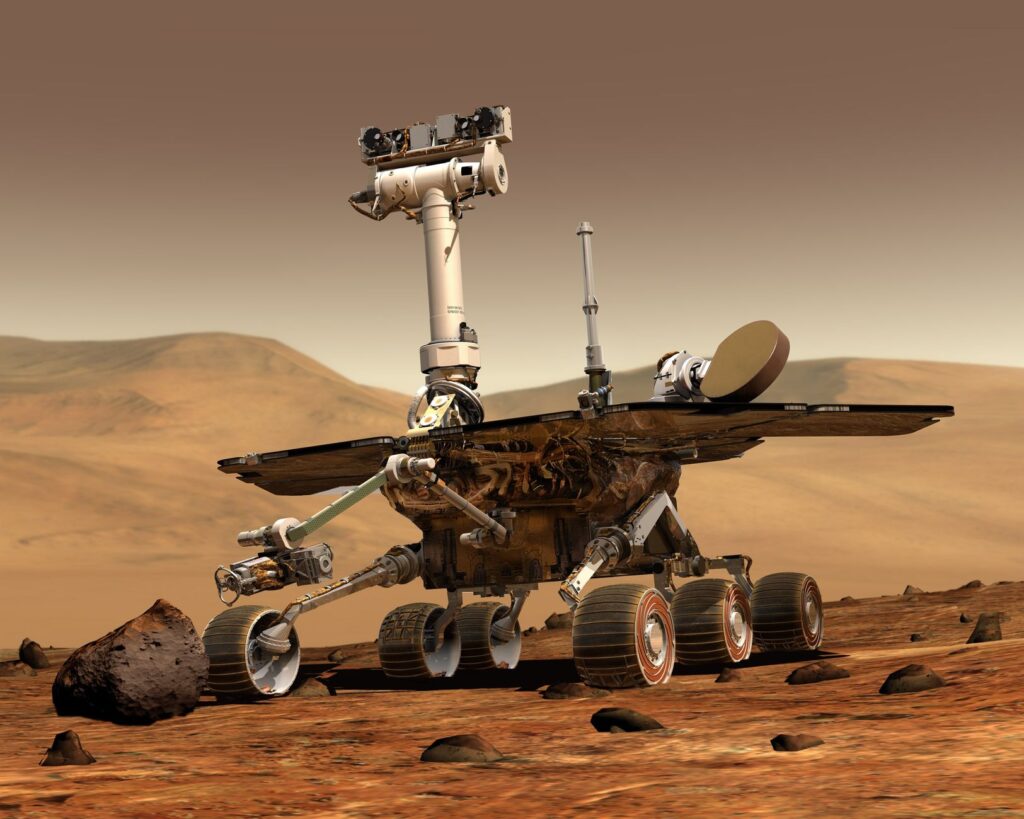
NASA's Perseverance rover uncovered igneous rocks that interacted with water multiple times in Jezero Crater, reshaping ideas about Mars' ancient climate and habitability.
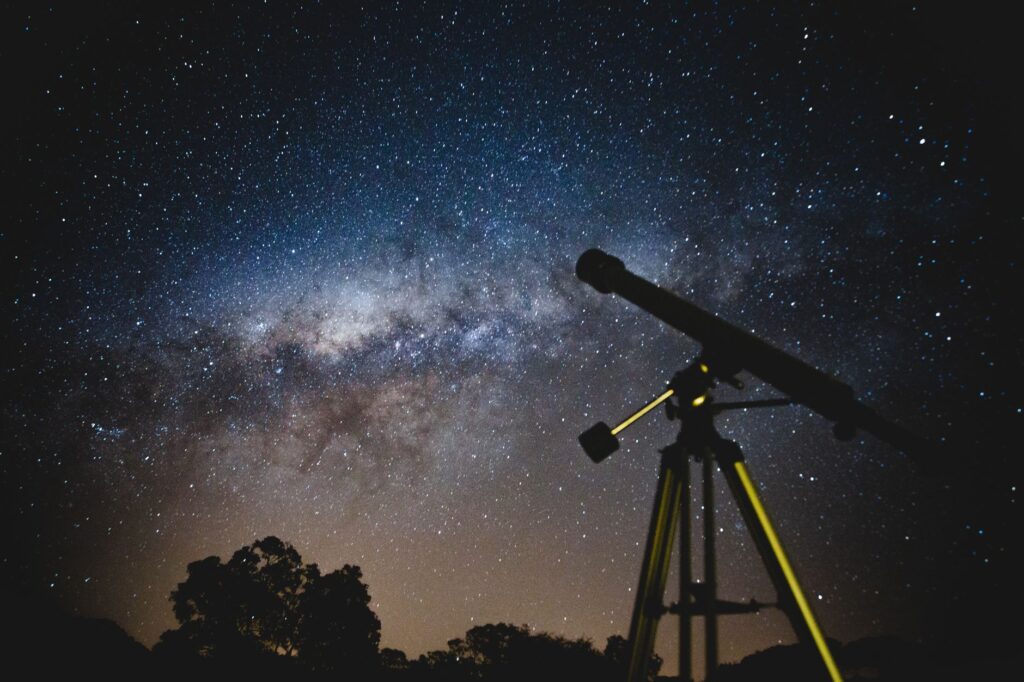
NASA activated the Nancy Grace Roman Space Telescope’s 300‑megapixel camera, producing its first test images—blurred “green donuts”—as engineers begin months of calibration.
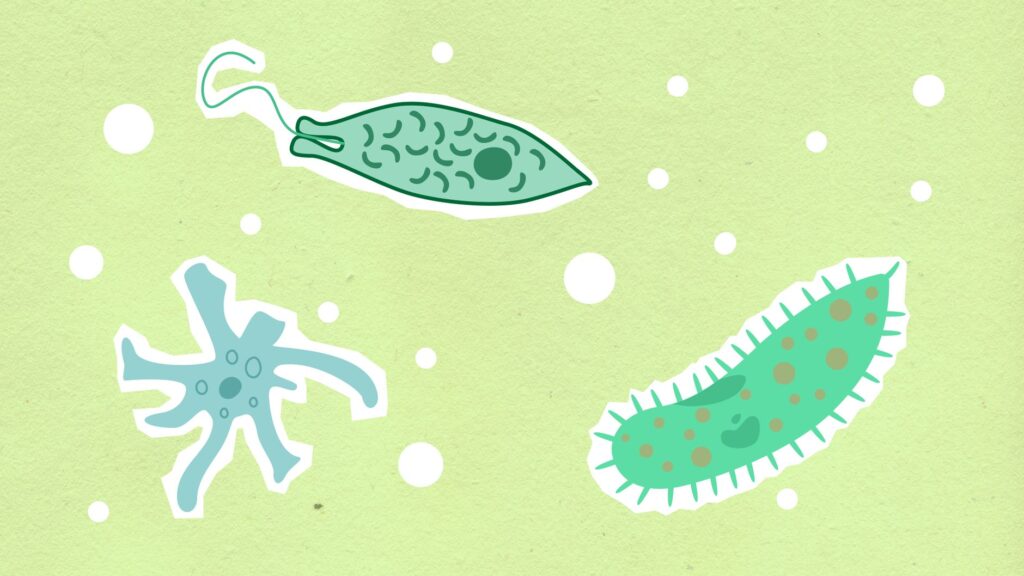
A newly identified eukaryotic microbe, Incendiamoeba cascadensis, can reproduce at 145 °F, setting a temperature record for complex cells and expanding the known limits of life.
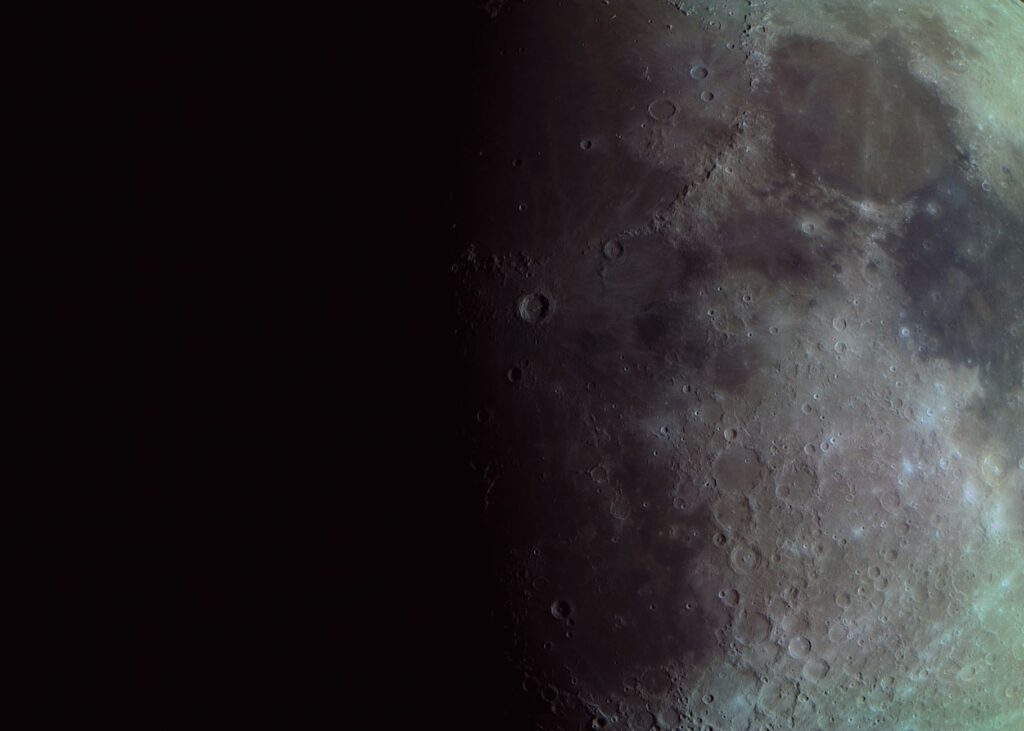
Scientists have identified a 222‑meter crater on the Moon’s eastern limb, the largest fresh impact seen in modern monitoring and a once‑in‑a‑century event.
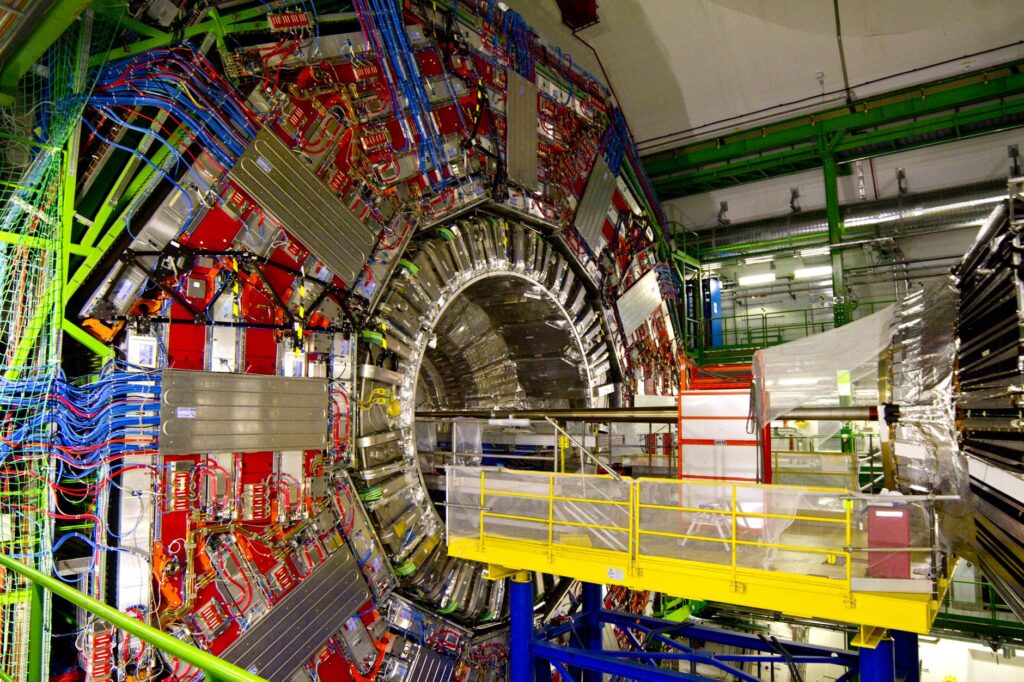
Physicists at the Large Hadron Collider have analyzed data up to 12 TeV and found no signs of tiny, short‑lived black holes, tightening limits on theories that predict extra dimensions.
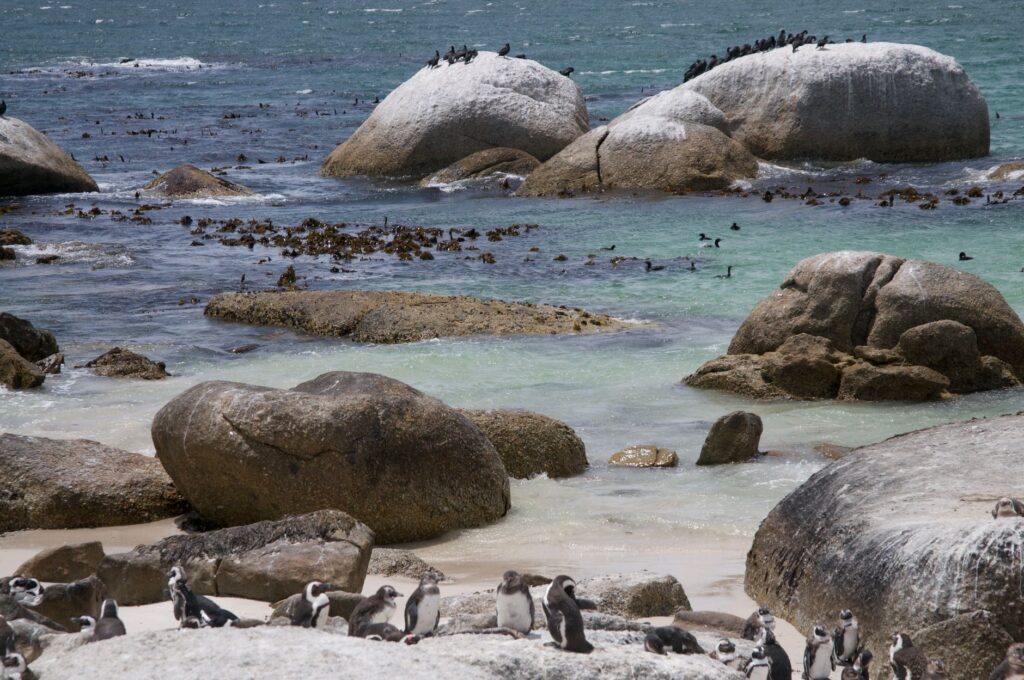
Researchers have identified a previously unknown gentoo penguin species on the remote Kerguelen Islands, marking the first new penguin species named in more than a century.