In a renewed push to curb Moscow’s revenues, the United States has called on its G7 partners to impose tariffs on countries purchasing Russian oil.
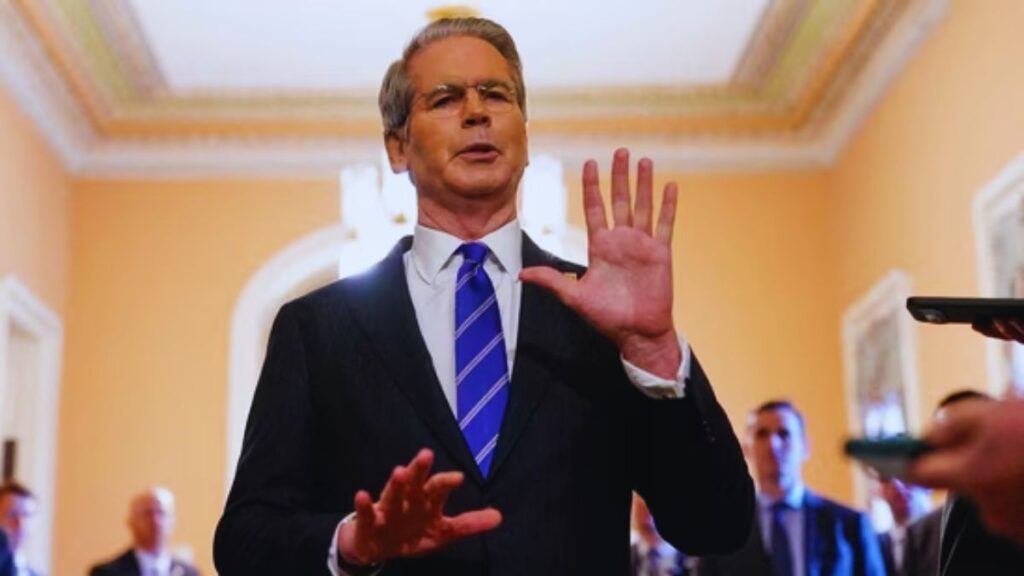
The appeal was made during a virtual meeting of G7 Finance Ministers on September 12, where US Treasury Secretary Scott Bessent and United States Trade Representative Ambassador Jamieson Greer pressed for “unified action” to weaken Russia’s ability to finance its war in Ukraine.
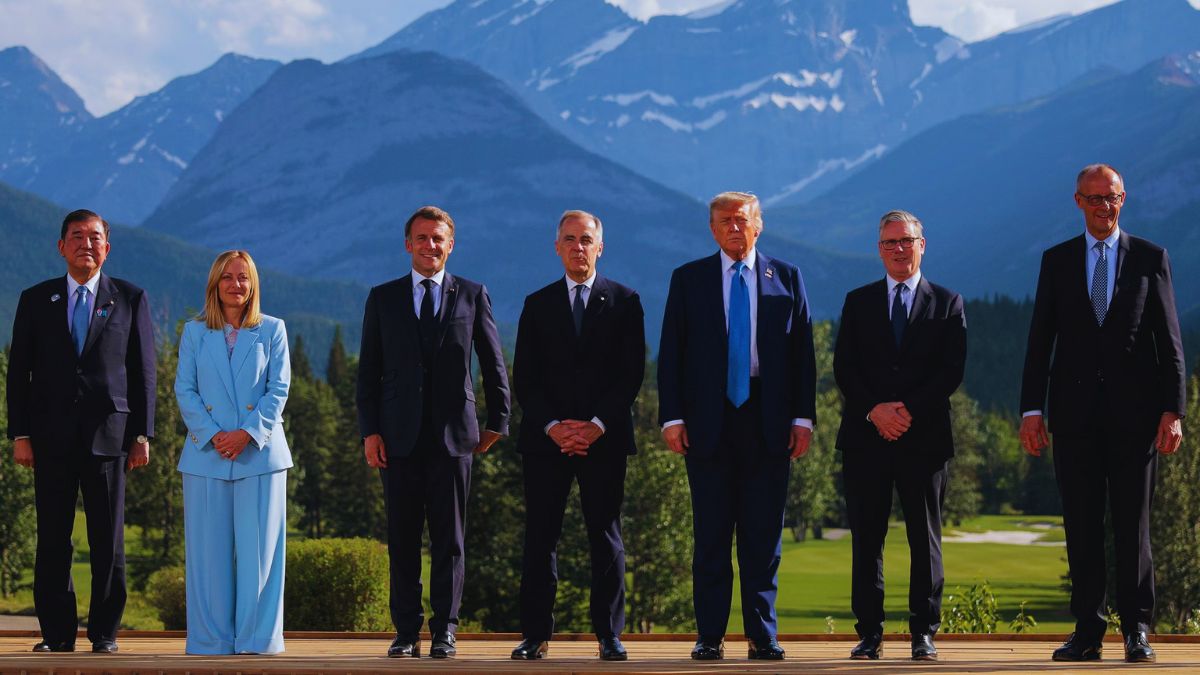
The meeting was chaired by Canada’s Minister of Finance and National Revenue, François-Philippe Champagne, under Canada’s current G7 presidency. The G7 bloc consists of the United States, Canada, France, Germany, Italy, Japan, and the United Kingdom.
US Pushes for Tariffs on Russian Oil Purchasers
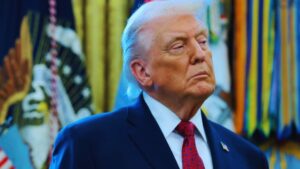
According to a statement issued by the US Treasury Department after the meeting, Secretary Bessent reiterated President Donald Trump’s position that G7 nations must collectively act to restrict revenues flowing into Moscow.
The joint statement by the two aforementioned US Representatives called for a unified effort to cut off revenues that are funding President Putin’s war machine, though they avoided naming any specific countries. However, from the obvious narrative since weeks now, the capital Washington DC has frequently criticized India and China for continuing to buy Russian crude. Despite this, no tariffs have been imposed on Beijing, while India has been directly impacted with a 50% tariff, including a 25 per cent additional duty.
New Delhi has strongly objected to this high penalty in the past and described the move as ‘unfair, unjustified and unreasonable’, a stance it continues to maintain despite ongoing negotiations and apparent friendly relations between President Trump and PM Modi.
Indian officials have consistently maintained that the country’s energy policy is dictated by national interest and market realities. Energy imports, including Russian crude, are seen as vital for ensuring affordable supplies to fuel India’s rapidly growing economy.
Canada and G7 Step Up Pressure on Moscow
In his remarks, Canada’s Finance Minister Champagne cited Russia’s escalating aggression, including recent bombings in Ukraine and a violation of Polish airspace by Russian drones. He said these developments had necessitated the G7’s urgent deliberations.
Following the meeting, G7 ministers agreed to accelerate efforts to channel immobilized Russian sovereign assets toward Ukraine’s defence and to explore new mechanisms for financial support. Washington welcomed these commitments, describing them as essential to sustaining Kyiv’s resistance against Moscow’s military campaign.
“Thanks to President Trump’s bold leadership, the United States has already taken dramatic action against the purchasers of Russian oil. We are encouraged by the assurances of our fellow G7 nations that they are committed to ending this war, and we are hopeful that they will join us in taking decisive action at this critical time,” the US statement concluded.
While Washington intensifies its pressure campaign on countries engaging with Russian oil, India remains firm in defending its energy choices. The standoff underscores the complexities of balancing geopolitical priorities with national interests.
As G7 partners deliberate on new measures, the focus remains on whether a unified front on tariffs can meaningfully impact Russia’s war funding while avoiding further friction with key economies like India.

Helene Elliott is the Lead Science & Space Reporter at News Raise. She reports on aerospace missions, astrophysics discoveries, quantum research, and environmental technology.