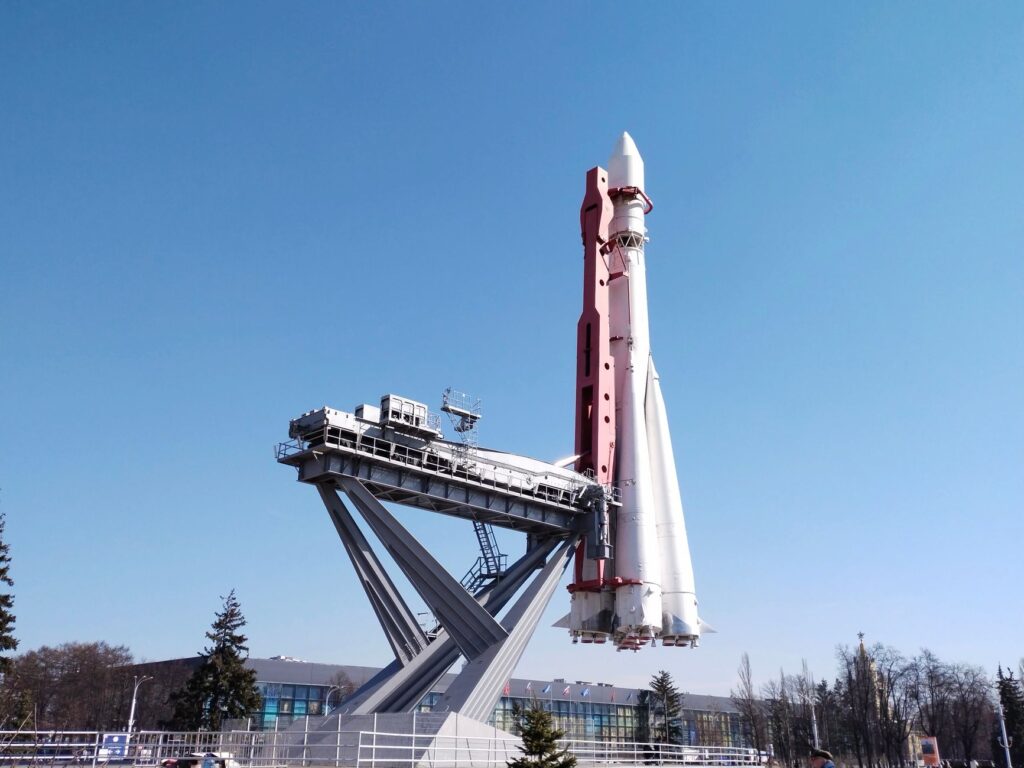
NASA announced a revised schedule for Boeing's Starliner, an uncrewed test no earlier than December and a crewed flight potentially in mid‑2028, alongside $359 million in upgrades and a shift to United Launch Alliance’s Vulcan Centaur.
Posts published in “Science”
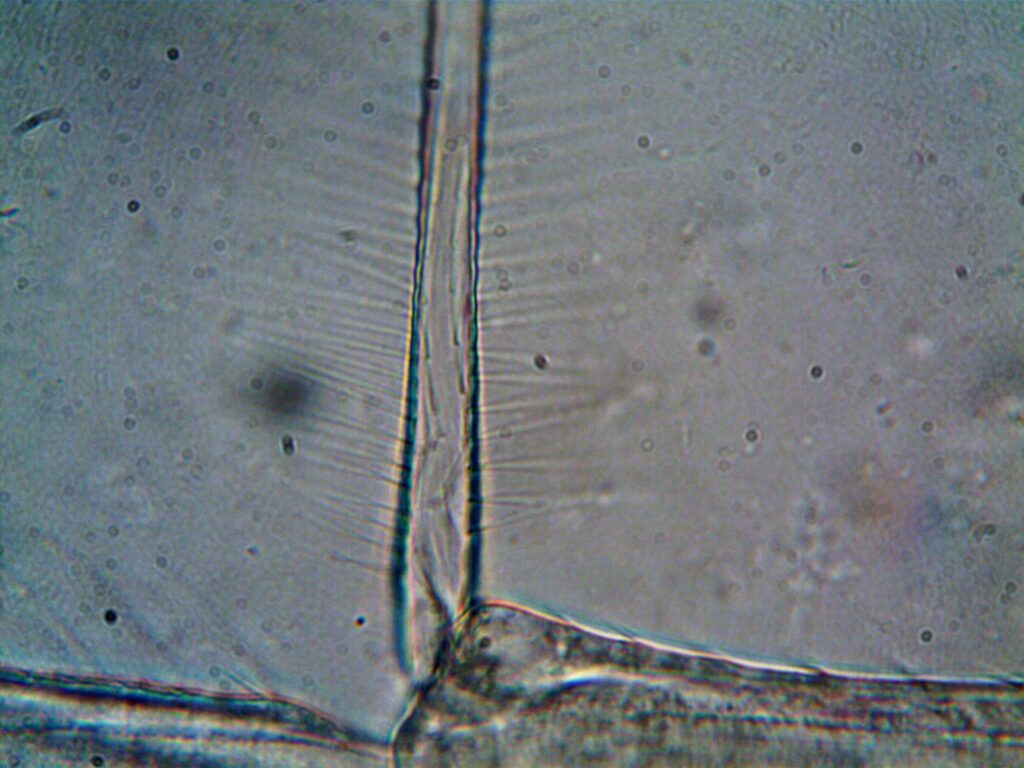
The winning video of Nikon's Small World In Motion contest is under review after scientists allege AI was used to create or alter the footage of cilia in a child's airway.
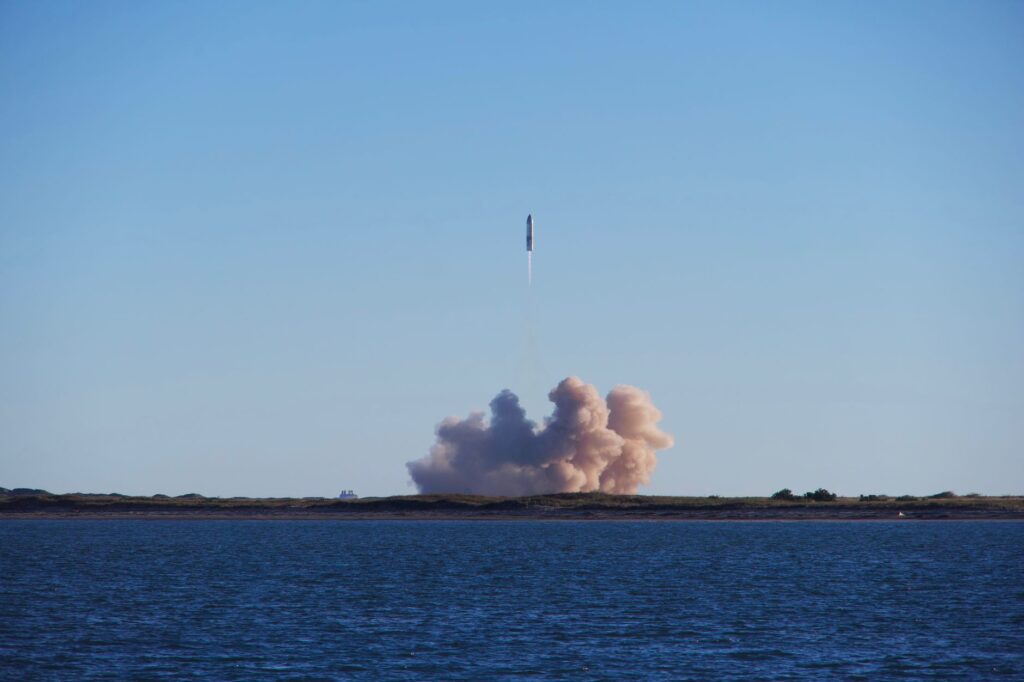
SpaceX plans to launch NASA's Crew‑13 mission to the International Space Station on Oct. 1, pending weather clearance.
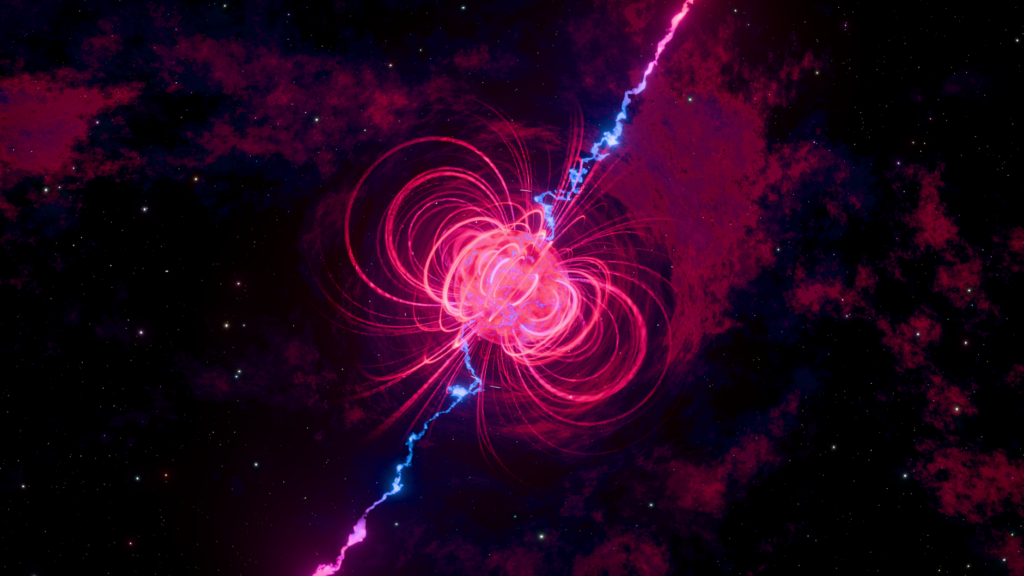
Orbital data have uncovered a dense, magnetized rock on the Moon’s far side, suggesting a strong early dynamo around 4.2 billion years ago.
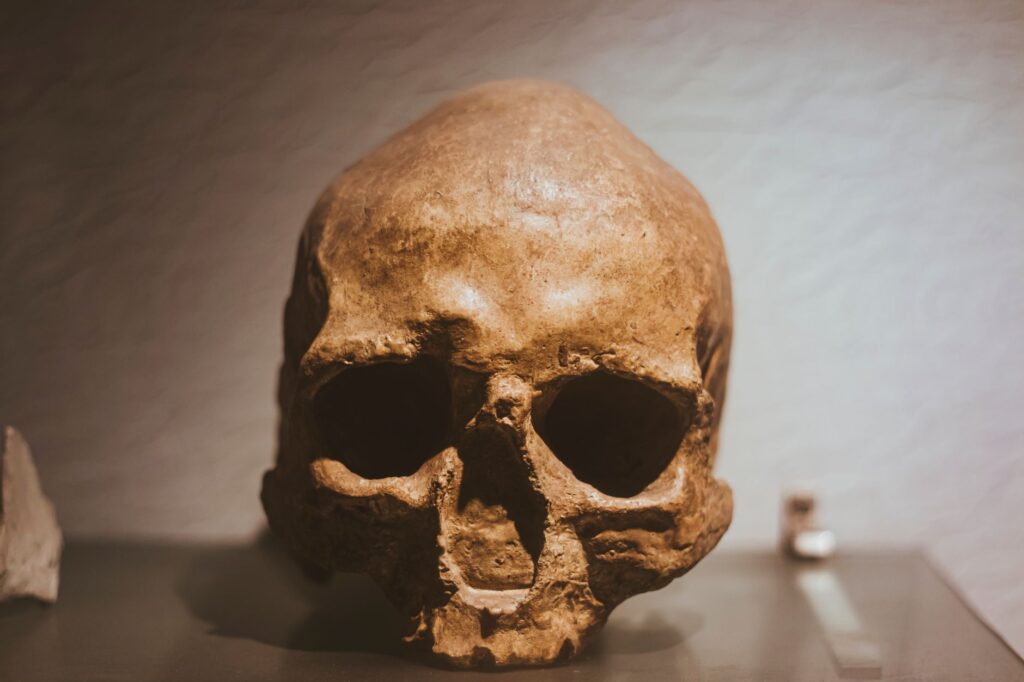
Scientists have digitally reconstructed the face of the oldest known Homo sapiens, dating back roughly 315,000 years, using a skull from Morocco.
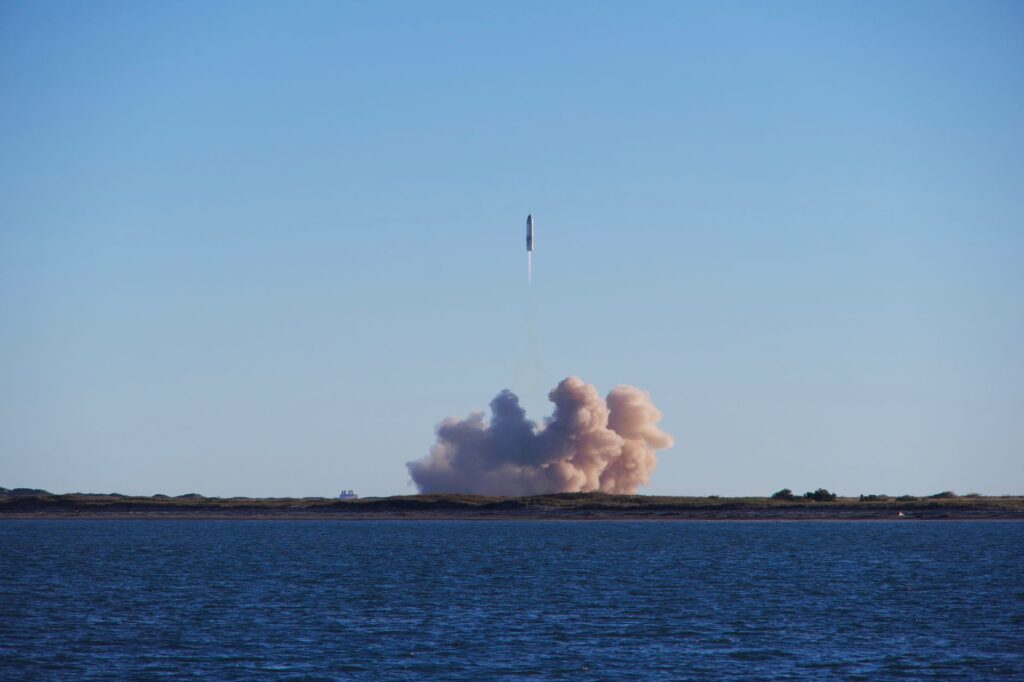
SpaceX launched its Super Heavy‑Starship on Monday, reached orbit despite an early engine shutdown, released 26 new Starlink satellites and splashed down early in the Pacific.
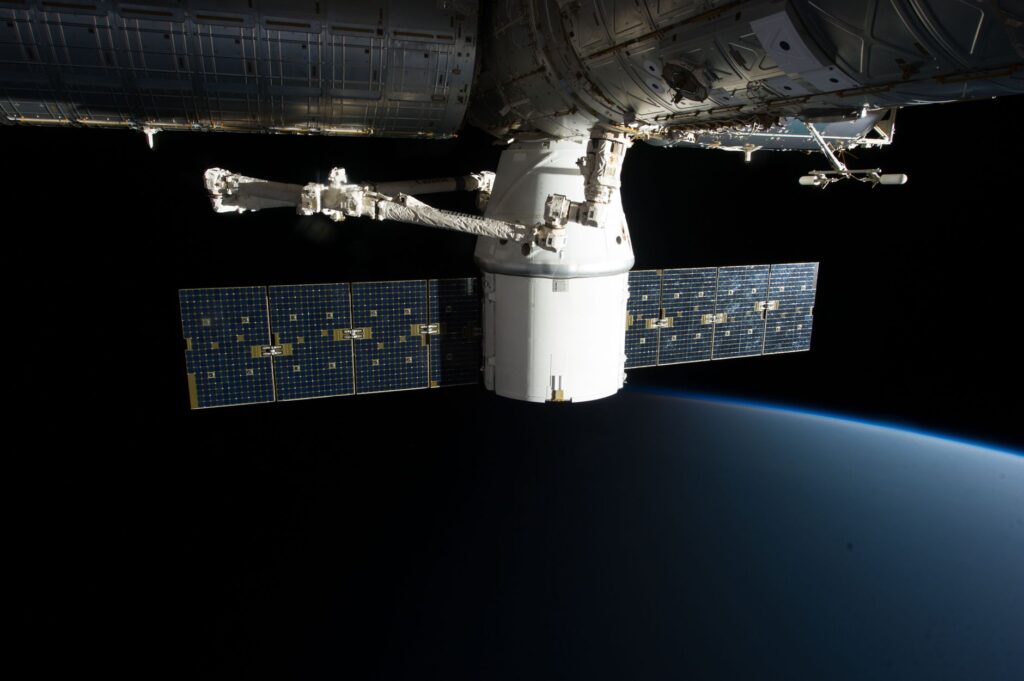
The European Space Agency’s Jupiter Icy Moons Explorer performed a brief Earth flyby on Sept. 28, gaining a 7,830 mph speed increase and a 20‑degree trajectory shift en route to Jupiter.
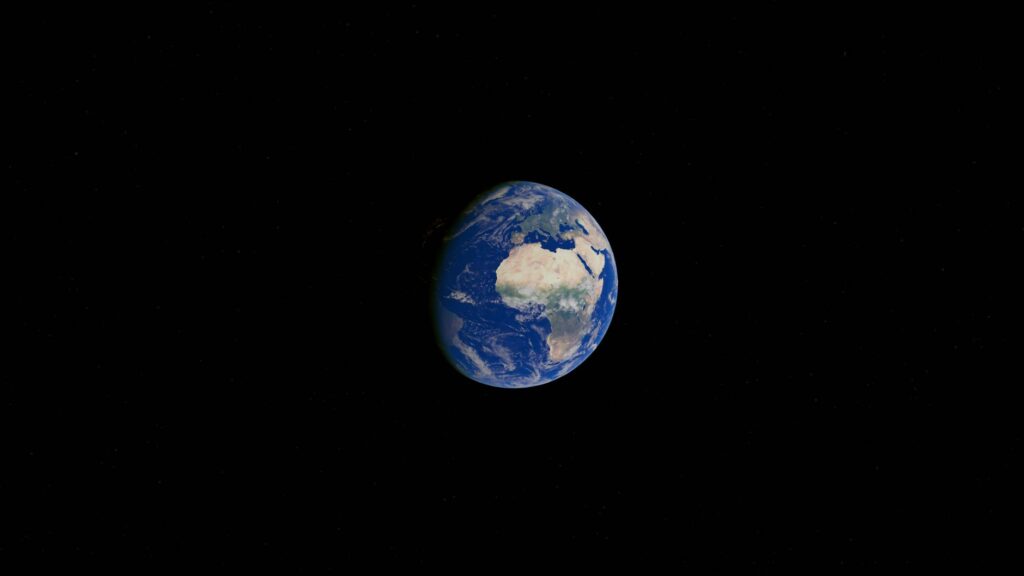
A new Nature paper shows that gravitational coupling between Earth's inner core and mantle is the primary driver of millisecond changes in day length over recent decades.
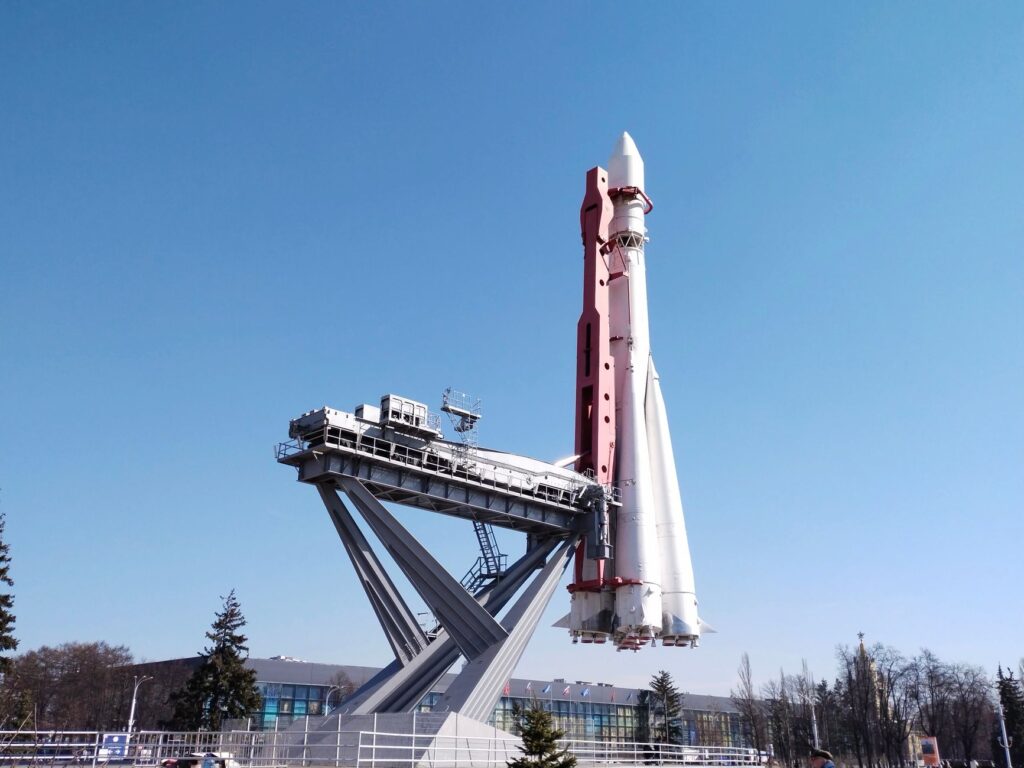
NASA will pay $359 million to Boeing for Starliner thruster repairs and order two additional crewed missions, securing U.S. access to low‑Earth orbit after SpaceX’s Dragon retires.
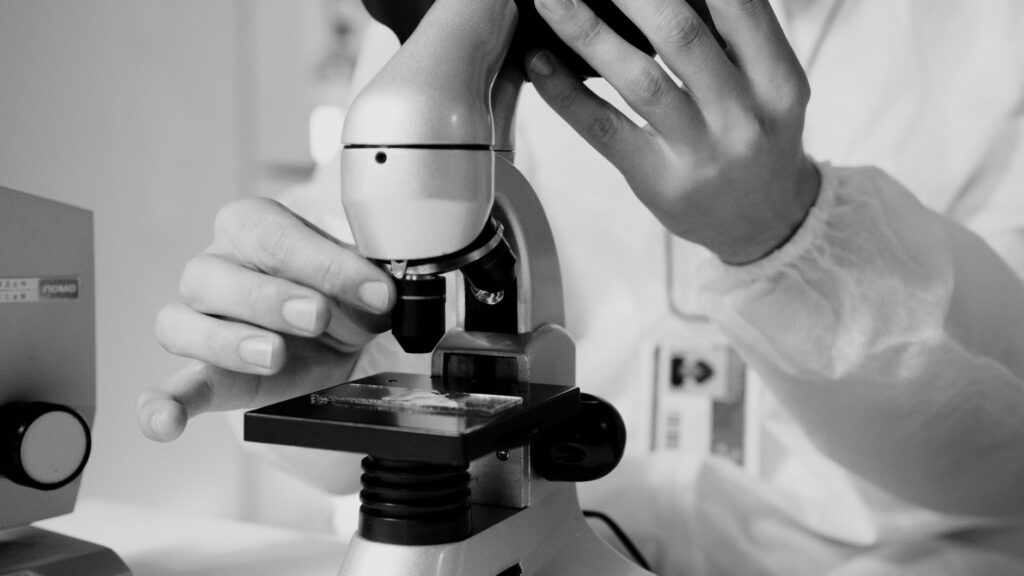
Evolutionary biologist Julia Van Etten turned an $80 motel room into a makeshift lab and identified two previously unknown photosynthetic Paulinella species, raising the known count to six.