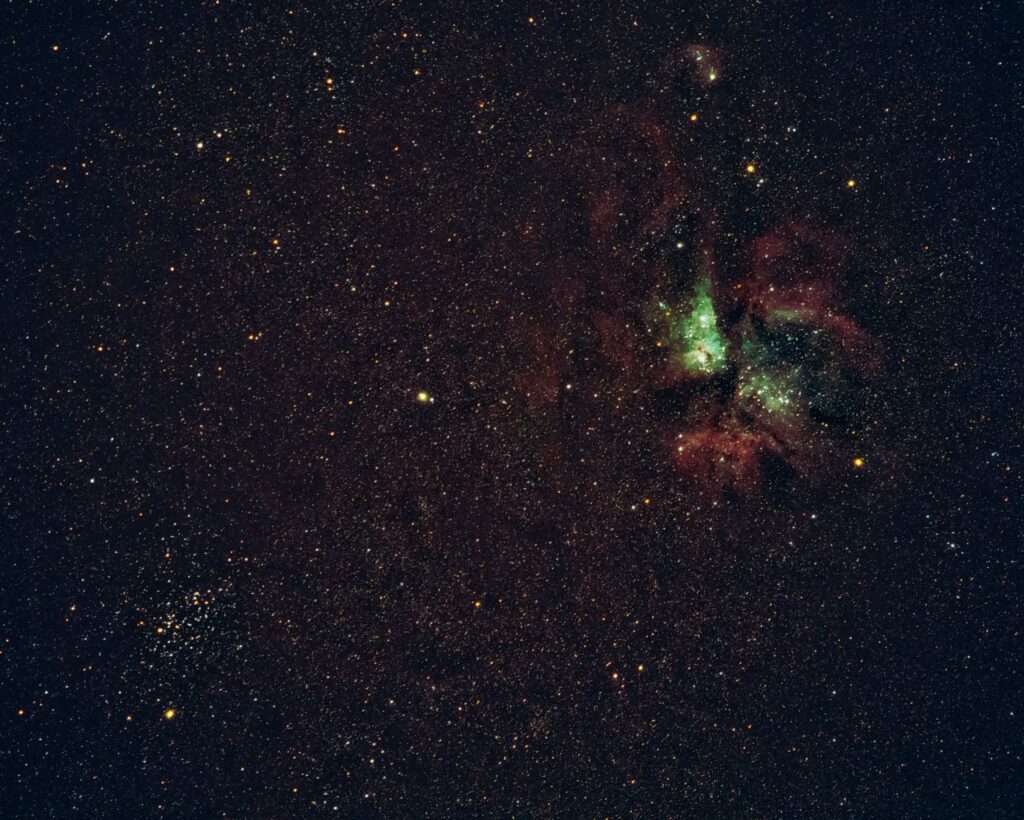
Astronomers have identified the distant galaxy "Shadow Blaster" as the likely source of a high-energy neutrino detected five years ago, providing the first evidence that such galaxies contribute to the universe's population of these elusive particles.
Posts published in “Science”

A rare daytime lunar occultation occurred on June 17, with Venus briefly disappearing behind the moon in a celestial event visible across North America.

NASA is undertaking an unprecedented mission to save its Swift space observatory from deorbiting by using a novel spacecraft to boost it into a higher orbit.
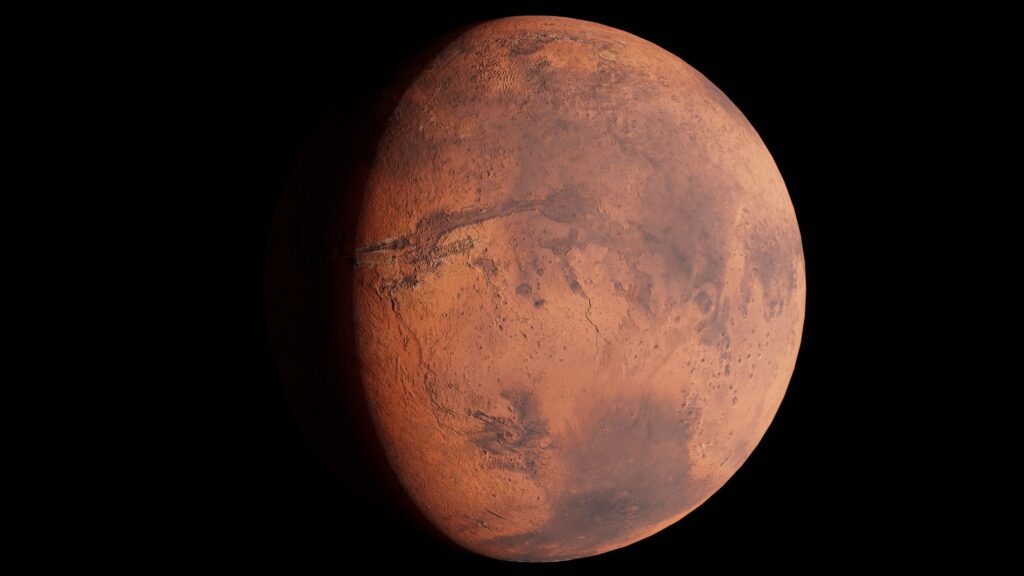
Researchers using the James Webb Space Telescope have discovered unexpected clouds composed of salt in the atmosphere of GJ504b, a planetary-mass companion known as the 'Pink Planet'.

Europe's Ariane 6 rocket successfully launched 36 Amazon satellites using upgraded boosters, setting a new record for the most cargo lifted to orbit by a European launcher.

NASA has awarded a $30 million contract to startup Katalyst Space Technologies to build and launch a satellite rescue mission for the Swift observatory in less than a year.

NASA and Relativity Space are forming a public-private partnership to advance Mars science. NASA will provide instruments, while Relativity Space handles spacecraft and launch.

Hundreds of Amazon satellites are ready for launch, but only Europe's Arianespace has delivered so far for the company's Project Kuiper constellation.

The moon will pass directly in front of Venus on June 17, 2026, in a rare daytime occultation visible across much of North America. The event presents unique viewing challenges and requires extreme caution.

Scientists have mapped the world's underground fungal networks, revealing a total length of 62 quadrillion miles. The research highlights their crucial role in ecosystems and advocates for their inclusion in conservation efforts.