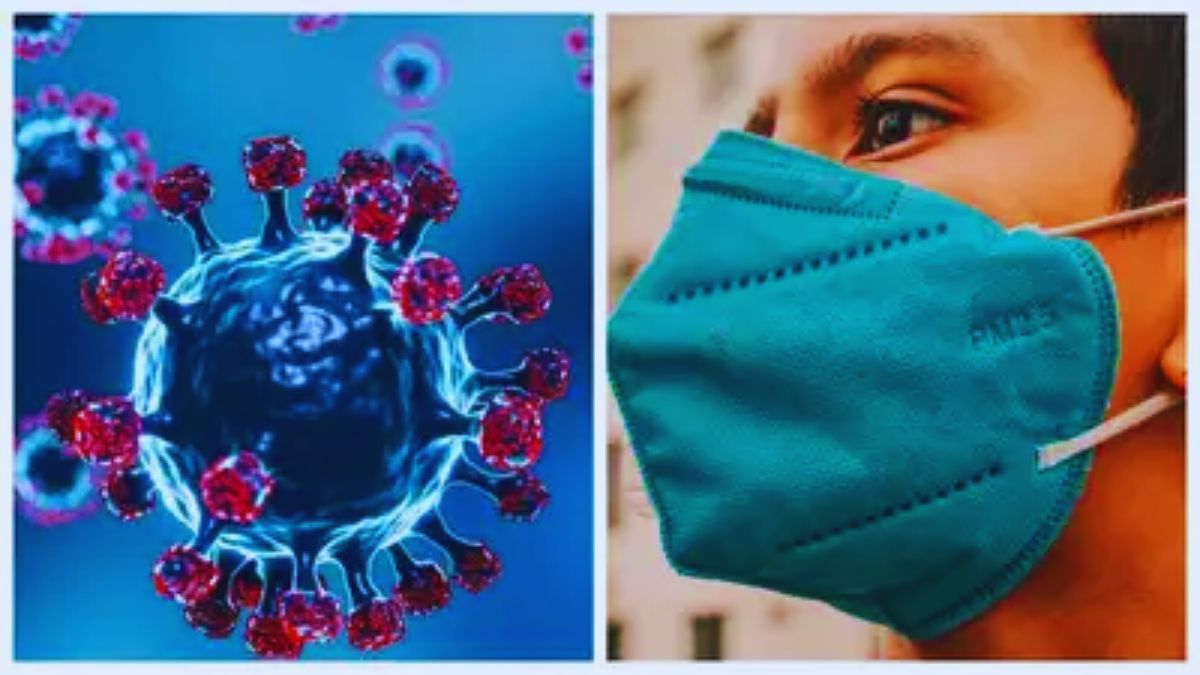
With Kerala leading the charts with over 430 active cases, officials prepare state governments to introduce safety measures amid concerns over a new COVID-19 variant spreading in parts of Asia.
One of the most dreadful events in recent history that shook people across the globe was Covid-19, the virus that brought life to a standstill. The bat virus from a Chinese province had wreaked havoc and caused widespread loss of lives for a long time. Just when the world thought life had progressed towards normalcy, the variant is back to hound us.
In the last few days, India has seen a surge in the number of active Covid-19 cases, with over 1000 plus individuals caught under the variant’s effect. The sudden spike in figures cannot be attributed to a particular reason, though the recorded numbers have paved way to examine the slowly rising alarming situation.
The Union Health Ministry’s Covid dashboard shows over 1000 active cases across the country as of May 26, with the states of Kerala, Maharashtra and Delhi reporting a surge in the active numbers.
As of May 2025, the World Health Organization (WHO) has classified LF.7 and NB.1.8.1 as the two sub-variants that are spreading amongst people. These have been accounted under ‘Variants Under Monitoring’, not as Variants of Concern or Variants of Interest. But predominantly these variants are reportedly driving the rise in COVID-19 cases in China and parts of Asia.
The most common variant remains JN.1, with 53% of current positive cases belonging to this category. Health officials and representatives from ICMR (Indian Council of Medical Research) and NCDC (National Centre for Disease Control) have emphasised that India’s present situation remains under watchful control, with no indication of a large-scale resurgence. Enhanced surveillance, early detection processes and response mechanisms are duly in place.
Is Covid-19 Rising Again?
With mild and subtle symptoms, experts have advised people not to panic. As cases rises in Kerala and cross the 400-mark, residents have grown their concern, with resultant spikes also being observed in Delhi, Maharashtra and Gujarat. Punjab region has also reported its first case earlier today and the health authorities have begun contact tracing to curb any rise.
The state of Maharashtra has witnessed 153 new cases, while Delhi has recorded 99 additional infections. All necessary steps are being undertaken by hospitals in these areas, to fully prepare and tackle the situation if the need arises.
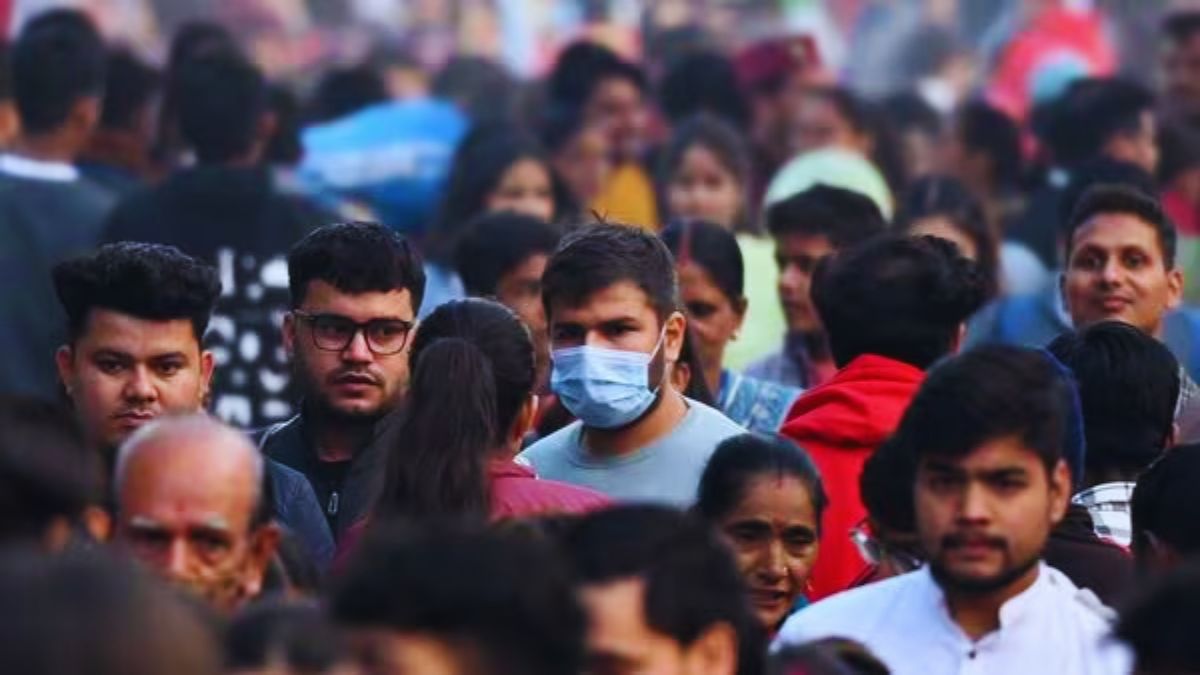 Though the current numbers may come across as alarming, continued monitoring, vaccination and hygiene practices will serve as the underlying factors to prevent another wave of this horrendous virus. Staying alert and vigilant with all precautionary measures in place is the general advice mandated by the health authorities.
The transmissibility and the effectiveness of the existing vaccine on these new identified variants have been under close monitoring to check for any possible gaps and vaccine efficacy. The current symptoms of COVID-19 in India are found to be mild and subtle. However, some common symptoms that have been listed are sore throat, fatigue, mild cough, fever, muscle aches, nasal congestion and headache.
General Safety Tips
Prevention is better than cure. Some comprehensive and expert-recommended preventive strategies to reduce your chances of infection and help curb community transmission have been listed.
- a) Wear a mask (preferably N95 or KN95) in crowded or enclosed spaces. Masks act as a barrier against airborne particles, especially in public places with limited ventilation.
- b) Continue wearing masks in hospitals, airports, public transport, shopping malls, or indoor gatherings. Always cover your nose and mouth properly.
- c) Avoid touching the front of your mask and wash reusable masks daily.
- d) Maintain physical and social distance, especially in public areas and transport modes.
- e) Experts have advised to take a rapid antigen or RT-PCR Test if any of the symptoms persist beyond 3-4 days.
- f) Avoid crowded places as an extra measure of caution, to maintain a stable health state, especially for people with low immunity bandwidth.
Situation Ahead
With a gradual increase in the Covid-19 cases in India, the vulnerability of people to contract the viral infection even after being fully vaccinated remains unpredictable. There are chances a person may get affected with one of the variants, as getting vaccinated doesn’t guarantee your body complete immunity from its ill-effects. It only provides an extra shield against getting heavy illness. Every person must take all the vaccine doses and the booster doses too.
The government bodies of several states have issued advisory notices amidst general uptick of Covid cases. Well, looks like the trend of donning masks may be seen again if the numbers keep flaring up in the days ahead.
Stay informed, stay safe!


Be First to Comment