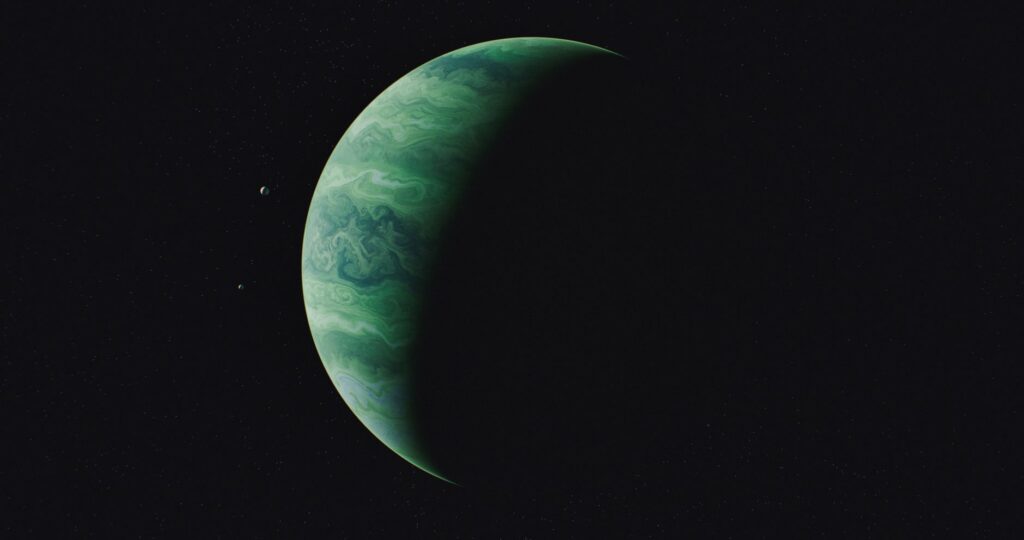
Researchers have identified a candidate Jupiter-mass planet, HD 156295 b, orbiting within the habitable zone of an A-type star nearly 2,000 °C hotter than the Sun.
Posts published in “Science”
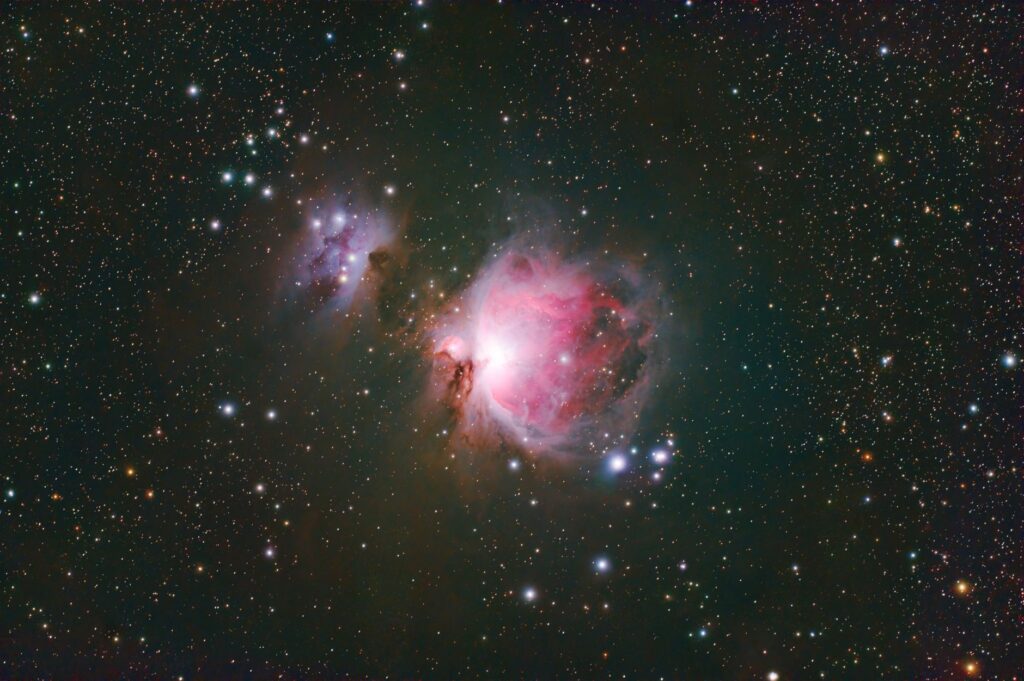
Astronomers have identified a hot white dwarf whose atmosphere contains trans‑iron elements and a photometric signal consistent with a second‑generation planet formed from stellar waste.
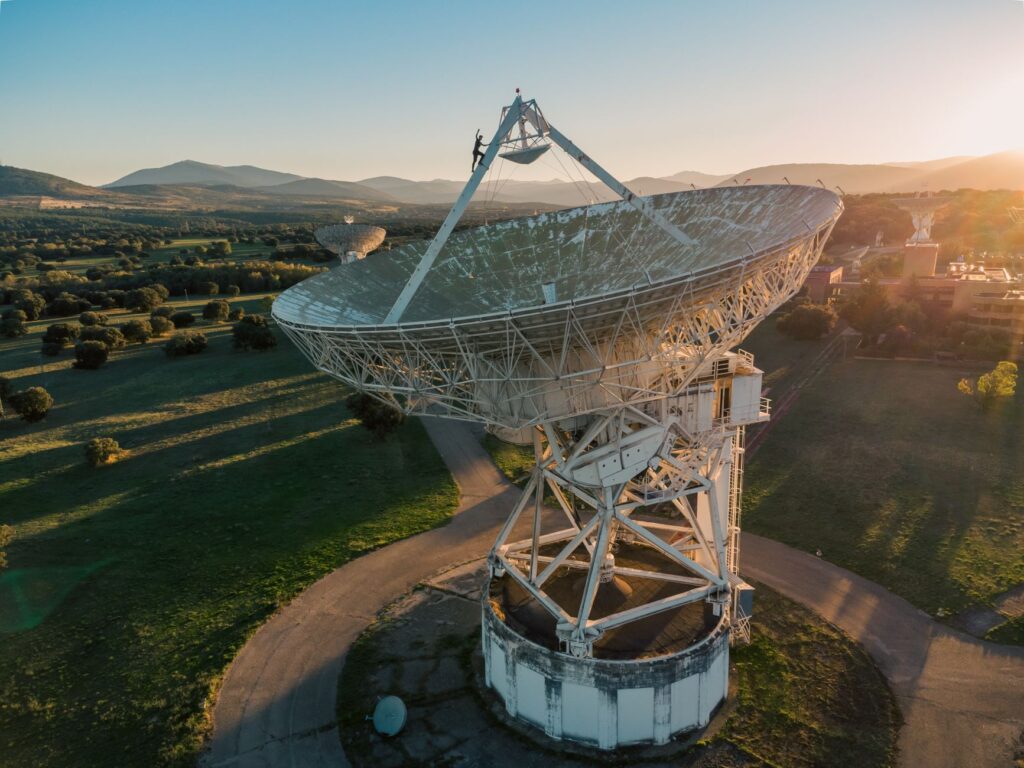
NASA has moved the PRIMA Probe Explorer mission into Phase B, positioning it as the agency's first far‑infrared survey spacecraft slated for a 2033 launch.
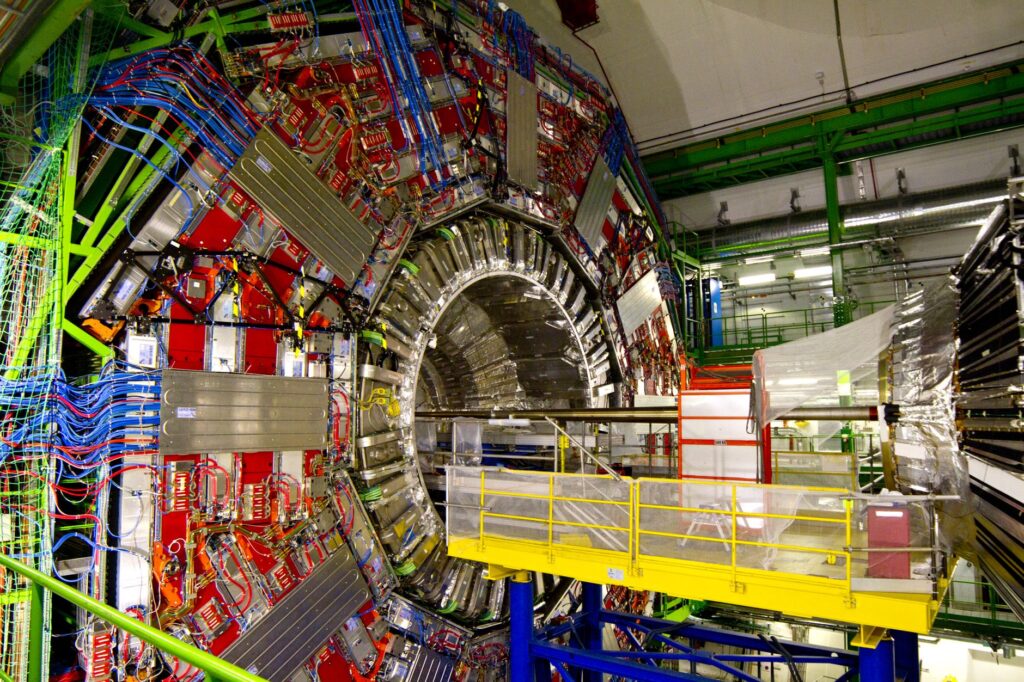
Physicists at Brookhaven's RHIC observed an unexpected dip in transverse momentum correlations from gold‑nucleus collisions, a possible sign of the long‑sought QCD critical point.
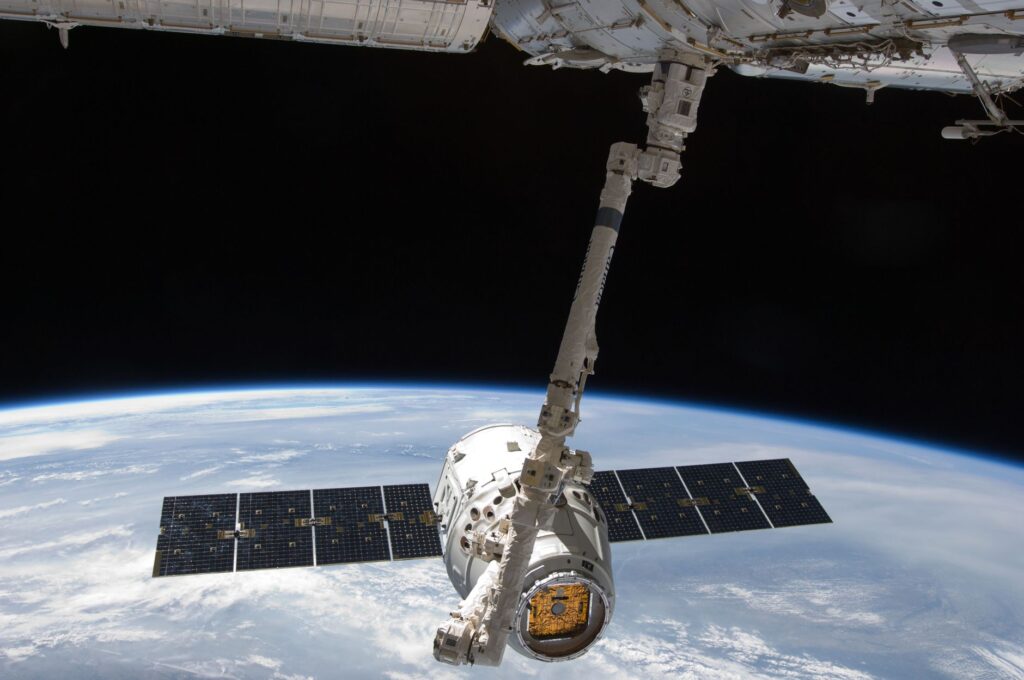
SpaceX’s Crew‑13 mission set a U.S. record for the fastest trip to the International Space Station, with commander Jessica Watkins becoming the first Black woman to lead a crew to orbit.
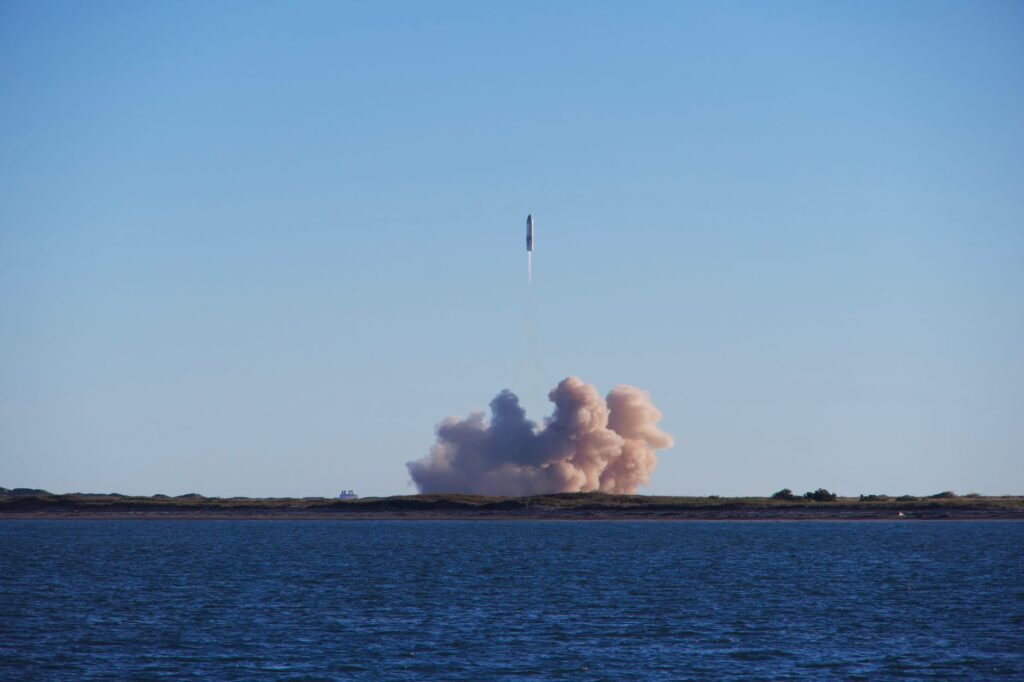
NASA is considering additional Starliner launches and a $359 million bailout as SpaceX signals a shift away from Crew Dragon, raising questions about the agency’s future access to low‑Earth orbit.
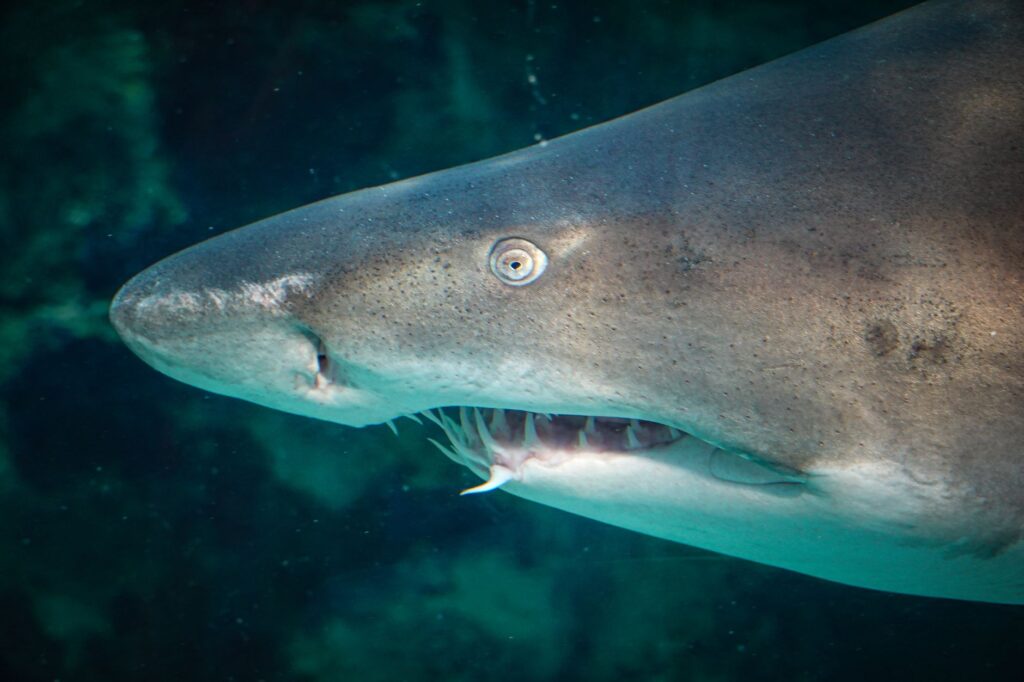
Great white sharks are being spotted more often off Canada’s Atlantic provinces as warming waters and rising seal numbers draw the predators north.
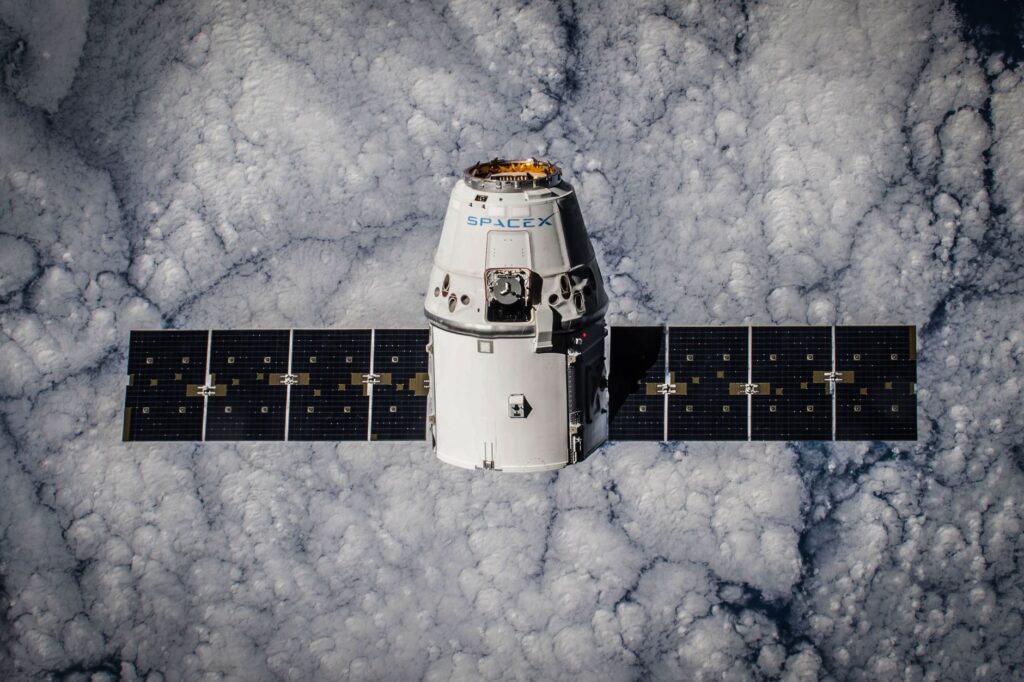
SpaceX’s Crew‑13 mission reached the International Space Station in eight hours, the fastest U.S. launch to the orbiting lab, carrying four astronauts including commander Jessica Watkins.
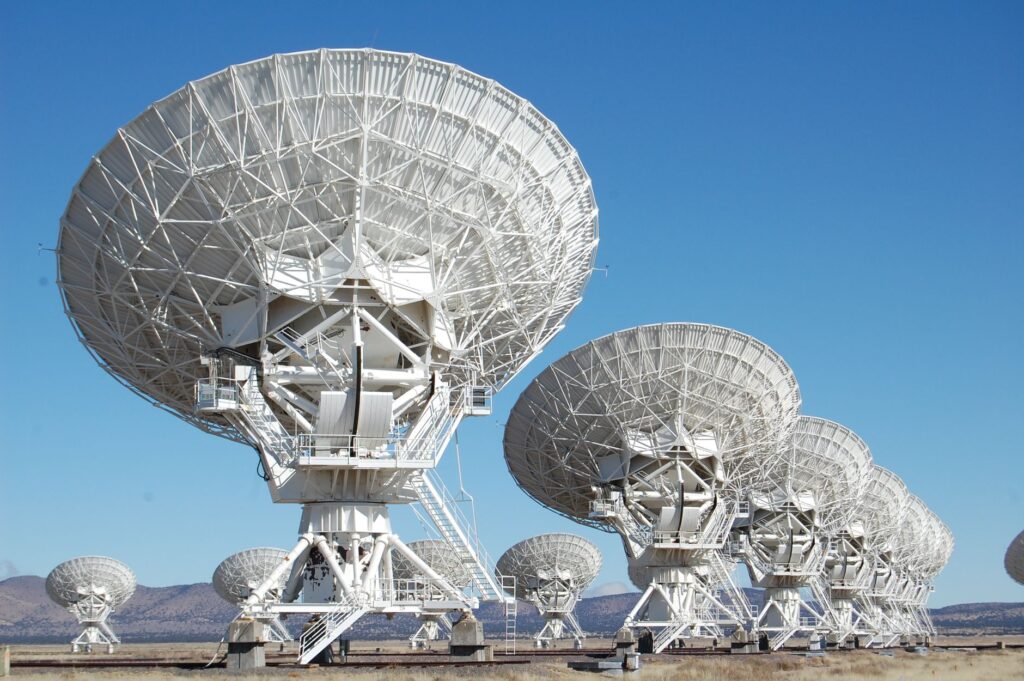
A team of astronomers has recorded repeating radio bursts from the gas giant Beta Pictoris b, revealing an exceptionally strong magnetic field but no signs of alien technology.
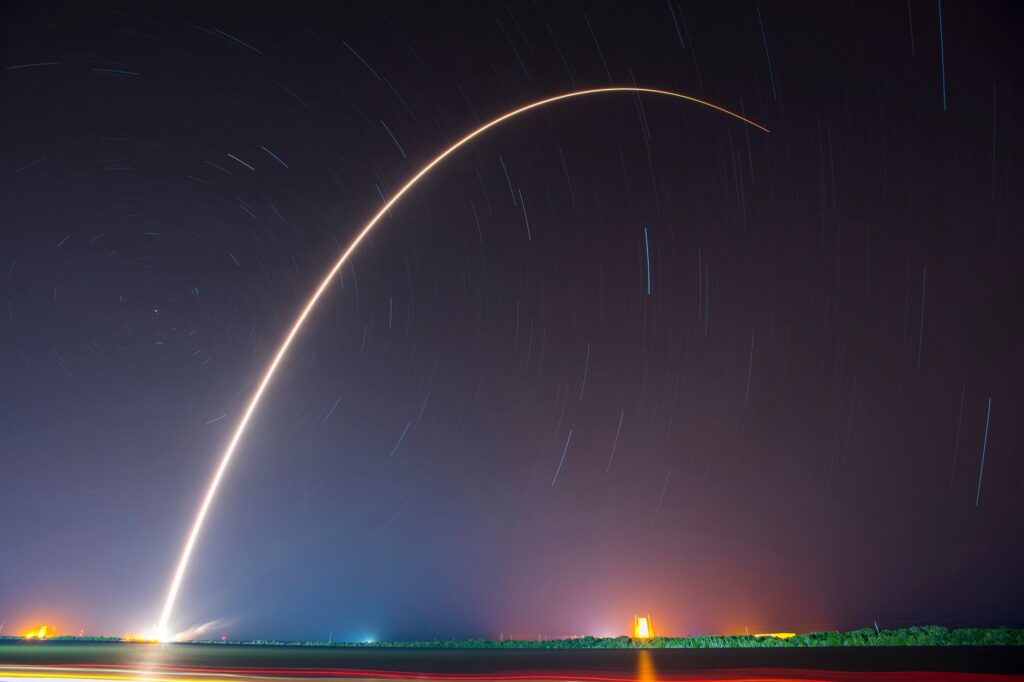
SpaceX capped a busy Thursday with a midnight Falcon Heavy launch of a classified NRO payload, achieving the first four‑booster landings in a single day and a possible final landing at Cape Canaveral’s historic Landing Zone 1.