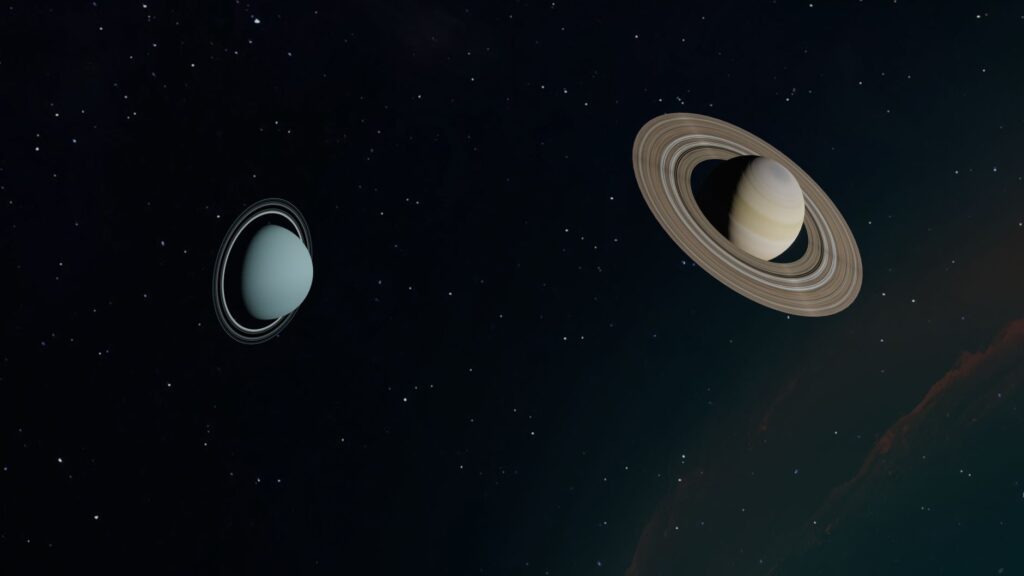
Saturn reaches opposition, appearing brighter and larger than any time this year, offering a prime viewing opportunity for skywatchers.
Posts published in “Science”
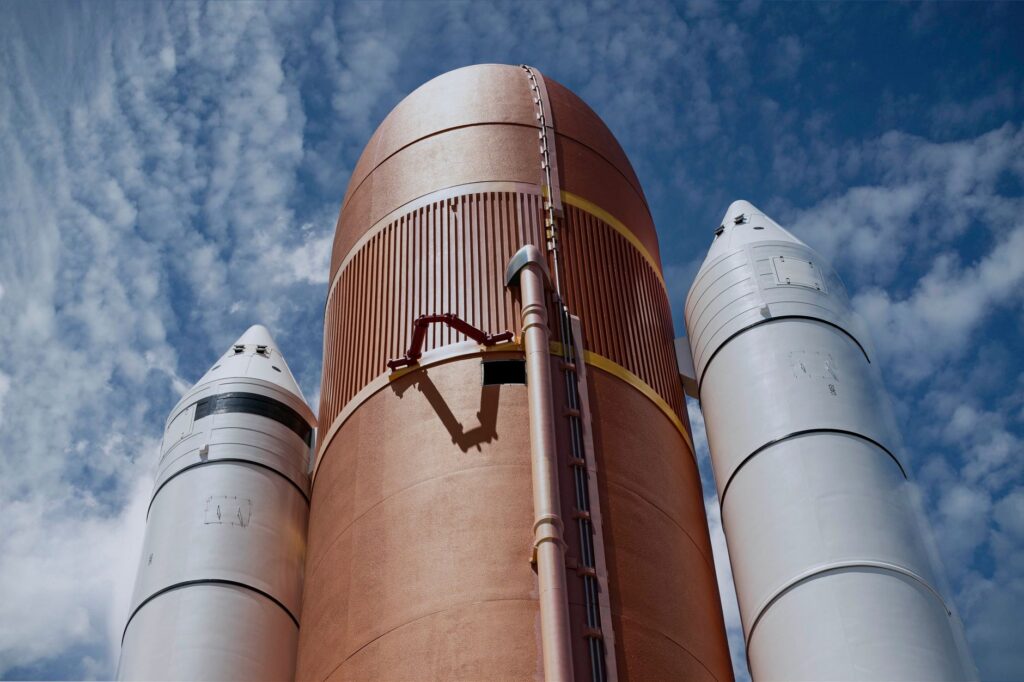
SpaceX's Transporter-18 mission lifted off from Vandenberg, deploying a Google AI pathfinder satellite and 129 other payloads, while the Falcon 9 first stage landed successfully.
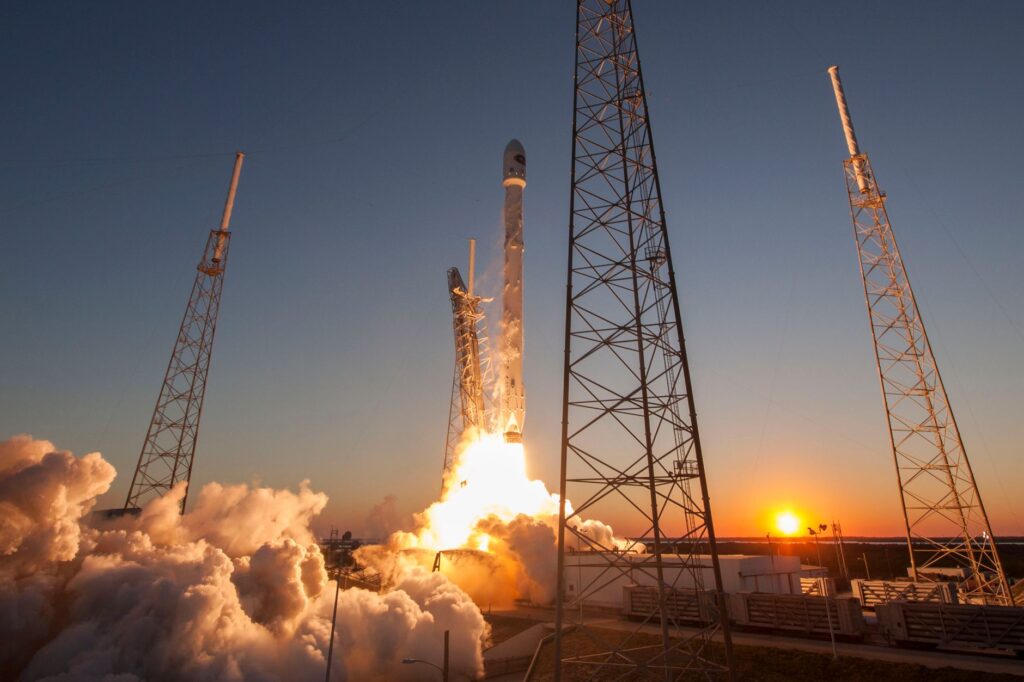
SpaceX launched a Falcon Heavy from Kennedy Space Center on Thursday night, marking the agency's first heavy‑lift mission for the National Reconnaissance Office.
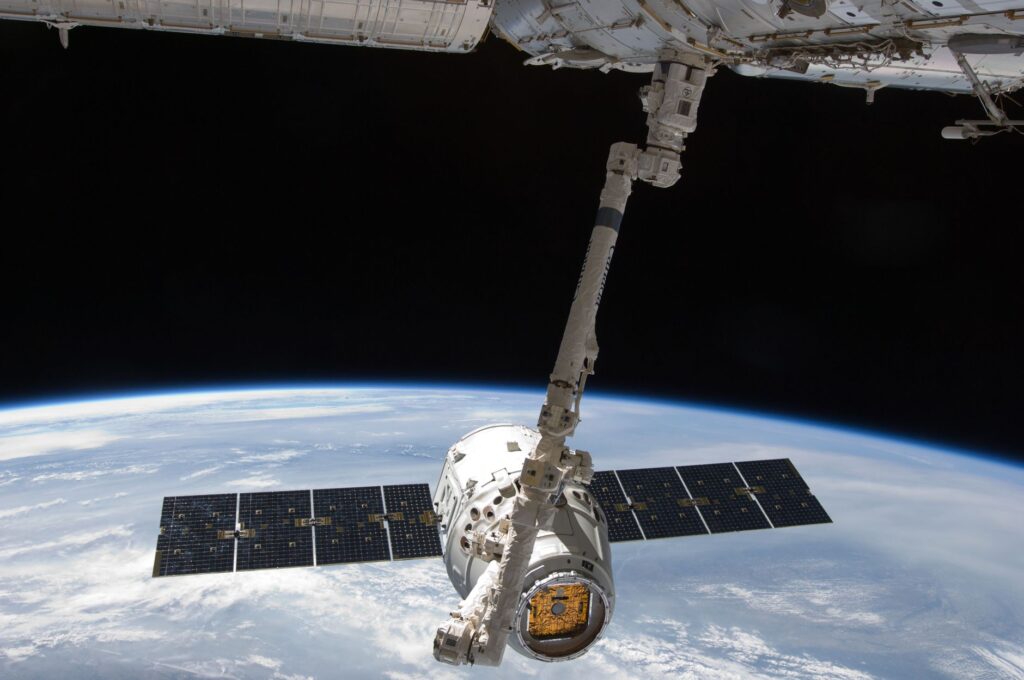
SpaceX’s Crew‑13 mission launched Thursday, achieving the fastest U.S. trip to the ISS and featuring Jessica Watkins as the first Black woman to command a crew to orbit.
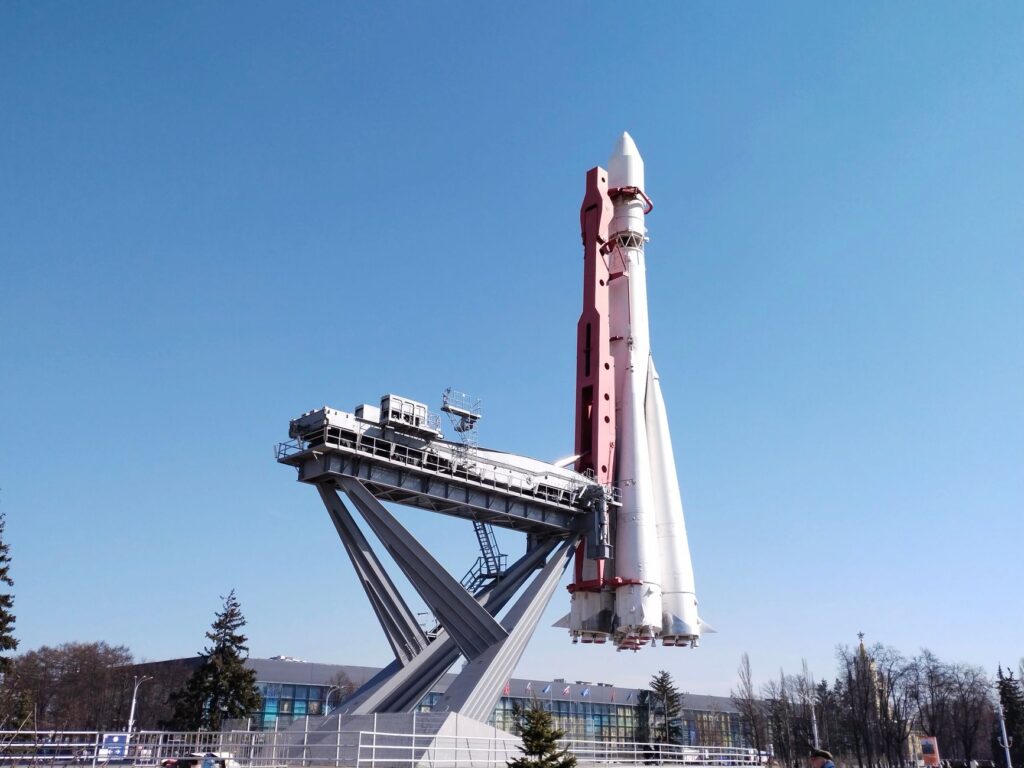
NASA announced a revised schedule for Boeing's Starliner, an uncrewed test no earlier than December and a crewed flight potentially in mid‑2028, alongside $359 million in upgrades and a shift to United Launch Alliance’s Vulcan Centaur.
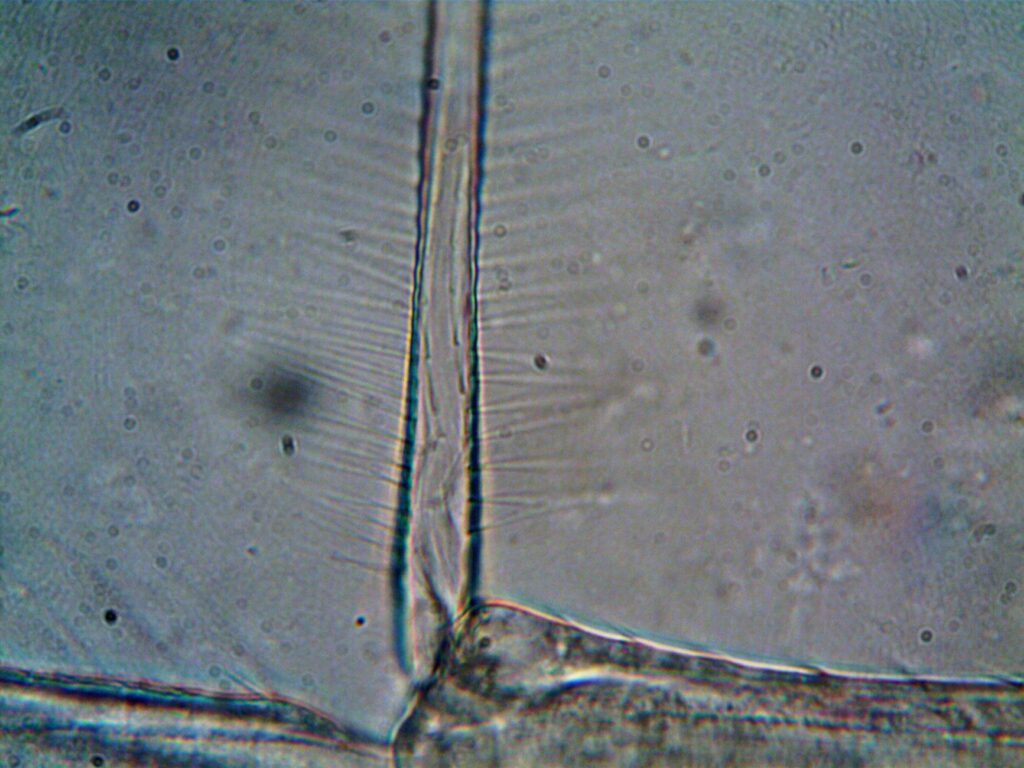
The winning video of Nikon's Small World In Motion contest is under review after scientists allege AI was used to create or alter the footage of cilia in a child's airway.
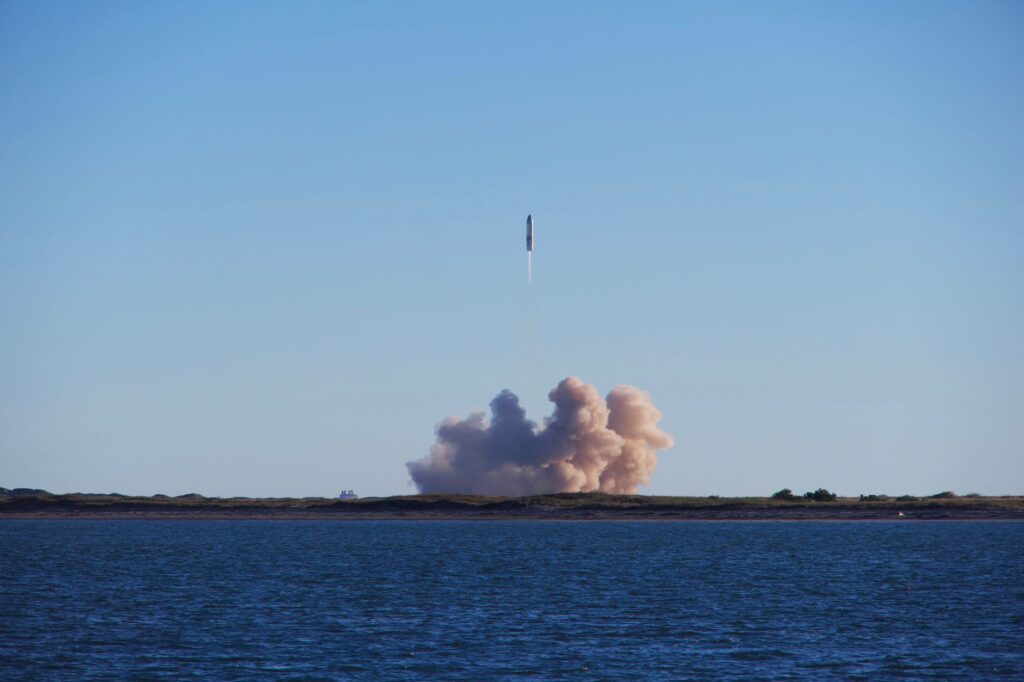
SpaceX plans to launch NASA's Crew‑13 mission to the International Space Station on Oct. 1, pending weather clearance.
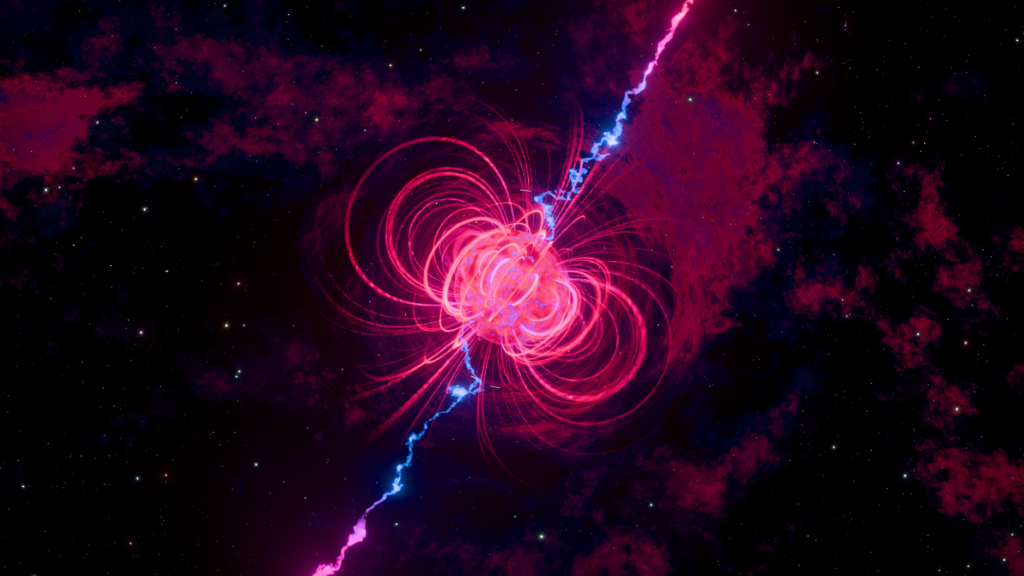
Orbital data have uncovered a dense, magnetized rock on the Moon’s far side, suggesting a strong early dynamo around 4.2 billion years ago.
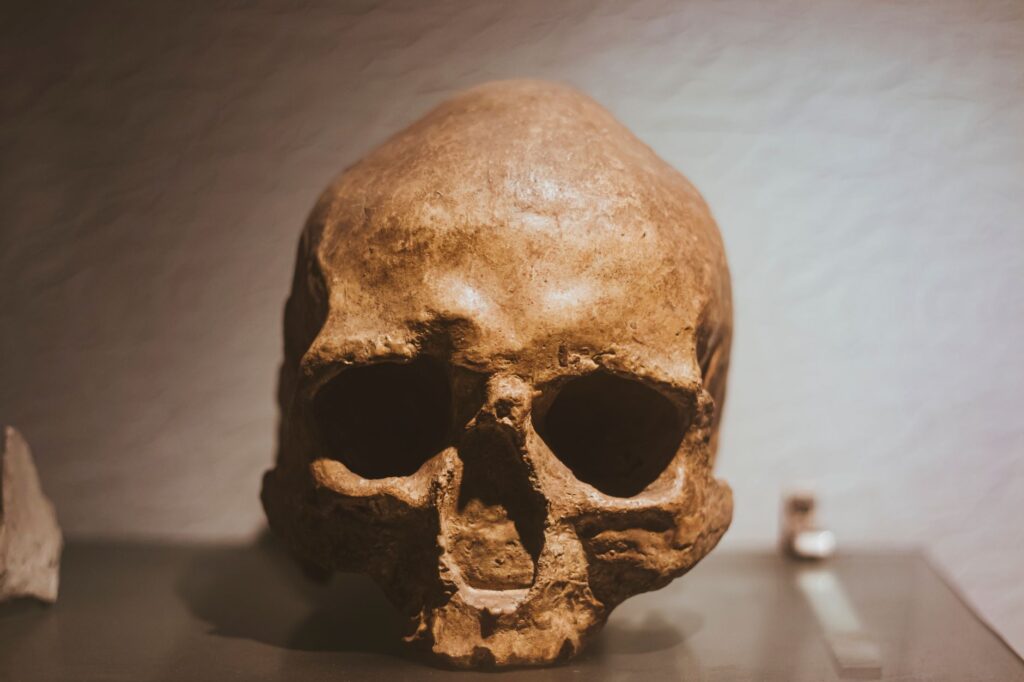
Scientists have digitally reconstructed the face of the oldest known Homo sapiens, dating back roughly 315,000 years, using a skull from Morocco.
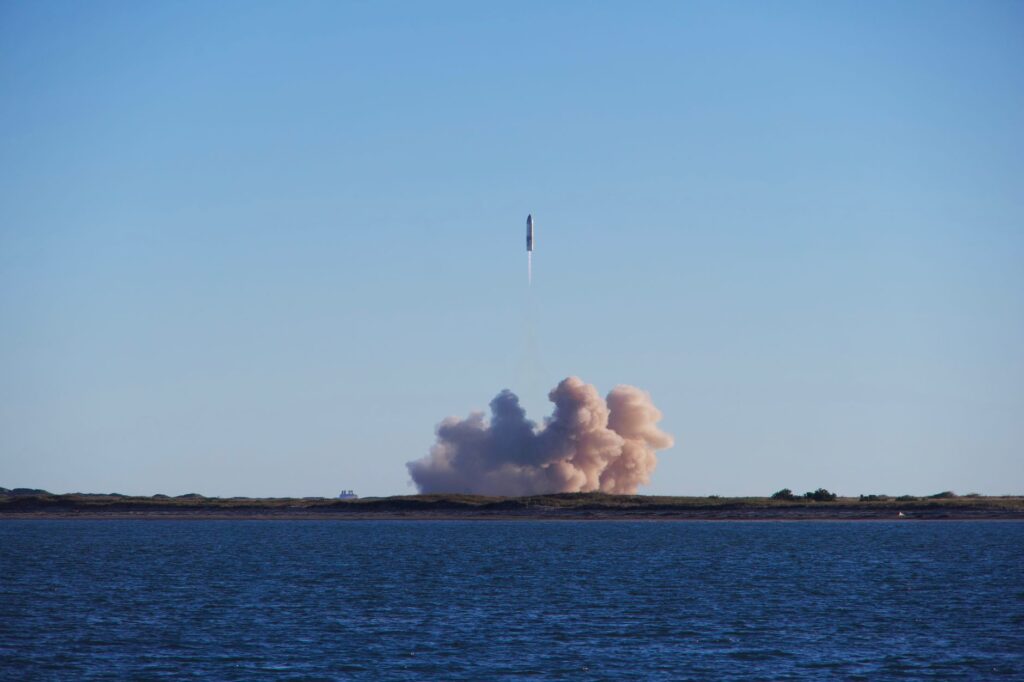
SpaceX launched its Super Heavy‑Starship on Monday, reached orbit despite an early engine shutdown, released 26 new Starlink satellites and splashed down early in the Pacific.