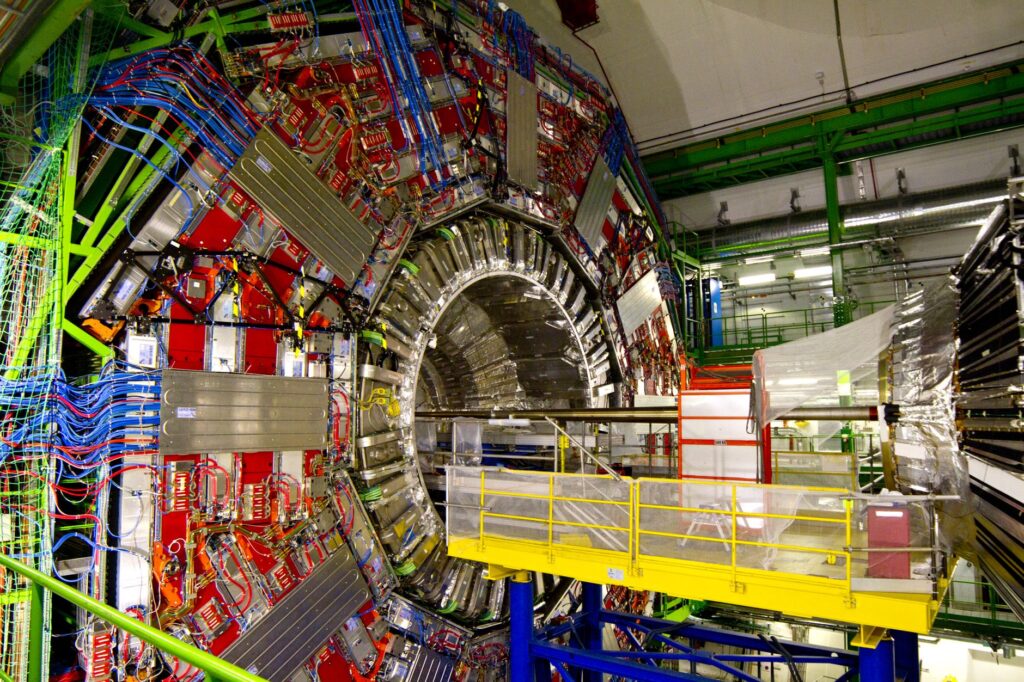
Physicists at Brookhaven's RHIC observed an unexpected dip in transverse momentum correlations from gold‑nucleus collisions, a possible sign of the long‑sought QCD critical point.
Posts tagged as “particle physics”
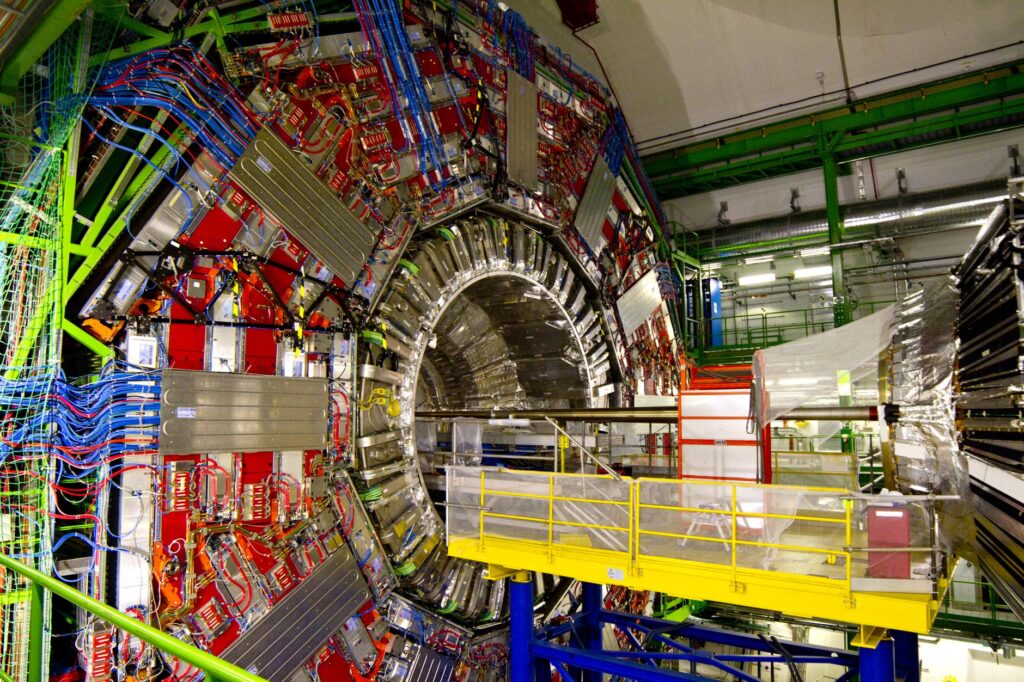
Physicists at the Large Hadron Collider have analyzed data up to 12 TeV and found no signs of tiny, short‑lived black holes, tightening limits on theories that predict extra dimensions.
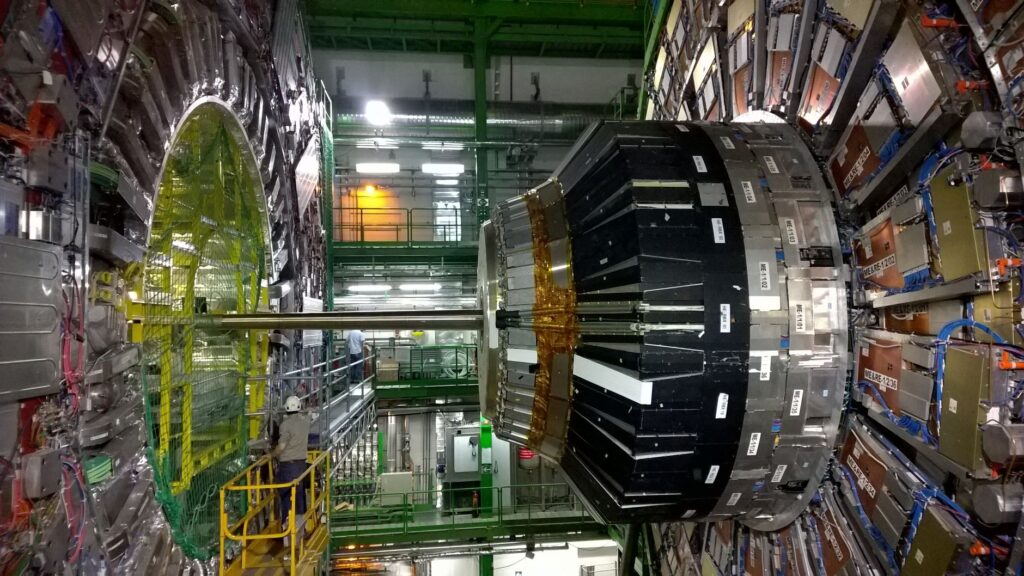
An international team behind the LZ detector observed a single high‑energy event in June 2023 that has a 0.5% chance of being background noise, sparking cautious optimism about a possible dark‑matter interaction.

The LUX‑ZEPLIN collaboration reports a lone, unexplained particle event in its underground xenon detector that matches predictions for a dark‑matter interaction, though it falls short of a confirmed discovery.

Scientists at the Sanford Underground Research Facility recorded a single, unexplained particle interaction deep underground, a result that could represent the first hint of dark matter.
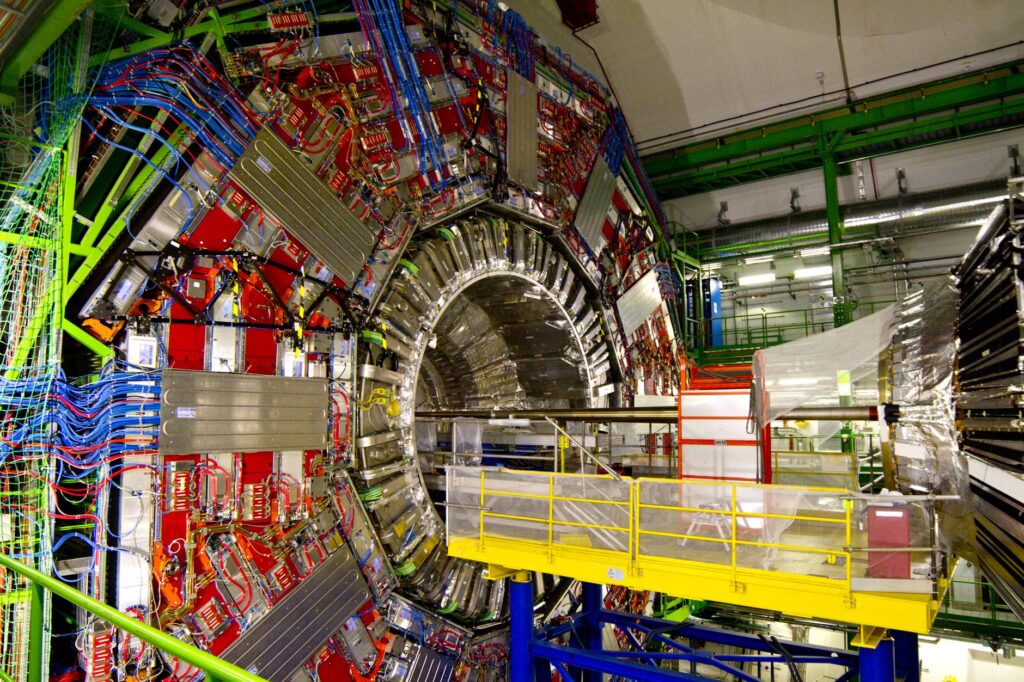
CERN researchers have produced quark‑gluon plasma using collisions of light oxygen‑16 and neon‑20 nuclei, demonstrating that the primordial state can be created in much smaller “little big bangs.”
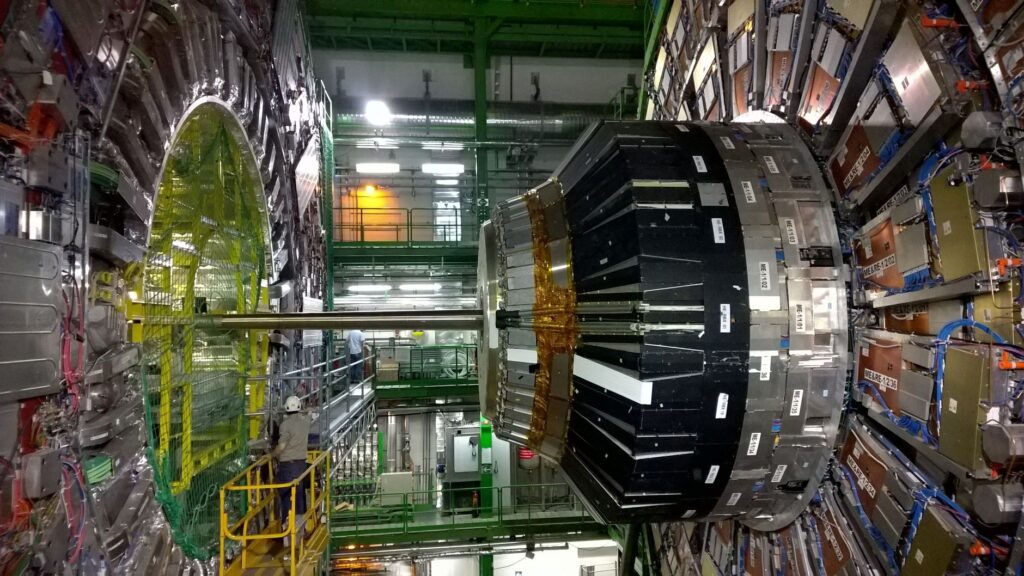
Decades of experiments using massive, deep underground detectors have begun to unravel the mysteries of neutrinos, elusive particles that can pass through matter virtually unimpeded.
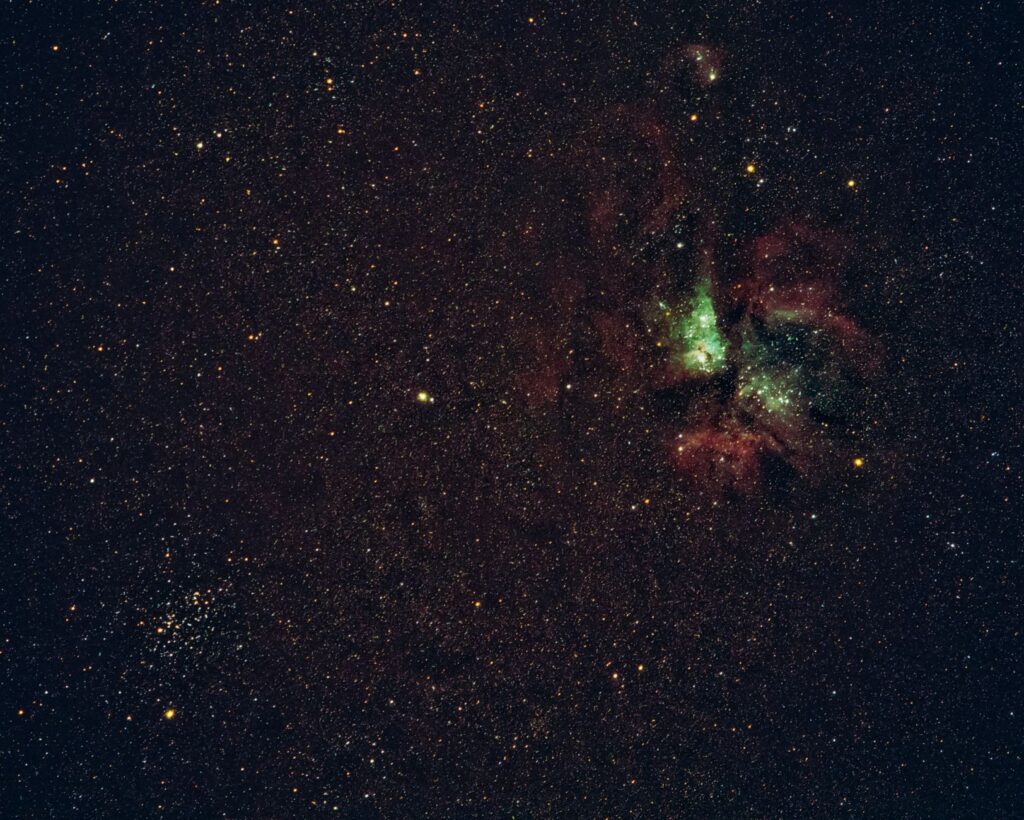
Astronomers have identified the distant galaxy "Shadow Blaster" as the likely source of a high-energy neutrino detected five years ago, providing the first evidence that such galaxies contribute to the universe's population of these elusive particles.