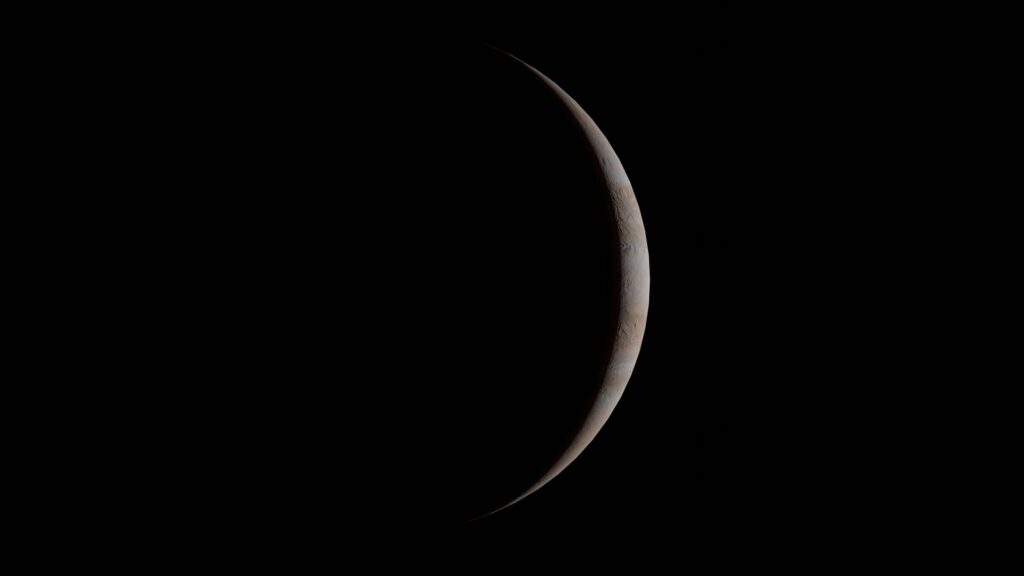
Early on Tuesday, Oct. 6, a waning crescent moon will pass in front of Jupiter, creating a rare lunar occultation visible from eastern North America and parts of Africa.
Posts tagged as “Moon”
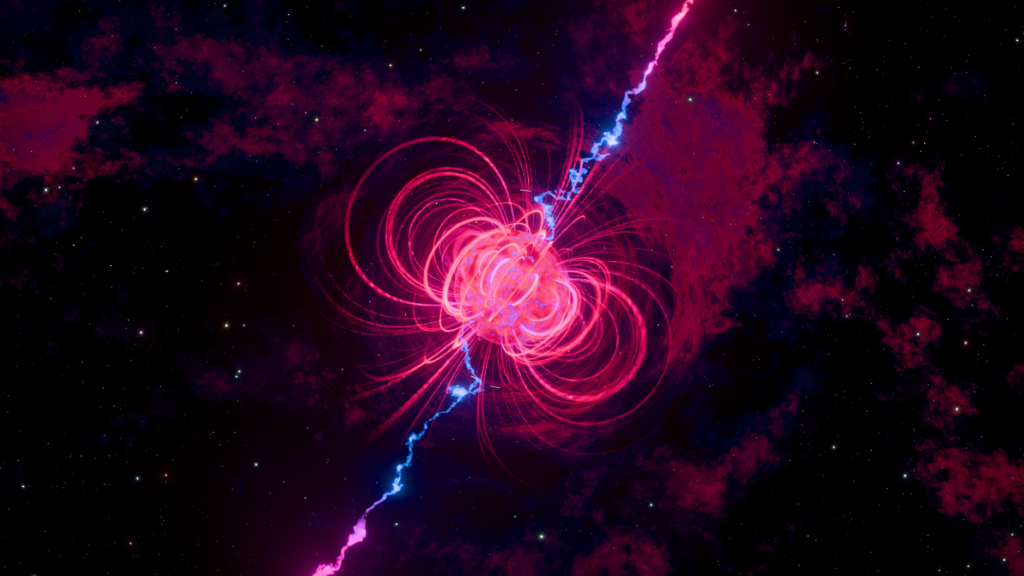
Orbital data have uncovered a dense, magnetized rock on the Moon’s far side, suggesting a strong early dynamo around 4.2 billion years ago.
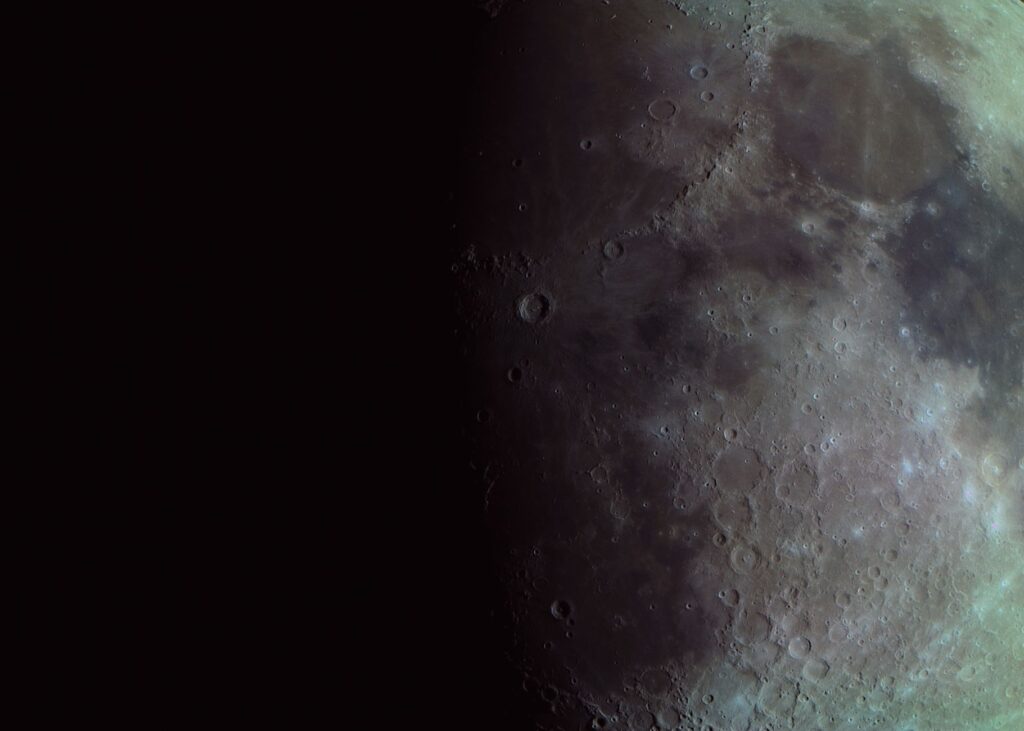
Scientists have identified a 222‑meter crater on the Moon’s eastern limb, the largest fresh impact seen in modern monitoring and a once‑in‑a‑century event.
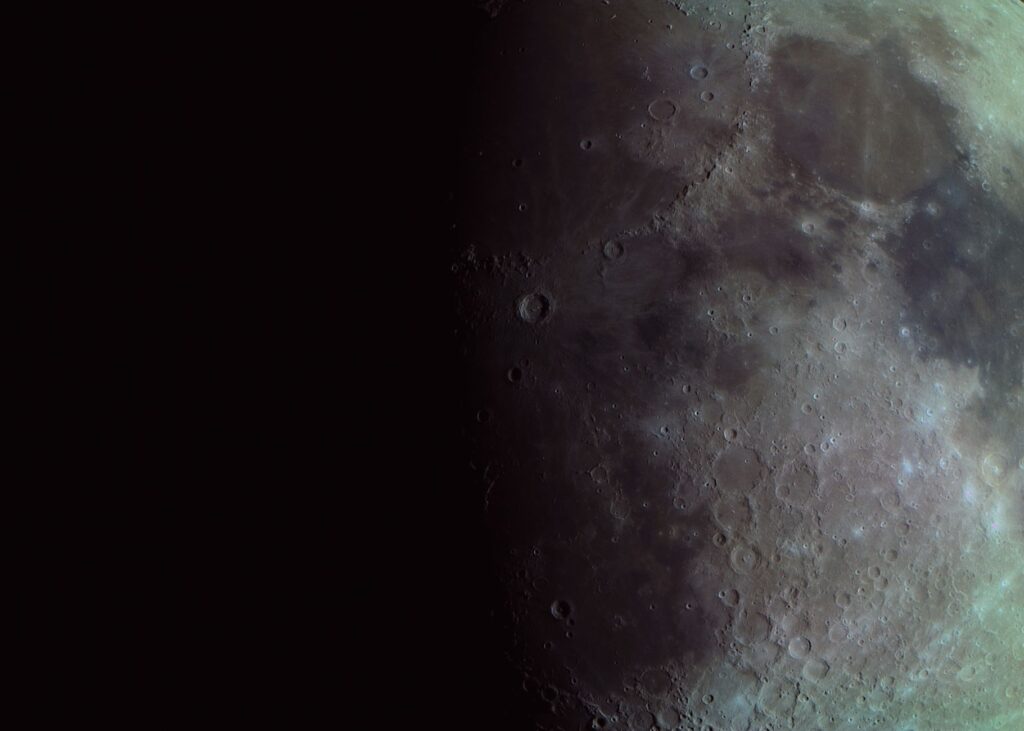
Scientists have identified a 728‑foot crater on the Moon, named McGetchin, created by a rare impact in 2024 and accompanied by a 4‑mile cold spot.
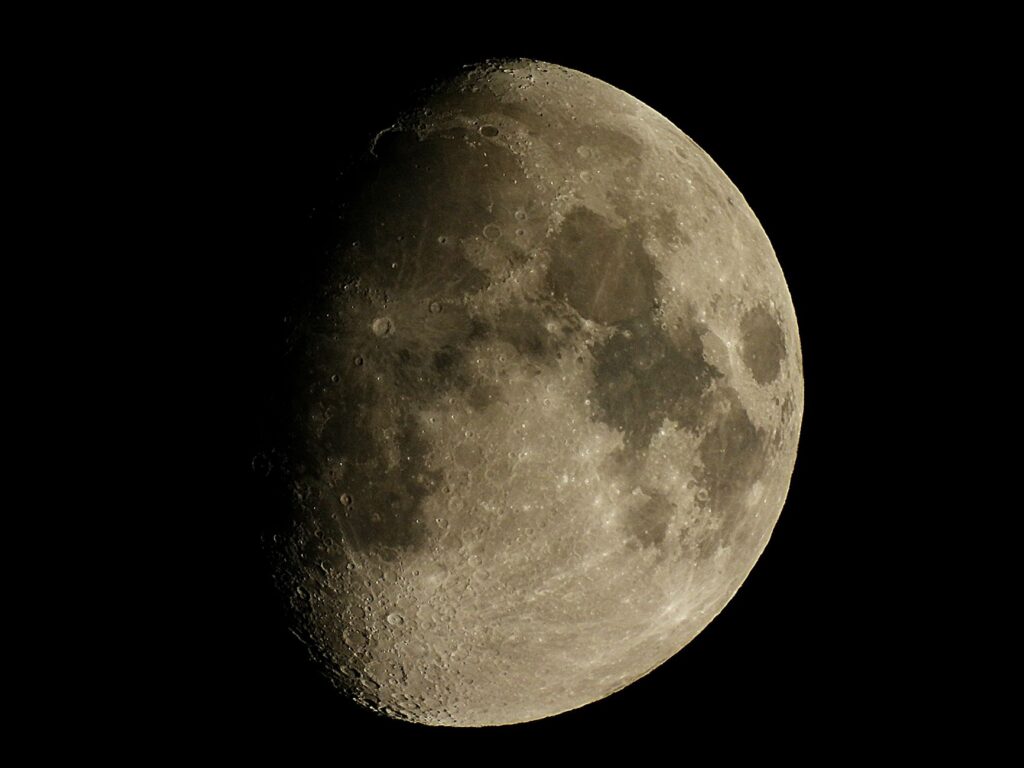
NASA researcher Robert Wagner spotted a bright patch on the Moon that turned out to be the largest newly formed impact crater ever recorded, now named McGetchin Crater.
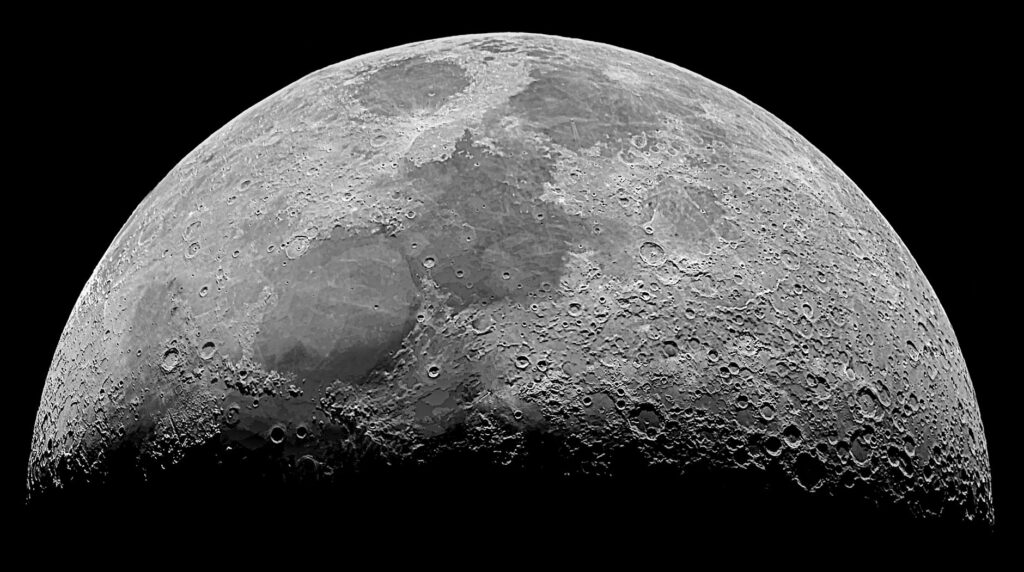
NASA's Lunar Reconnaissance Orbiter has identified a fresh crater on the Moon that measures about 728 feet across—larger than the Roman Colosseum—providing a rare glimpse of a recent impact.
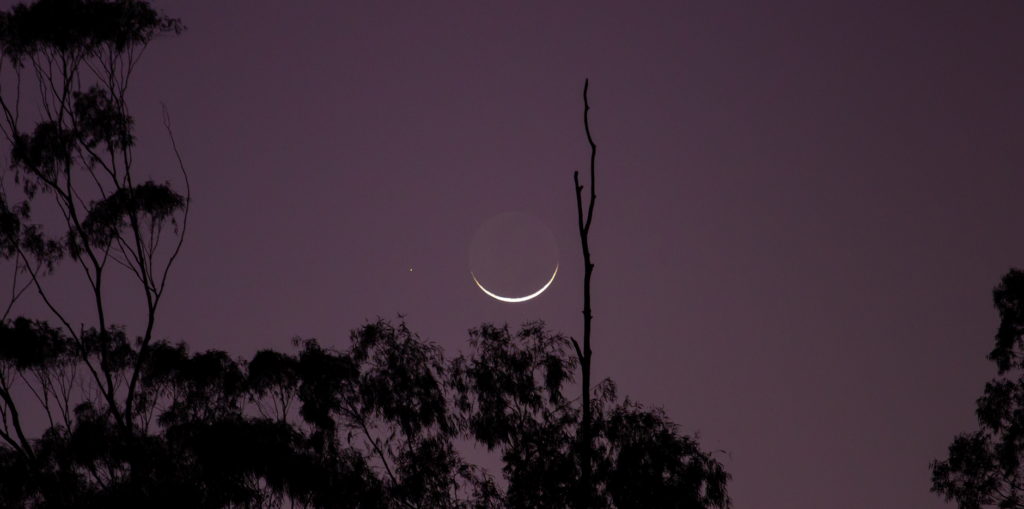
After sunset on Monday, a thin crescent moon will point the way to a brilliant Venus in the western sky, offering a striking view for skywatchers.
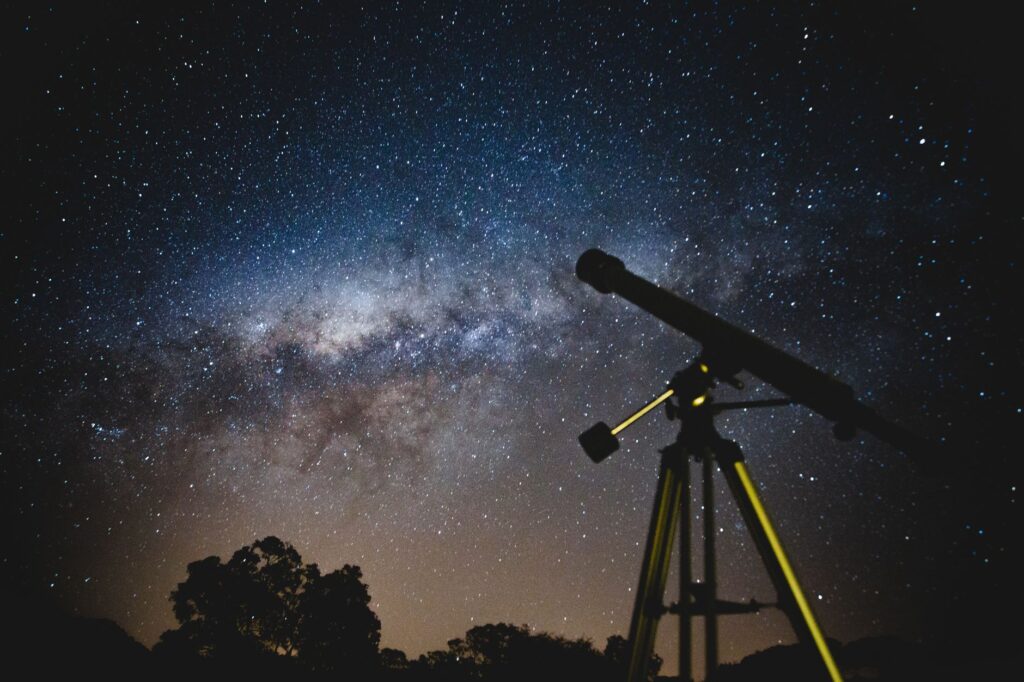
A day‑by‑day rundown of September’s best celestial sights, from Andromeda and Venus to a blinking nebula and striking lunar events.
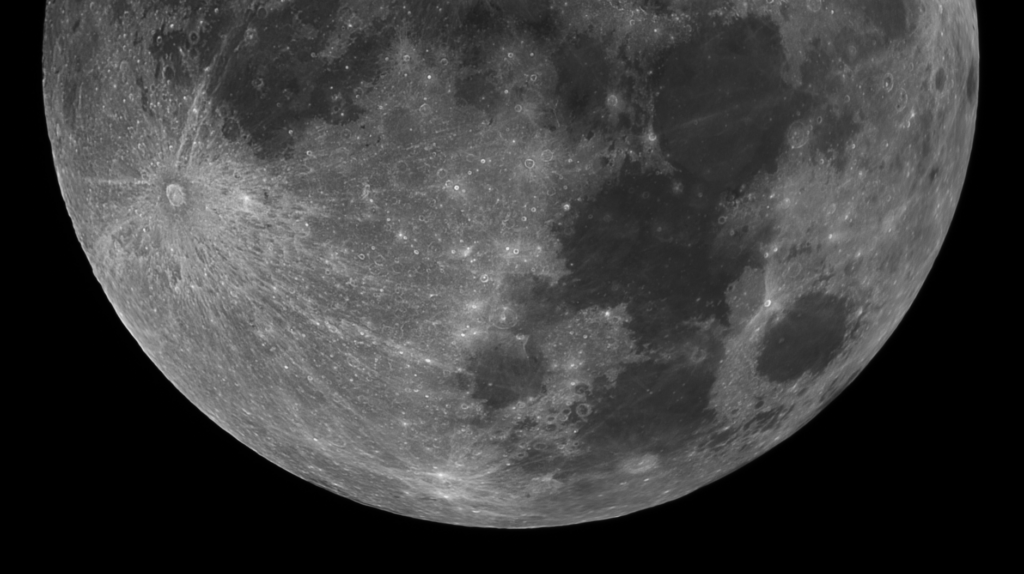
China’s Chang’e‑7 lunar probe, aimed at detecting water ice at the Moon’s south pole, has been postponed beyond its 2024 launch window, citing launch conditions and weather.
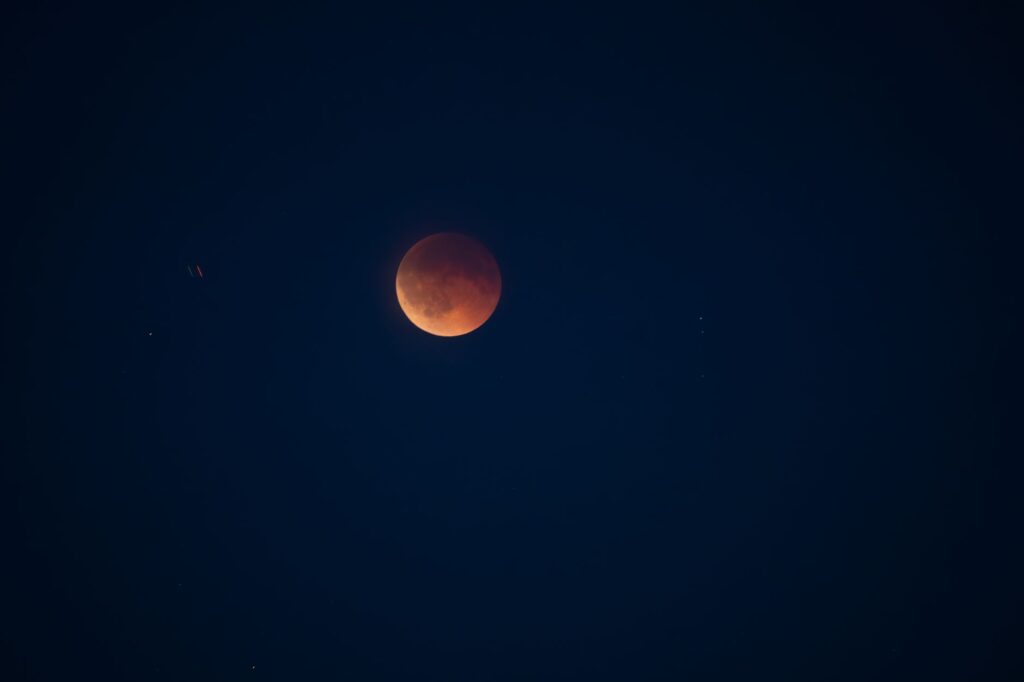
A deep partial lunar eclipse on Aug. 27‑28 covered 96.2% of the Moon, offering an “almost blood moon” view for observers across the globe.