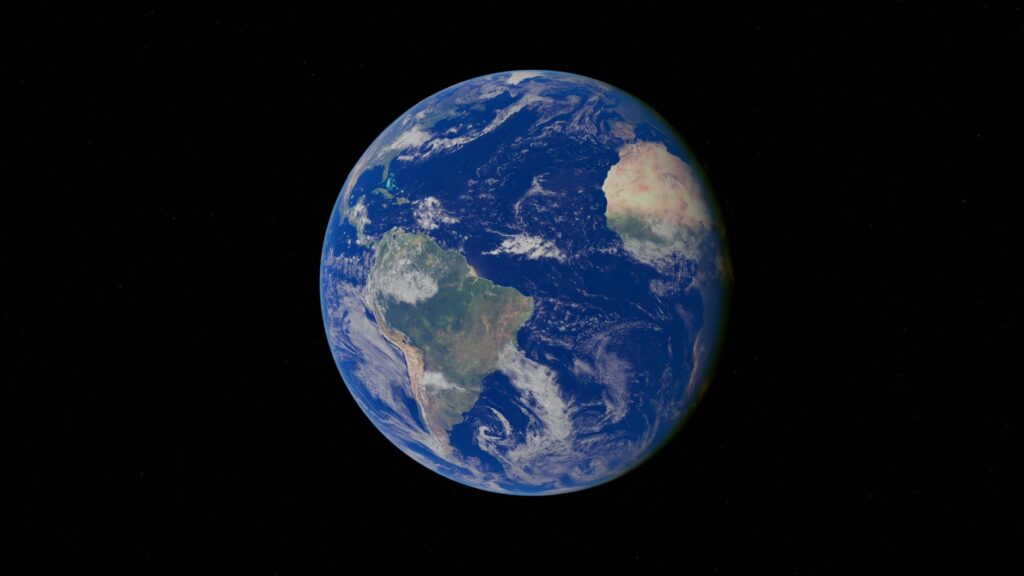
Twenty years after the International Astronomical Union stripped Pluto of planetary status, scientists and the public remain divided over whether the decision was a mistake.
Posts published in “Science”
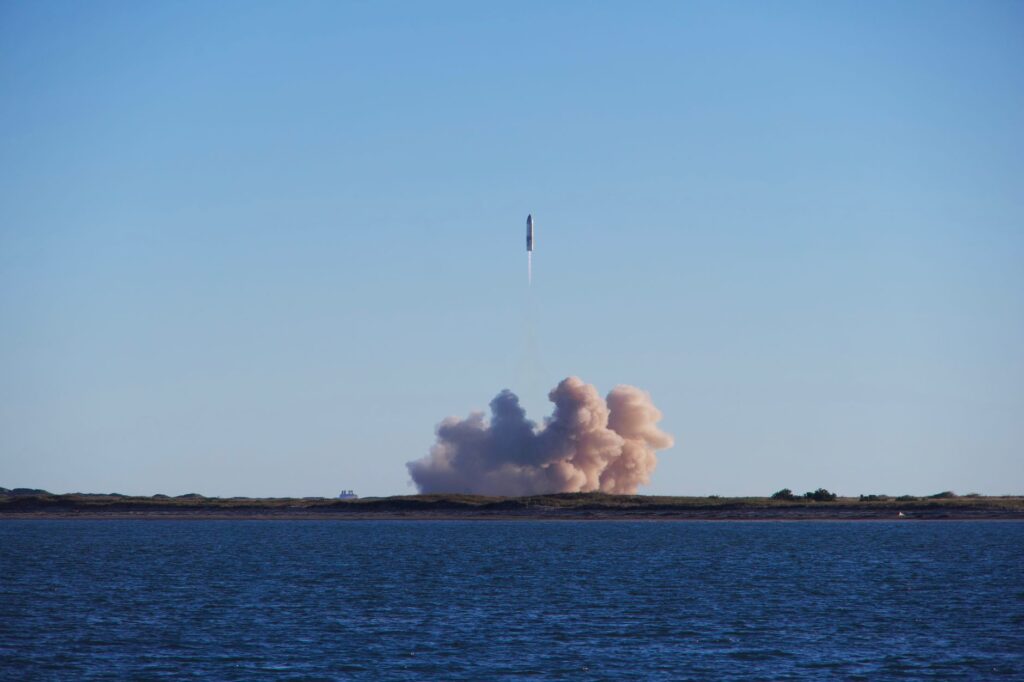
President Trump phoned a NASA briefing on Aug. 30 to commend the successful launch of the Nancy Grace Roman Space Telescope, a mission he previously sought to cancel.
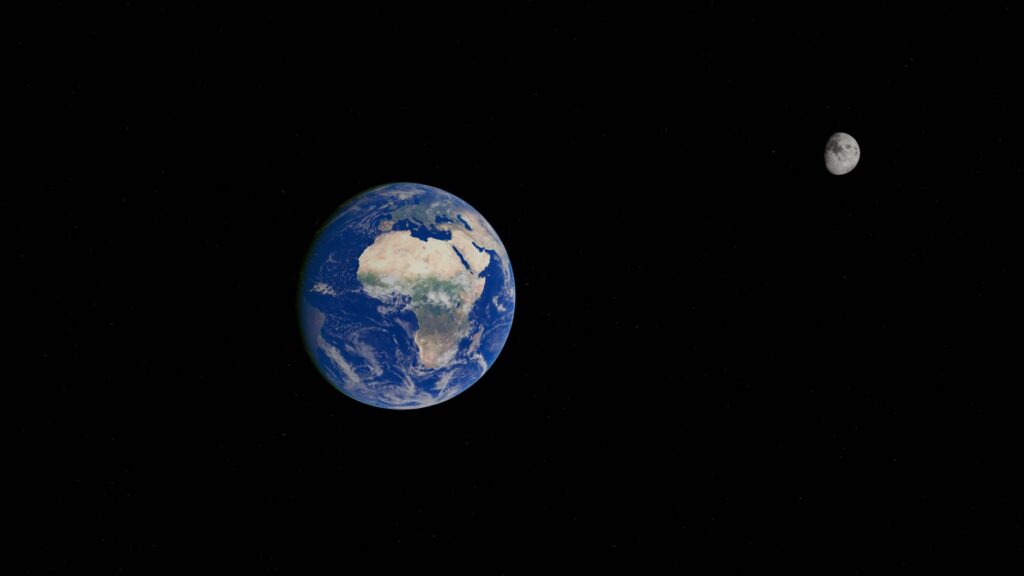
A thought experiment shows that if the Sun disappeared instantly, Earth would lose direct sunlight after about 8 minutes 19 seconds, while a hypothetical sound‑speed signal would need roughly 13.8 years to arrive.
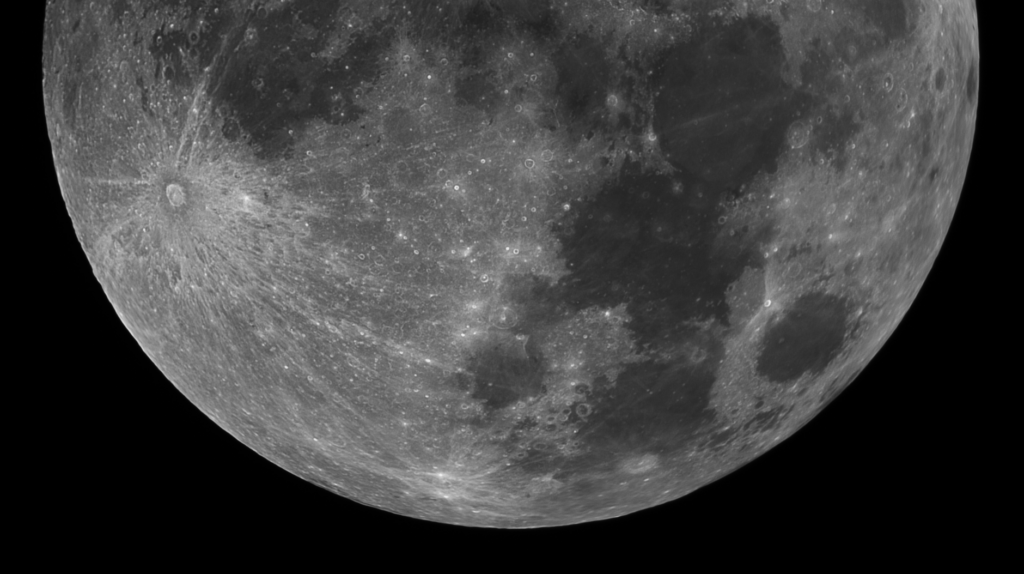
China’s Chang’e‑7 lunar probe, aimed at detecting water ice at the Moon’s south pole, has been postponed beyond its 2024 launch window, citing launch conditions and weather.
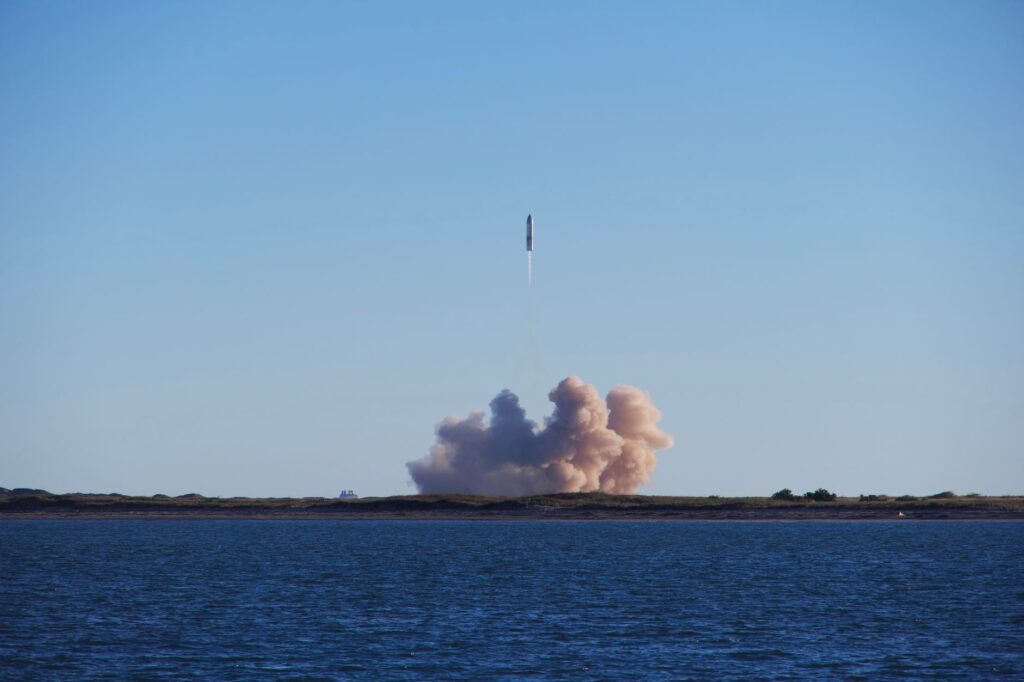
NASA confirmed the Nancy Grace Roman Space Telescope is “go” for launch on a SpaceX Falcon Heavy from Kennedy Space Center on Aug. 30, targeting the Sun‑Earth L2 point.
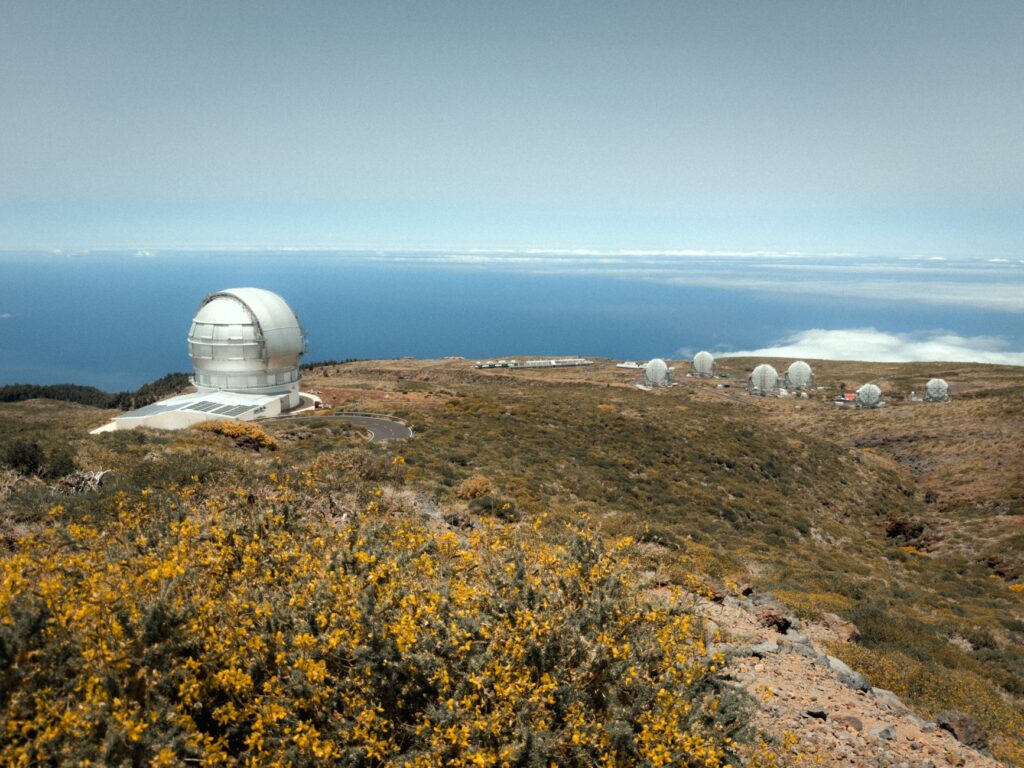
A private rescue attempt for the Swift observatory failed, leaving the aging spacecraft to fall back to Earth in an uncontrolled re‑entry sometime after October.
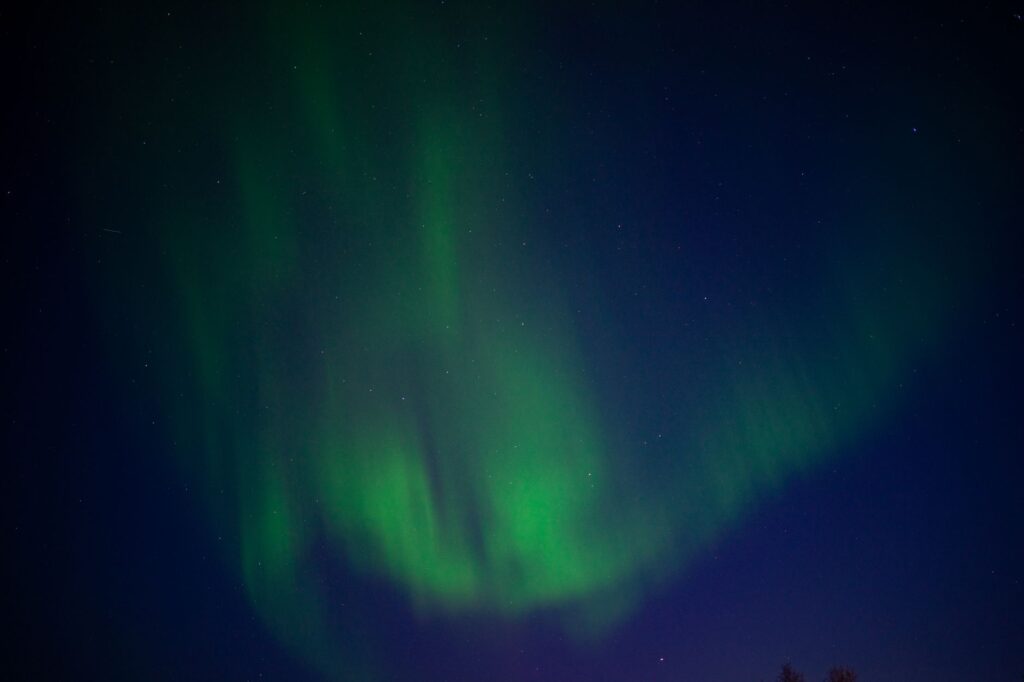
A moderate geomagnetic storm could bring the aurora borealis to parts of the northern United States on Friday night, NOAA says.
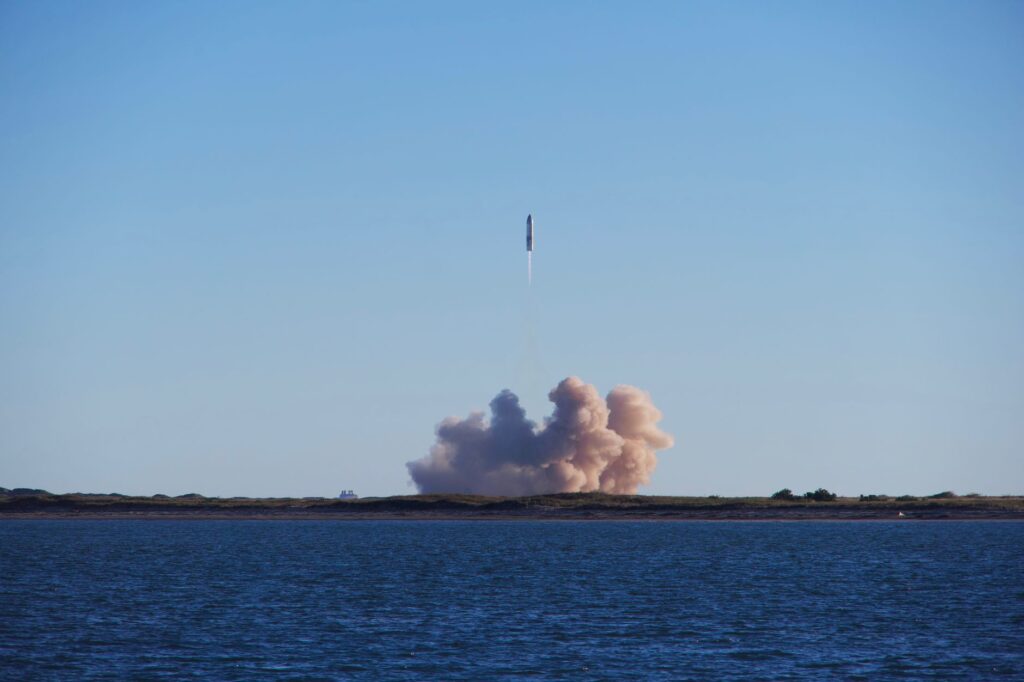
NASA’s Nancy Grace Roman Space Telescope is slated to lift off aboard a SpaceX Falcon Heavy from Kennedy Space Center on Aug. 30, beginning a mission to study dark energy and exoplanets.
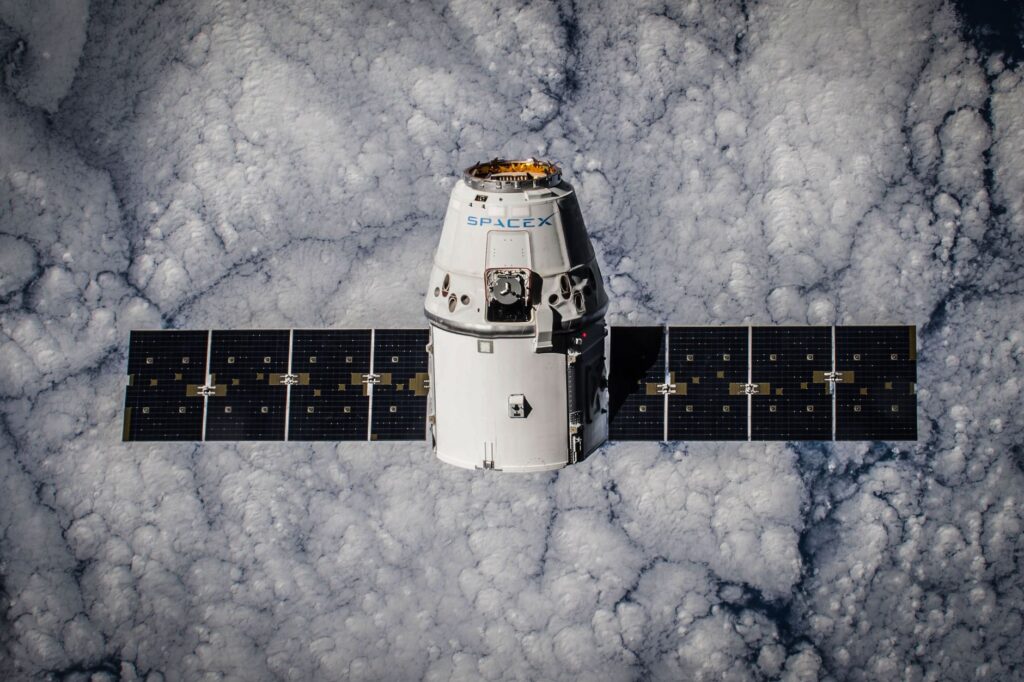
The Meteosat Third Generation Imager‑2 (MTG‑I2) has been mated to an Ariane 6 rocket and will lift off from Kourou on 27 August, bringing high‑resolution weather data to Europe and North Africa.

University of Utah researchers discovered a 150‑foot‑thick ice body beneath Mount Timpanogos that could fill 600 Olympic‑size swimming pools, reshaping water‑supply estimates and hazard assessments.