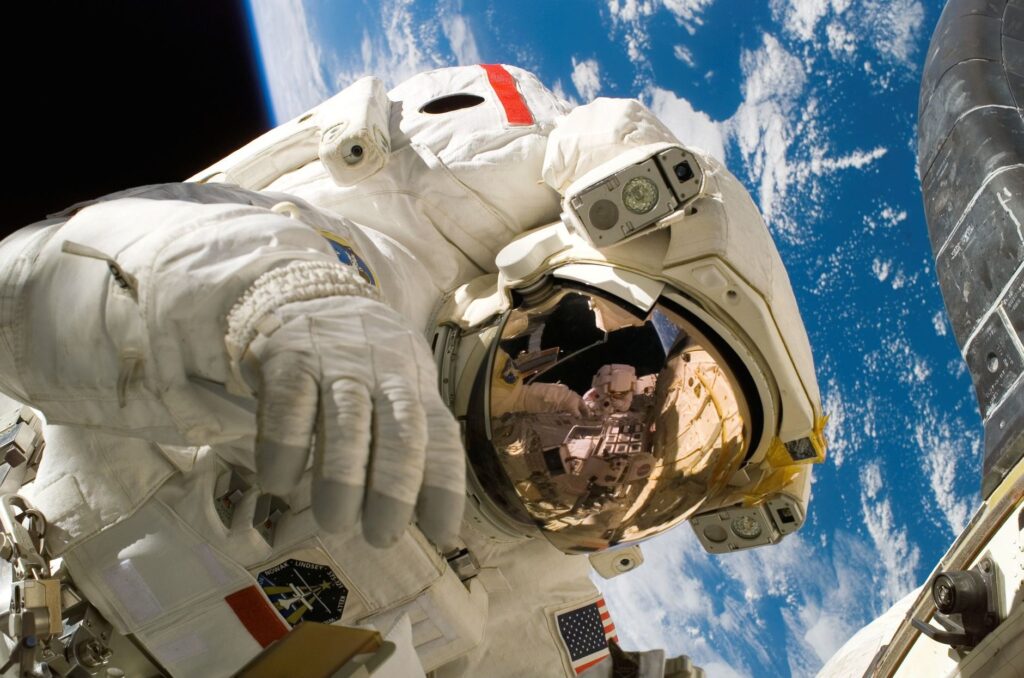
NASA astronaut Jessica Meir and ESA astronaut Sophie Adenot completed a six‑hour‑plus EVA, swapping a docking retroreflector and a high‑definition camera while handling a suit mobility issue.
Posts published in “Science”
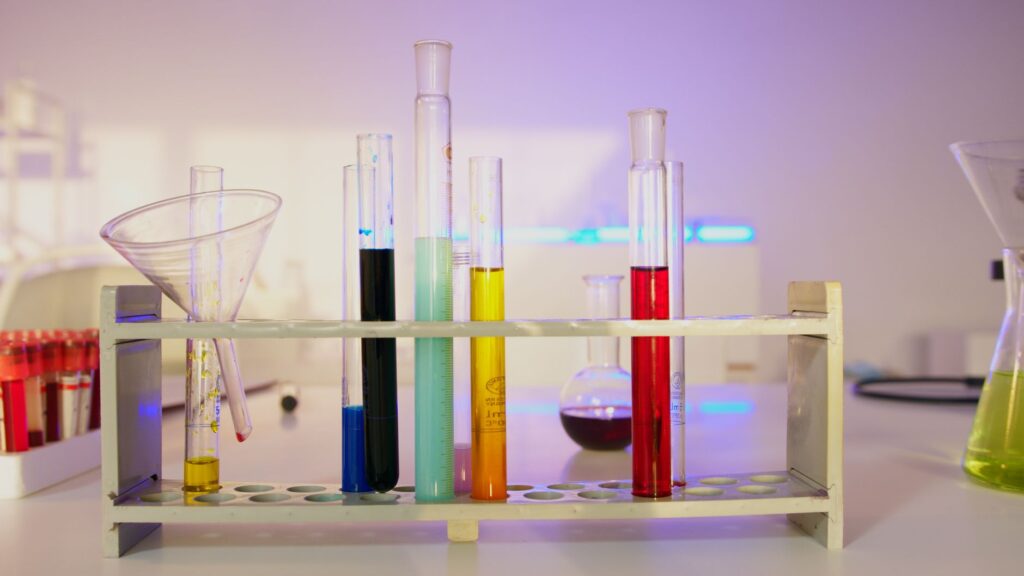
Scientists at the Sanford Underground Research Facility recorded a single, unexplained particle interaction deep underground, a result that could represent the first hint of dark matter.
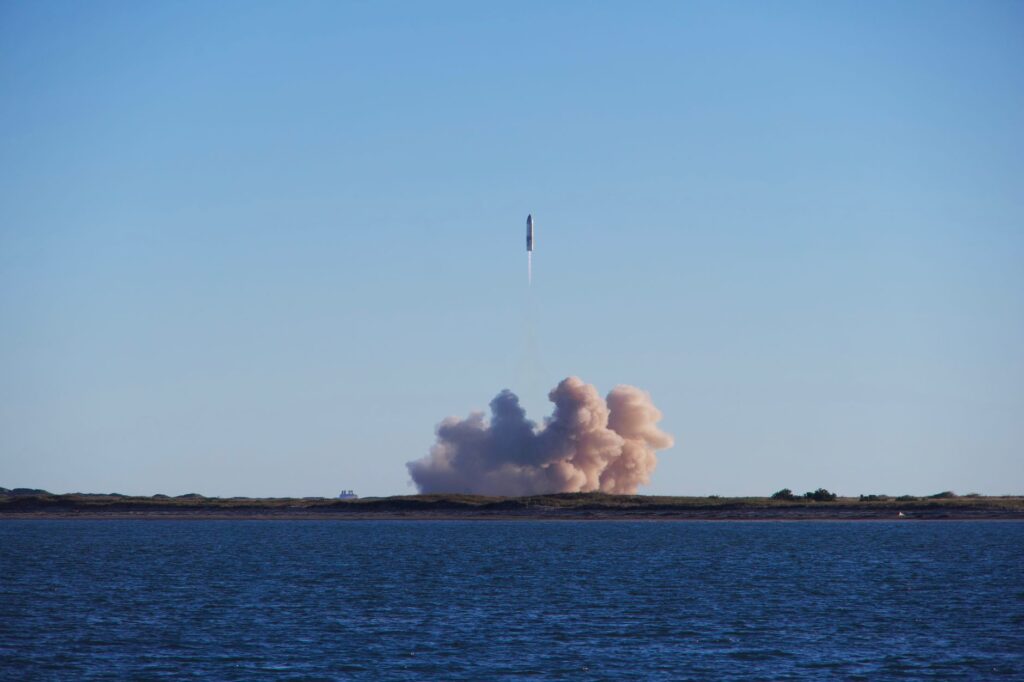
NASA’s next‑generation Nancy Grace Roman telescope lifted off from Florida, promising panoramic surveys that could uncover up to 100,000 new exoplanets and deepen our understanding of dark energy.
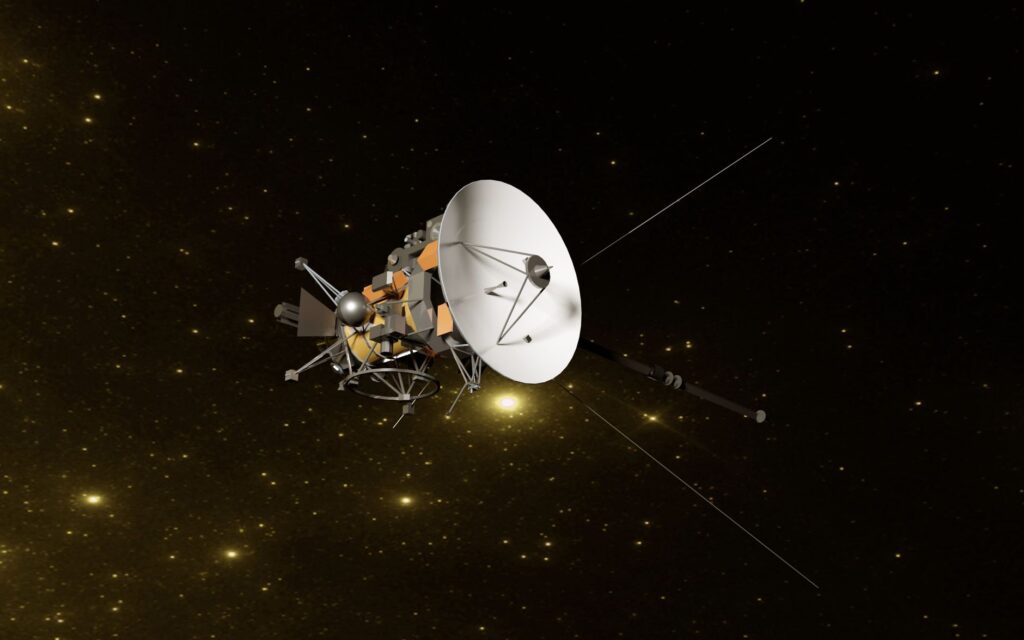
The Fermi Explorer Mission, a nonprofit, plans to launch a small probe toward Alpha Centauri by 2029, targeting an 80,000‑year journey to spark new interest in interstellar travel.
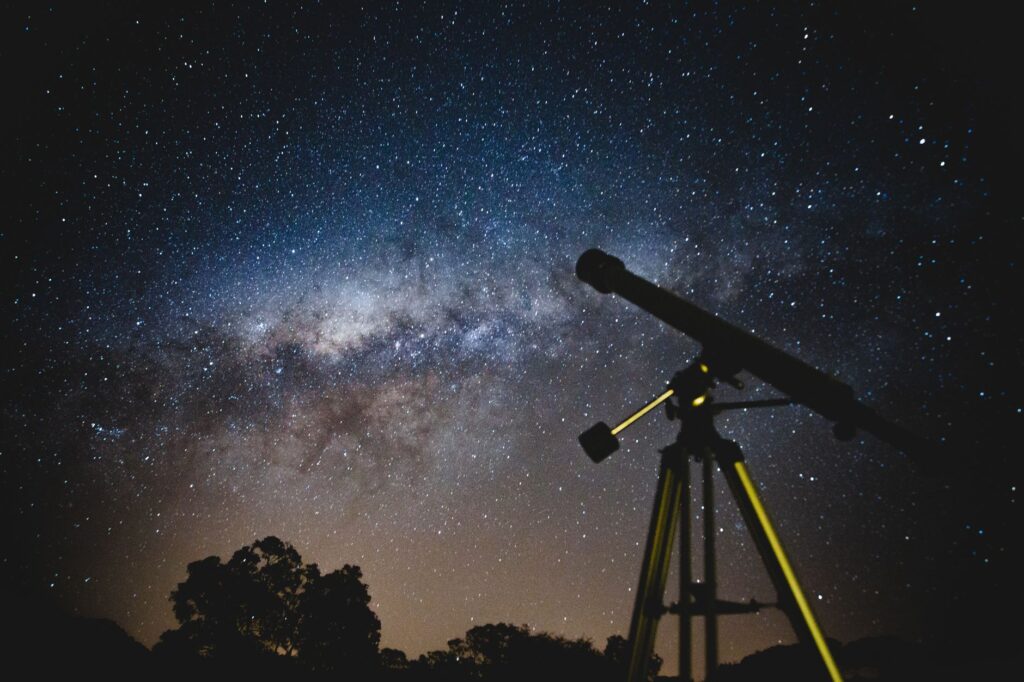
A day‑by‑day rundown of September’s best celestial sights, from Andromeda and Venus to a blinking nebula and striking lunar events.
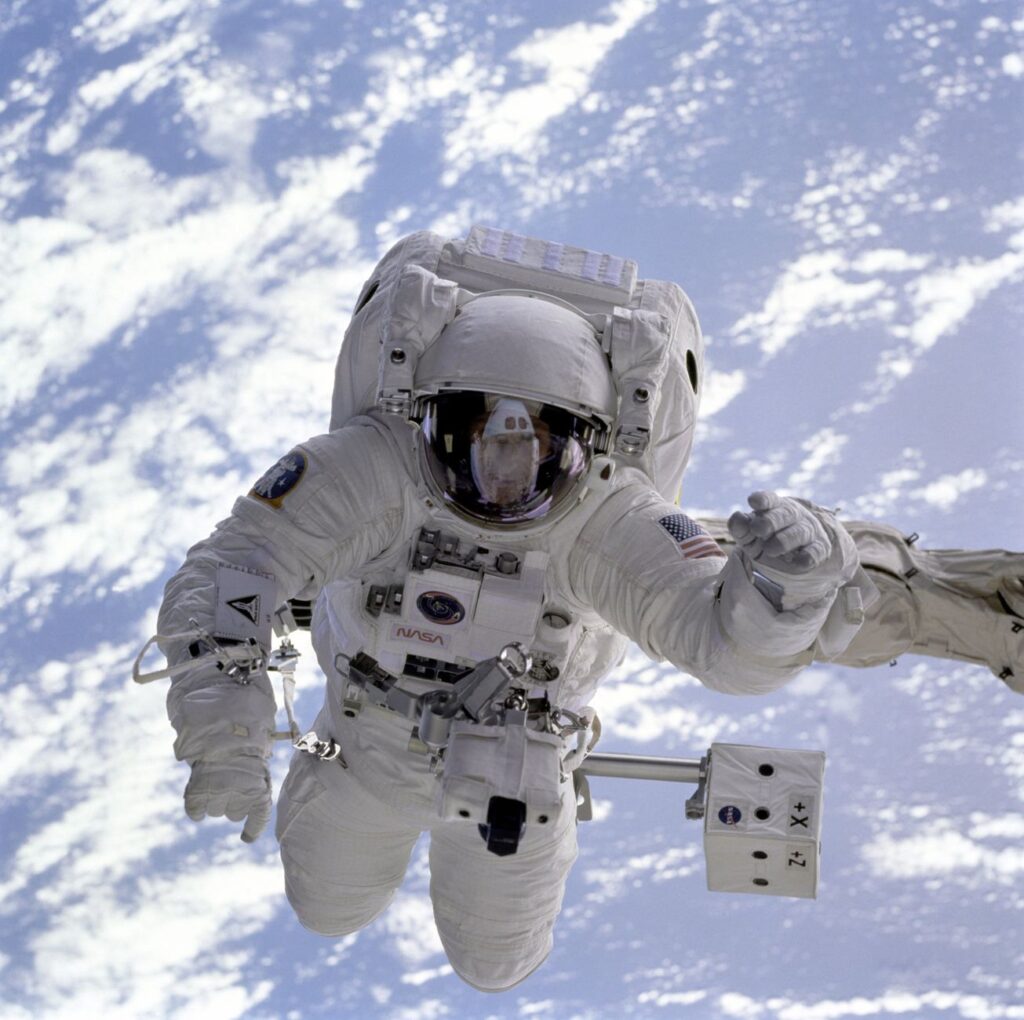
NASA astronaut Jessica Meir and ESA's Sophie Adenot will perform the sixth all‑female spacewalk from the ISS on Sept. 1, replacing a navigation retroreflector and conducting several maintenance tasks.
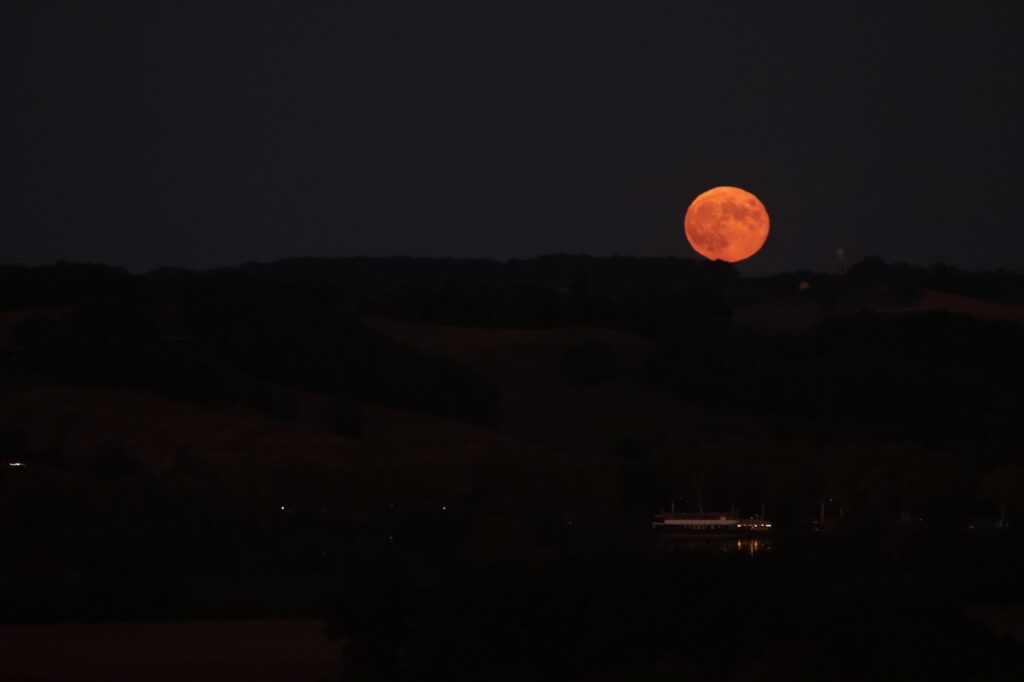
The September 2026 full moon peaks at 12:49 p.m. EDT on the 26th, offering a classic Harvest Moon view, cultural celebrations and nearby planets for stargazers.
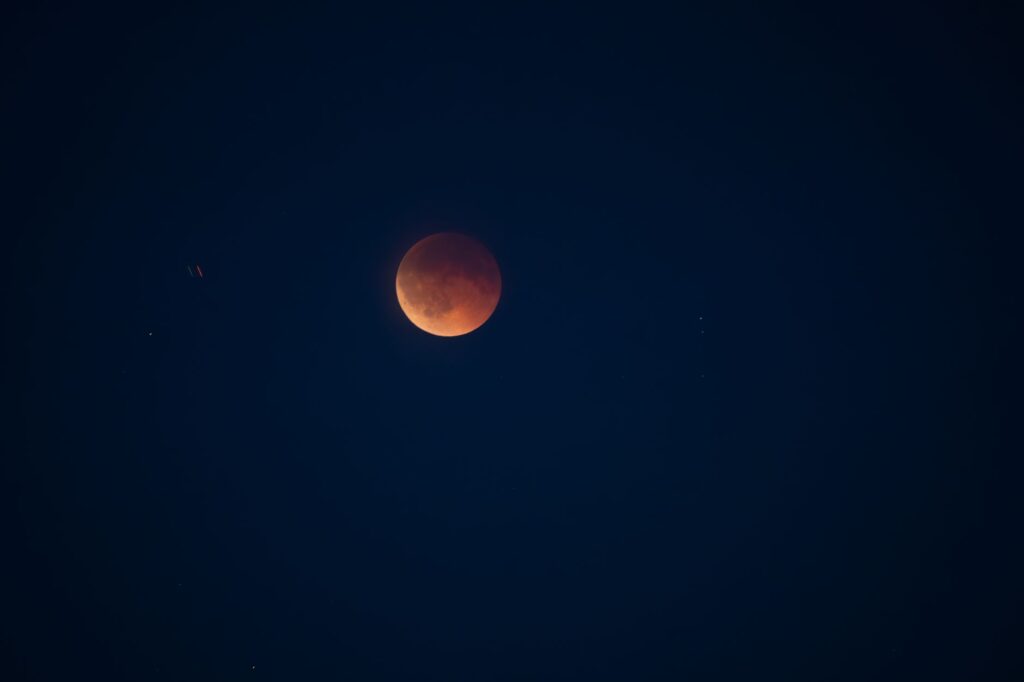
A near‑total lunar eclipse will darken the Moon for most of North and South America on Thursday, with peak coverage of 96.2% at 12:12 a.m. ET.
NASA has reactivated two of Swift's three science instruments after a months‑long low‑drag mode, even as the planned orbital boost by the LINK spacecraft was abandoned.
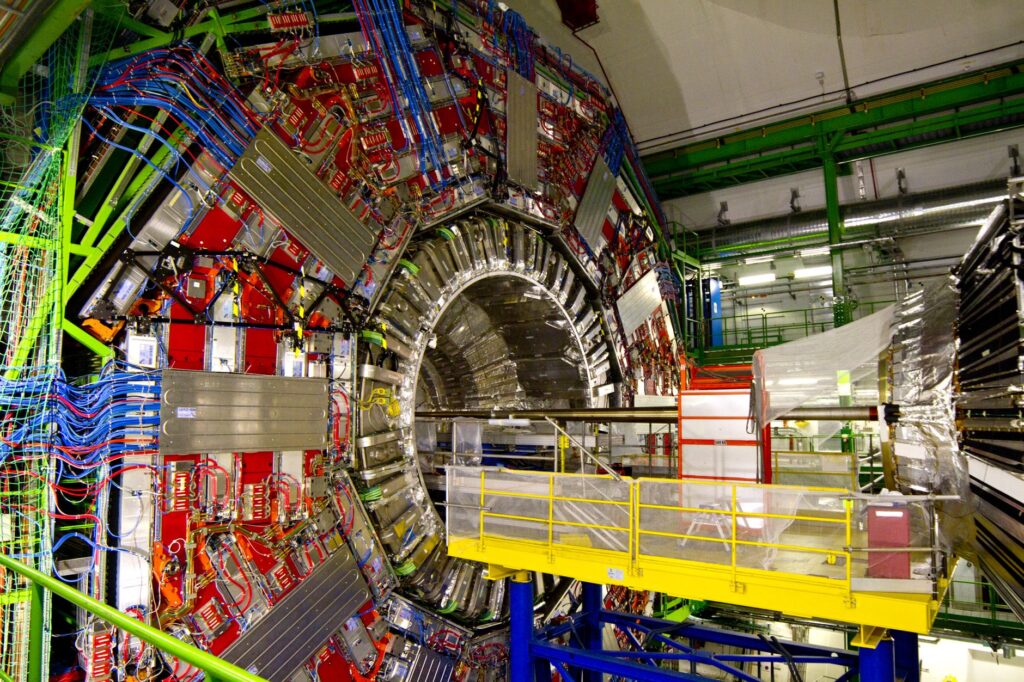
CERN researchers have produced quark‑gluon plasma using collisions of light oxygen‑16 and neon‑20 nuclei, demonstrating that the primordial state can be created in much smaller “little big bangs.”